Glyndŵr National Park

This would be the first new National Park to be established in Wales since 1957

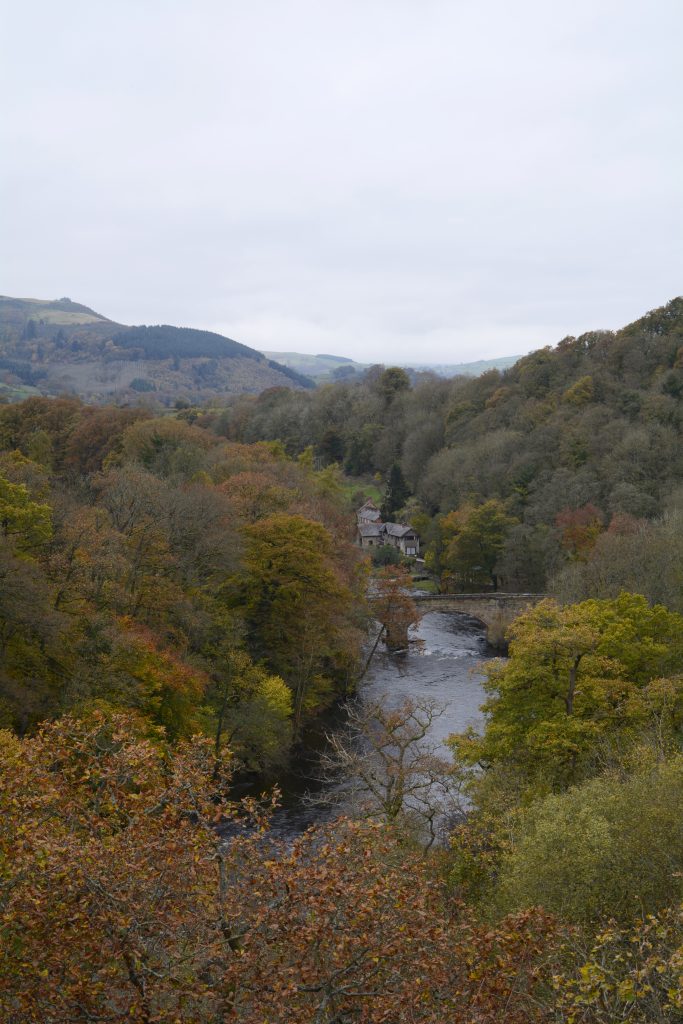
Progress is underway to create a new National Park in north east Wales – Glyndŵr National Park. The creation of a new National Park in North East Wales provides an important and timely opportunity to build on all that is best about the existing Designated Landscapes in Wales. The first to be designated in Wales for over 60 years, this new National Park should be an exemplar for nature, climate and people, maximising on the benefits of designation whilst also applying best practice from other National Parks across England, Scotland and Wales.

Our work on New National Parks

Fives reasons why the area is important

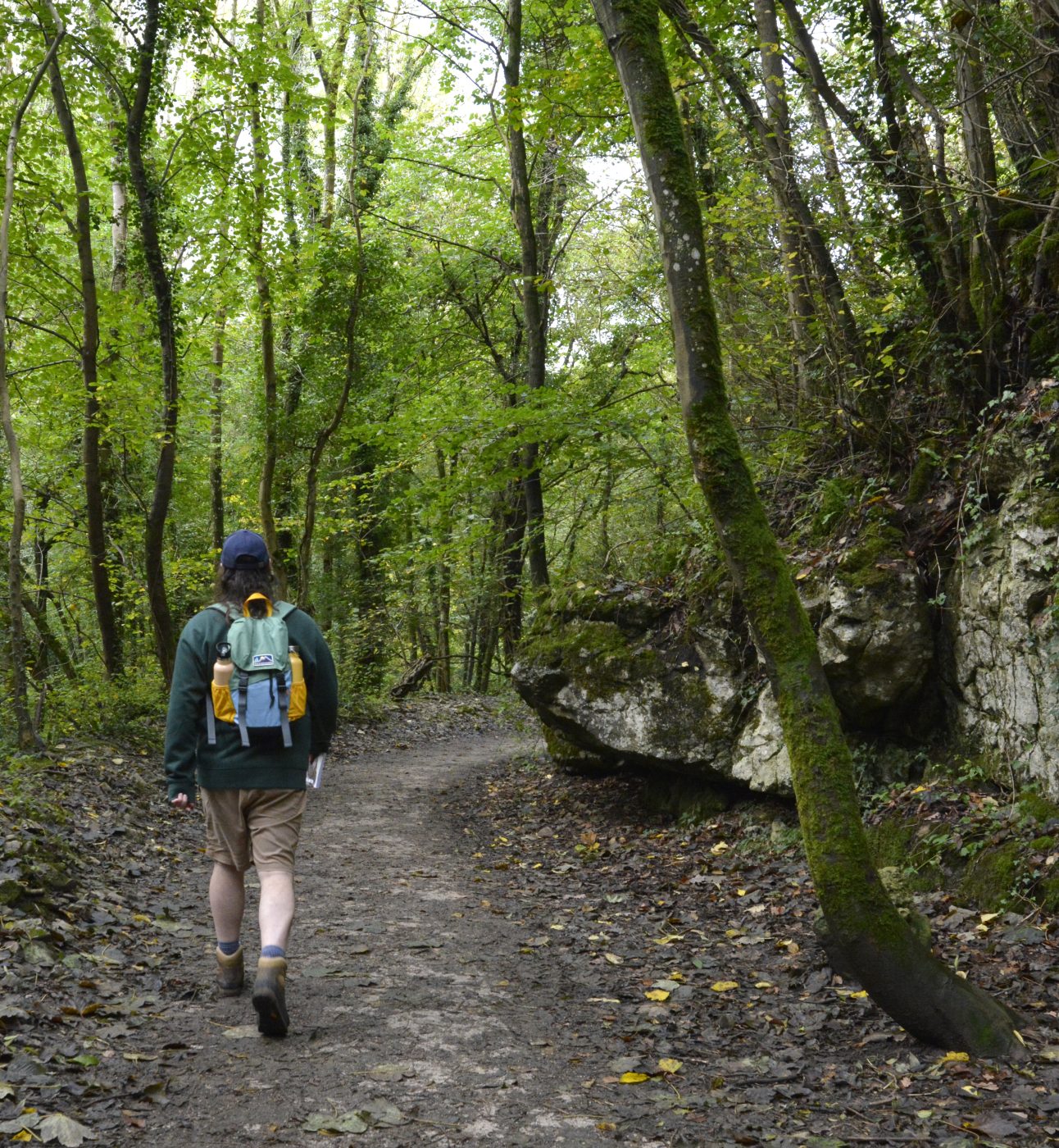
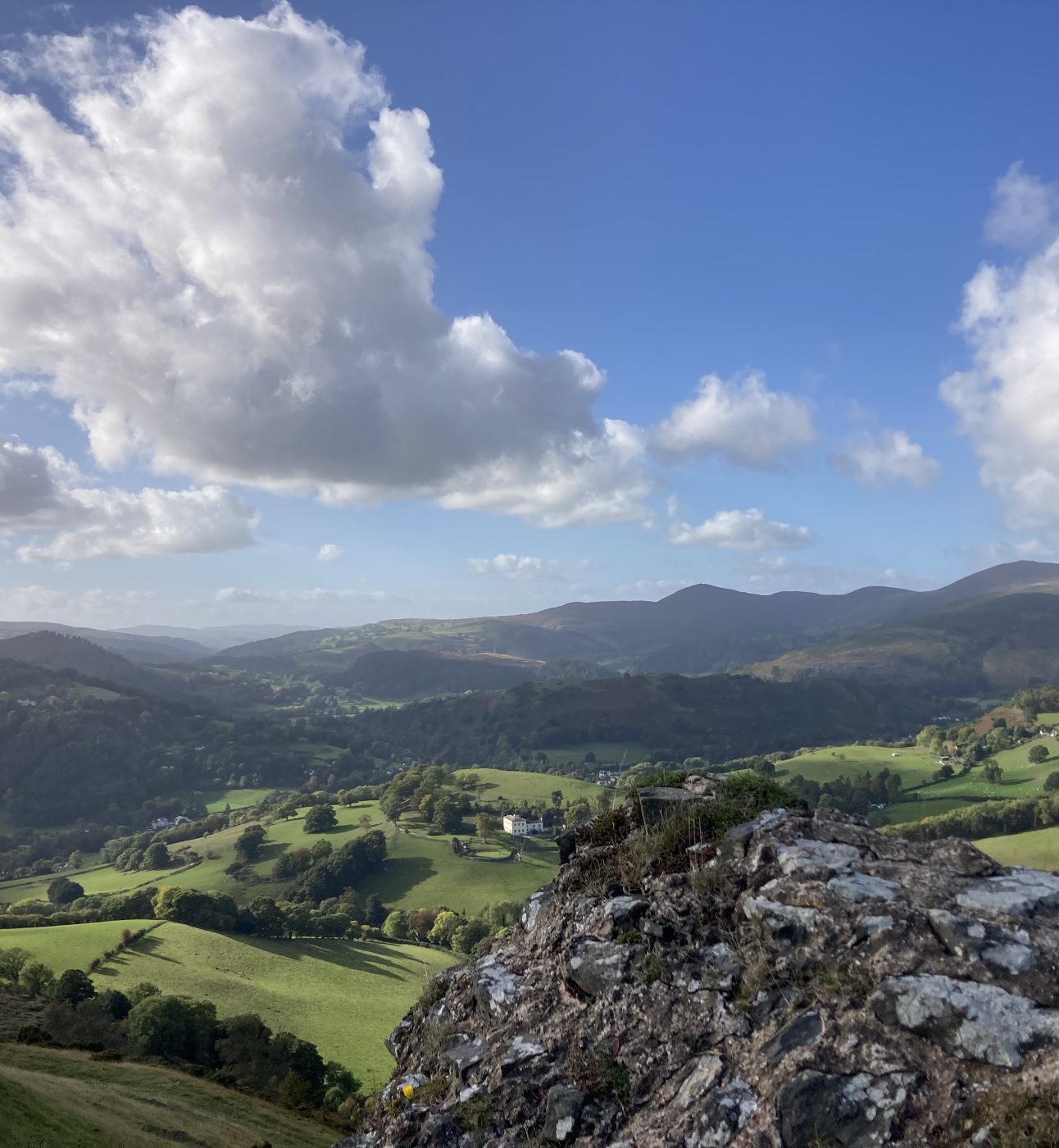
North East Wales is full of stunning landscapes, communities, species and heritage all worthy of inclusion in the new National Park. The special qualities and history are clear to see if you’re lucky enough to spend some time exploring the area, and whether it’s in the north on Gronant Dunes or the Berwyn Range in the south, there’s plenty to treasure and protect for future generations.

We’ve highlighted just a few of the sites that make the new National Park a unique and exciting place to visit:

1. Ceiriog Valley

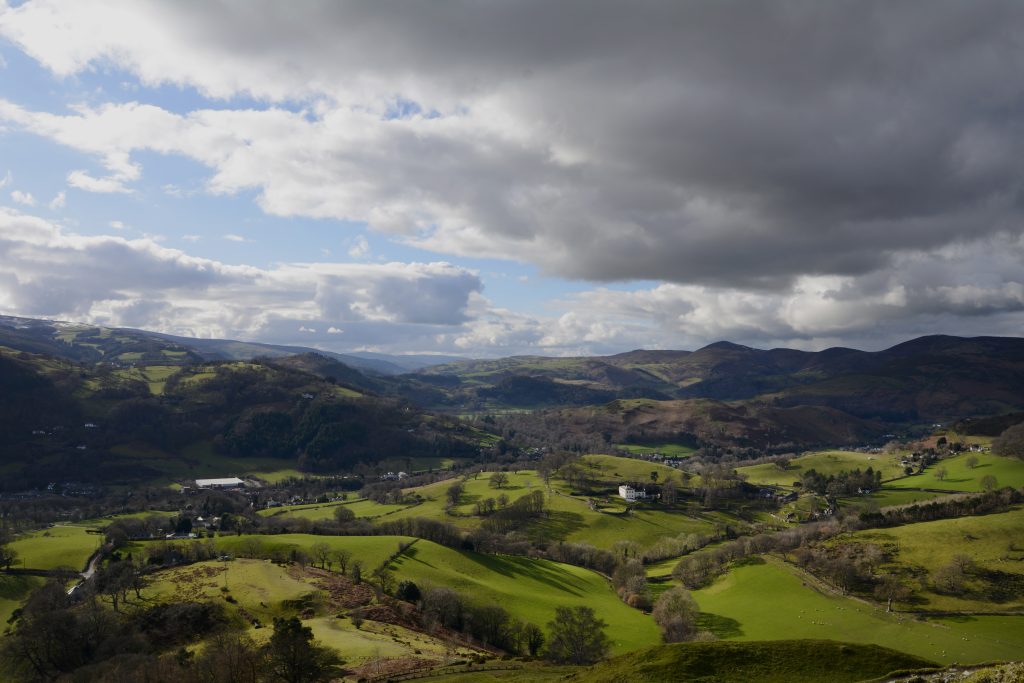
South of the Vale of Llangollen and 20km in length, the Ceiriog Valley was once described by the British Prime Minister David Lloyd George as “a little bit of heaven on earth” and we’re inclined to agree. Quiet villages populate the valley through which the River Ceiriog flows. Narrow drovers’ roads are in abundance alongside ancient hedgerows and traditional farmland.

2. Gronant Dunes

A designated site of Special Scientific Interest (SSSI) Gronant sits to the west of the River Dee estuary on the northern Welsh Coast. The area contains Wales’ only breeding colony of little turns as well as a whole host of species from natterjack toads, sand lizards, sea holly, marram grass and rare dune grasses. A popular spot for birders and sun-bathers alike, the dunes run along the golden sands of Gronant Beach stretching towards Prestatyn Beach to the west and Talacre Beach with the iconic Point of Ayr Lighthouse to the east.

3. Berwyn Range

A wild, rugged and distinct landscape covered largely in heather and bracken, the Berwyn Range is home to iconic raptors such as the hen harrier, merlin and peregrine. Much of the landscape is designated as a Special Protection Area due to the importance it has for birds. A series of summits peak at 832m on Cadair Berwyn which can feel as wild and untamed as anywhere in neighbouring Eryri National Park.

4. Sycharth, Llansilin

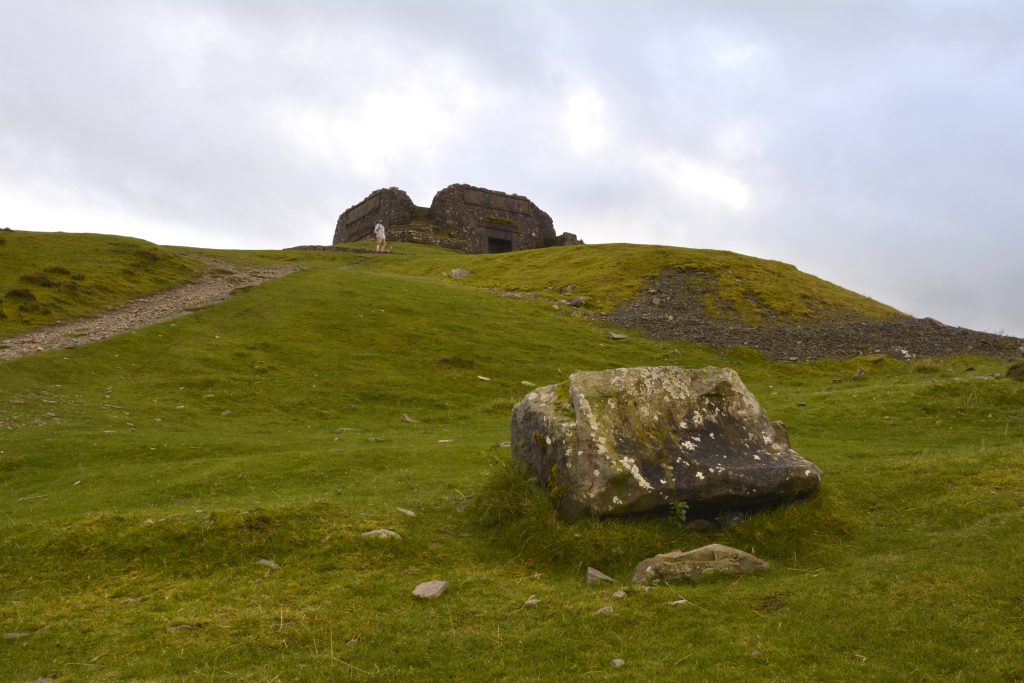
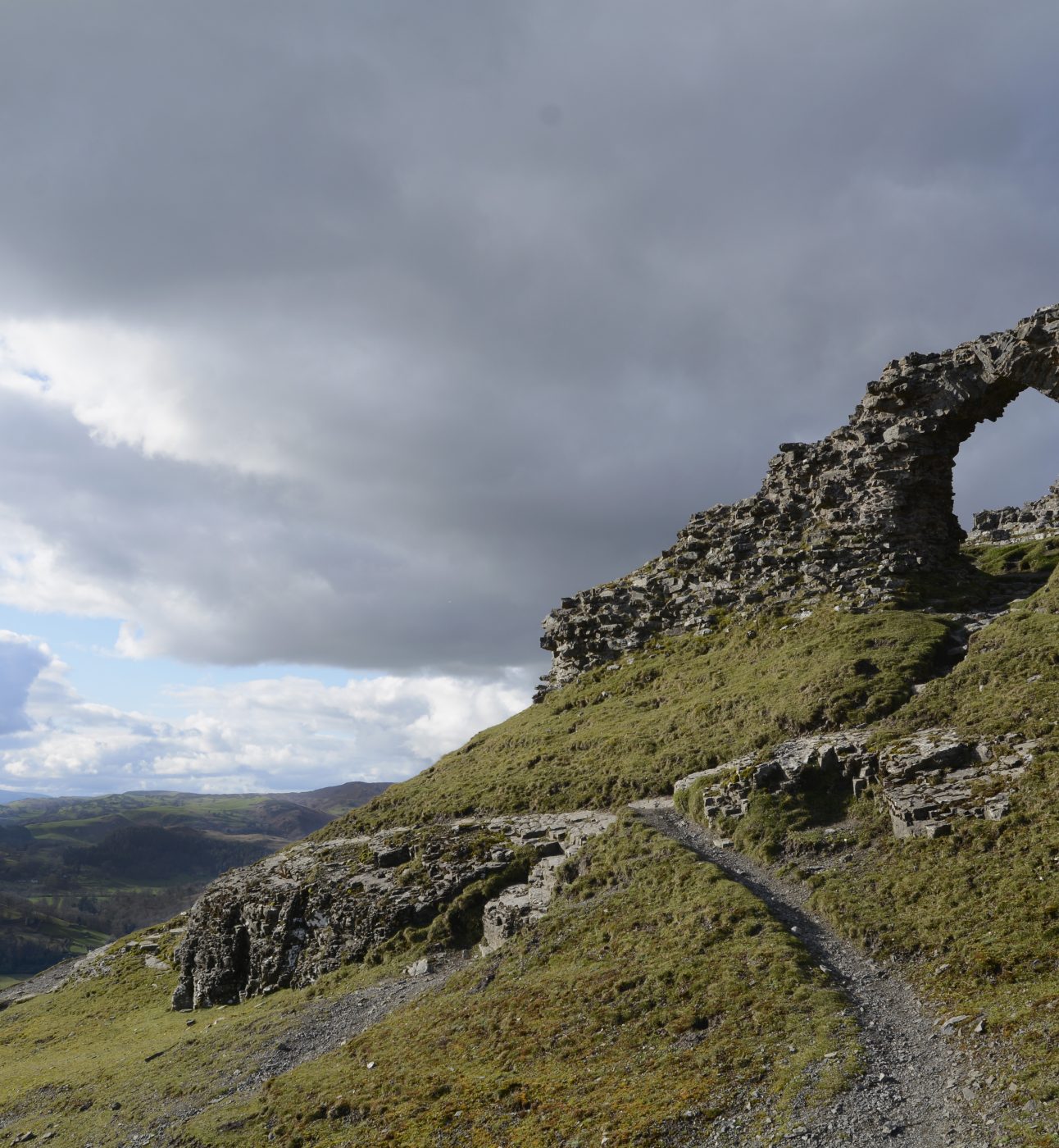
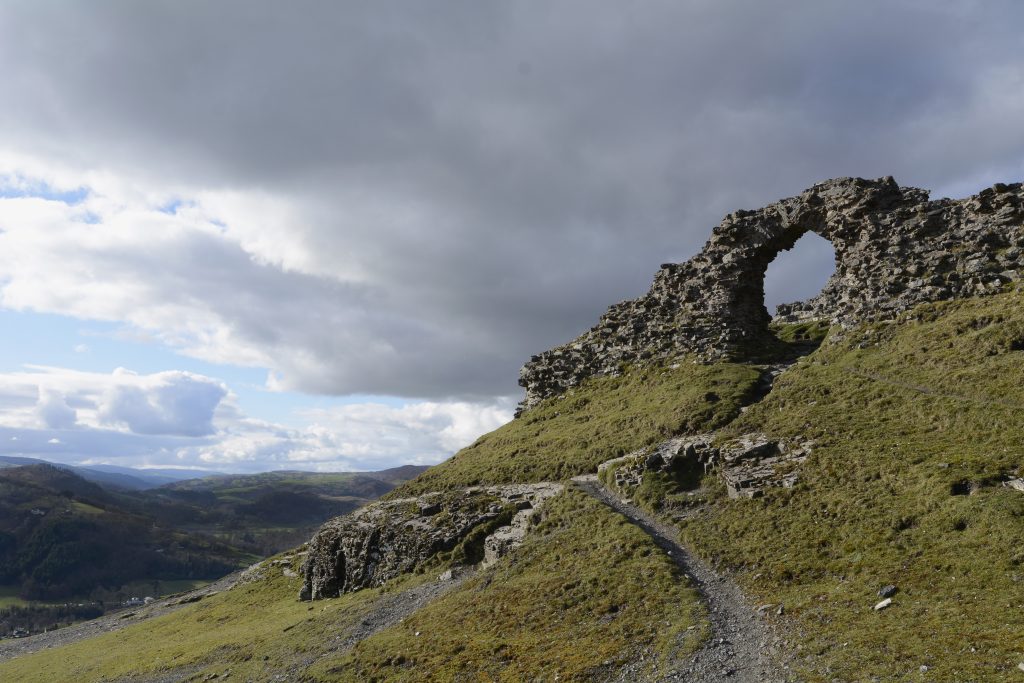
North East Wales is packed with history and stories of invasion and rebellion. Sycharth near Llansilin on the border with England is known as the birthplace of Owain Glyndwr (Prince of Wales) in 1354. Owain Glyndŵr led a 15-year rebellion against English rule in the Medieval period and the earthwork remains of this motte and bailey castle is just one great way to take a step back in history in the area.

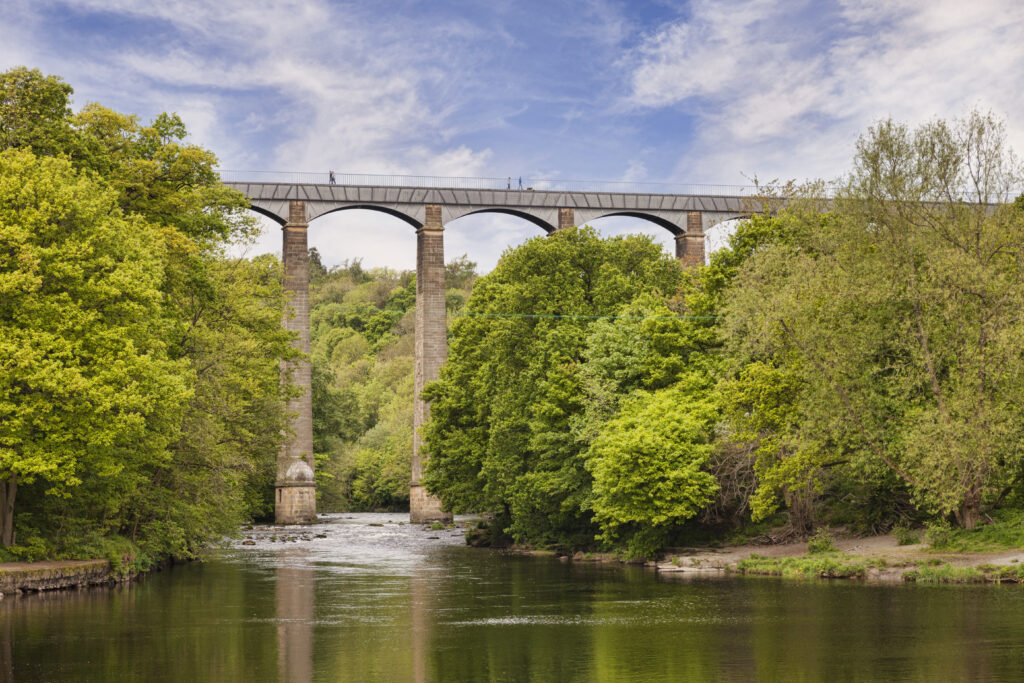
5. Pontcysyllte Aqueduct

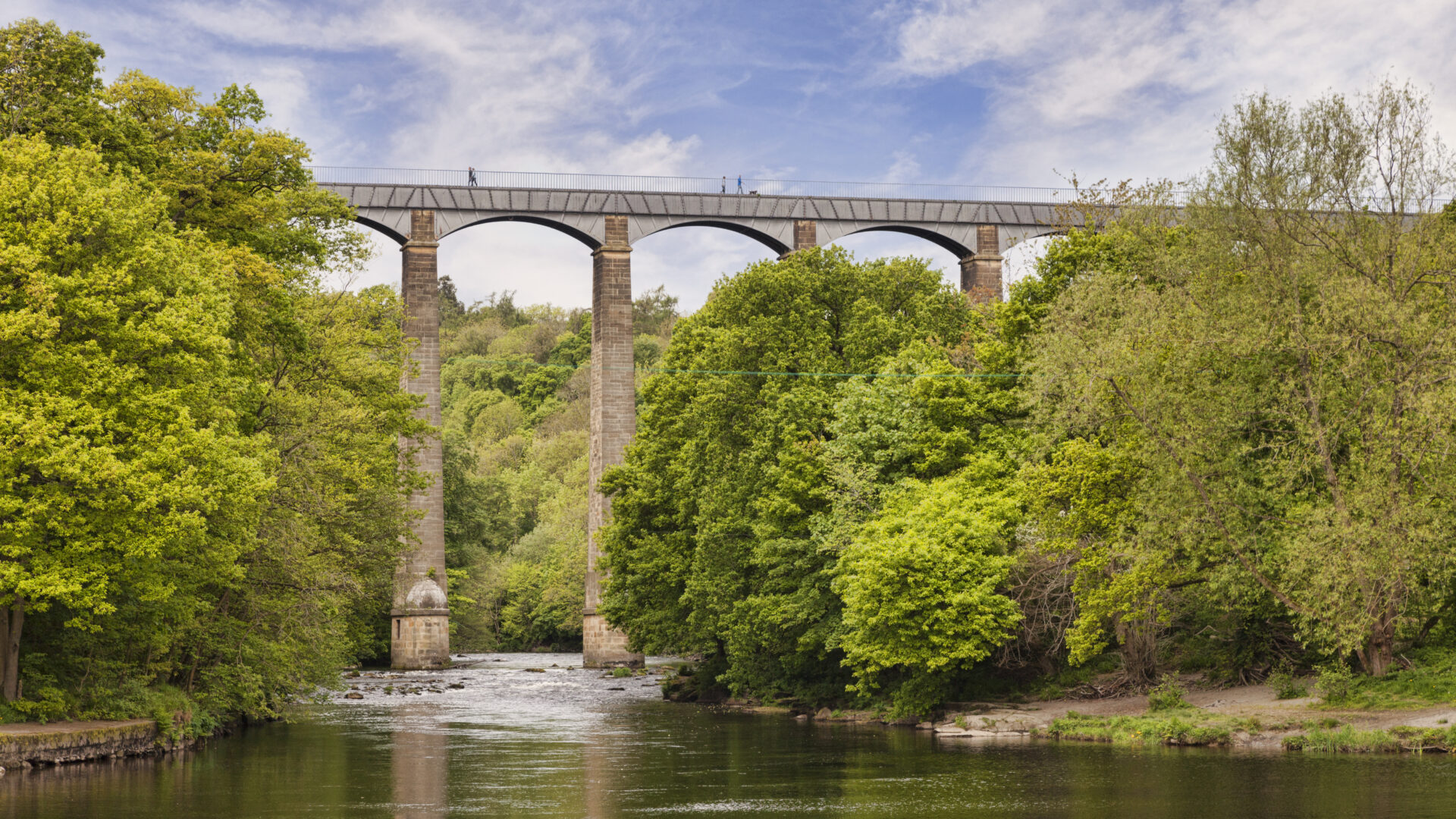
Situated in the existing Clwydian Range and Dee Valley National Landscape the impressive Pontcysyllte aqueduct is a truly unique experience for those taking to the water. Built in 1805 it is the longest aqueduct in Britain and the highest in the world at 38m. Stunning views are afforded across the valley whether you’re cruising or taking in the towpath by foot. The Grade 1 listed structure is a UNESCO world heritage site and a hugely popular destination for those visiting the area.

The value of a new National Park in Wales

The creation of a new National Park in North East Wales provides an important and timely opportunity to build on all that is best about the existing Designated Landscapes in Wales. Read our report full of valuable background reading and research on a range of key topics which those with an interest in the new proposals may want to understand in more detail.
Read the report

FAQs about the Glyndŵr National Park

We've put together some answers to any questions you may have on the new National Park in North East Wales.
Welsh Government set out its intention to designate a new National Park in North East Wales based on the existing Clwydian Range and Dee Valley National Landscape. Research is currently underway to identify exactly what area is suitable for designation. The proposed boundary will be included in a public consultation in Autumn 2024 and the final decision will be for Welsh Government.
Natural Resources Wales (NRW) is the Welsh Government’s statutory adviser on landscape and the body responsible for designating any new National Parks in Wales. Any area being considered for designation as a National Park is assessed in detail and must pass certain tests set out in legislation. These include assessments of natural beauty and opportunities for open-air recreation. NRW have agreed the maximum geographical extent for the potential National Park and are undertaking the relevant assessments which will inform the proposed boundary.
The role of a National Park Authority (NPA) in the UK is to manage, protect, and enhance the natural beauty, wildlife, and cultural heritage of the National Park as well as supporting opportunities for people to enjoy and understand these special places. National Park Authority boards include a mix of both locally and nationally appointed members who use their expertise and experience to ensure that the park is managed effectively. These boards are responsible for setting policies, guiding management practices, and ensuring that the parks’ objectives are met.  NPAs are also the local planning authority for their area.
The simple answer is that it is more complicated than you might initially think. Statistically, house prices in National Parks are higher than surrounding areas, but attractive areas of countryside are typically higher than other areas, so you could expect that areas designated for their natural beauty would be statistically higher and follow the national trend. Parallels can be made with typical house prices in other areas of coast or countryside that are highly sought after for their location and natural beauty. A short study on house prices inside National Parks concluded that designating a national park “may have a small influence on house prices initially but does not necessarily cause any significant increases in house prices over the longer term.”
Some beauty spots within the current area of search (such as Moel Famau) already experience high levels of parking and traffic. Designating the area as a National Park will provide new opportunities and resources to manage these impacts and encourage increased use of alternatives to the car. Visitor management strategies have been successfully implemented in Eryri National Park around Yr Wyddfa and with a dedicated National Park Authority able to work in partnership with local communities and stakeholders, actions can be taken to ensure that everyone is able to enjoy these places without any detrimental impact on nature or local communities.   
While there are some variations in the planning policies which apply to National Parks, these are generally aimed at preventing inappropriate major developments which would damage these areas. Additional permissions may be required for changes to existing properties, but this will not necessarily mean they won’t be allowed. NPAs in Wales approved 85% of the planning applications they received in 2017 (the most recent year for which data is available).
The core funding for existing Welsh National Parks comes from Welsh Government. A core grant is provided on a yearly basis which triggers a levy from Local Authorities within the boundary of the Park for a third of the value of the WG grant. This levy is covered by Welsh Government through hypothecated (ring-fenced) funding which is given to Local Authorities to pass on to the National Park Authorities (NPAs). Welsh Government also provides additional grants for capital projects and shared officers which boosts the revenue of the National Park Authority and can be targeted towards specific projects or programmes.
Investing in National Parks provides a healthy return on investment, bringing net economic benefits through employment, tourism and savings on public health and wellbeing. The Valuing Wales’ National Parks report showed that Welsh National Parks receive “12 million visitors each year spending an estimated £1bn on goods and services.” NPAs recruit and coordinate over 15,000 hours of volunteering activity each year wit a value in the region of £175,000. The National Parks also sequester carbon through their peat and woodland, the value of which is estimated to be between £24.4m and £97.2m. NPAs have received £10.48m in core grant funding for 2024/2025 which represents just over £3 per person in Wales.  
National Landscapes and National Parks are both important types of protected landscapes, but they differ in how they are managed as well as the level of resources they receive. National Parks have their own dedicated National Park Authority, whilst National Landscapes are managed by partnerships of local authorities and stakeholders. National Parks typically have more resources and staff to manage conservation, recreation and education, and although both are funded by central government, with more resources and staff this new National Park will be able to achieve more for the benefit of the area.
The proposed area is already a popular area for visitors from across Wales and England to visit. Designation as a National Park will not necessarily attract lots more people but it should ensure more resources can be provided than are currently available.
Investing in National Parks provides a healthy return on investment, bringing net economic benefits through employment, tourism and savings on public health and wellbeing. Visitors contribute substantially to the local economy through spending on accommodation, food, activities, and transportation. Estimates suggest that tourism in Welsh National Parks generates over £500 million annually.
The benefit of establishing a National Park Authority is that there will be additional funding and resources available (more than is currently available in the National Landscape and surrounding areas) to coordinate strategies and partnerships which will tackle some of the challenges already present in many rural areas and communities. Many of these issues are already in evidence in hotspot areas and popular destinations.
Local authorities have an important part to play in the delivery of the National Park’s objectives and will be represented on its Board.
There are multiple benefits for farmers living and working in National Parks. For example, farmers in National Parks may have access to specific grants and funding (such as Farming in Protected Landscapes in England) which promote sustainable farming practices. Other agri-environment incentives for farmers in Designated landscapes may also be established through the Sustainable Farming Scheme which is currently being developed by Welsh Government. With a greater focus on tourism and wider promotion of the area, there will be other opportunities to sell products direct to tourists or via local businesses catering for visiting tourists. The association with the National Park could also enhance the branding of farm products and allow farmers to market their goods at a higher price. Collaborative projects are also more likely to occur in National Parks with conservations projects with the National Park Authority and other environmental groups encouraged. Farmers may be able to increasingly diversify to meet the needs of the National Park, and there will also be lots of opportunities to preserve and protect traditional practices.