A QUICK HISTORY LESSON
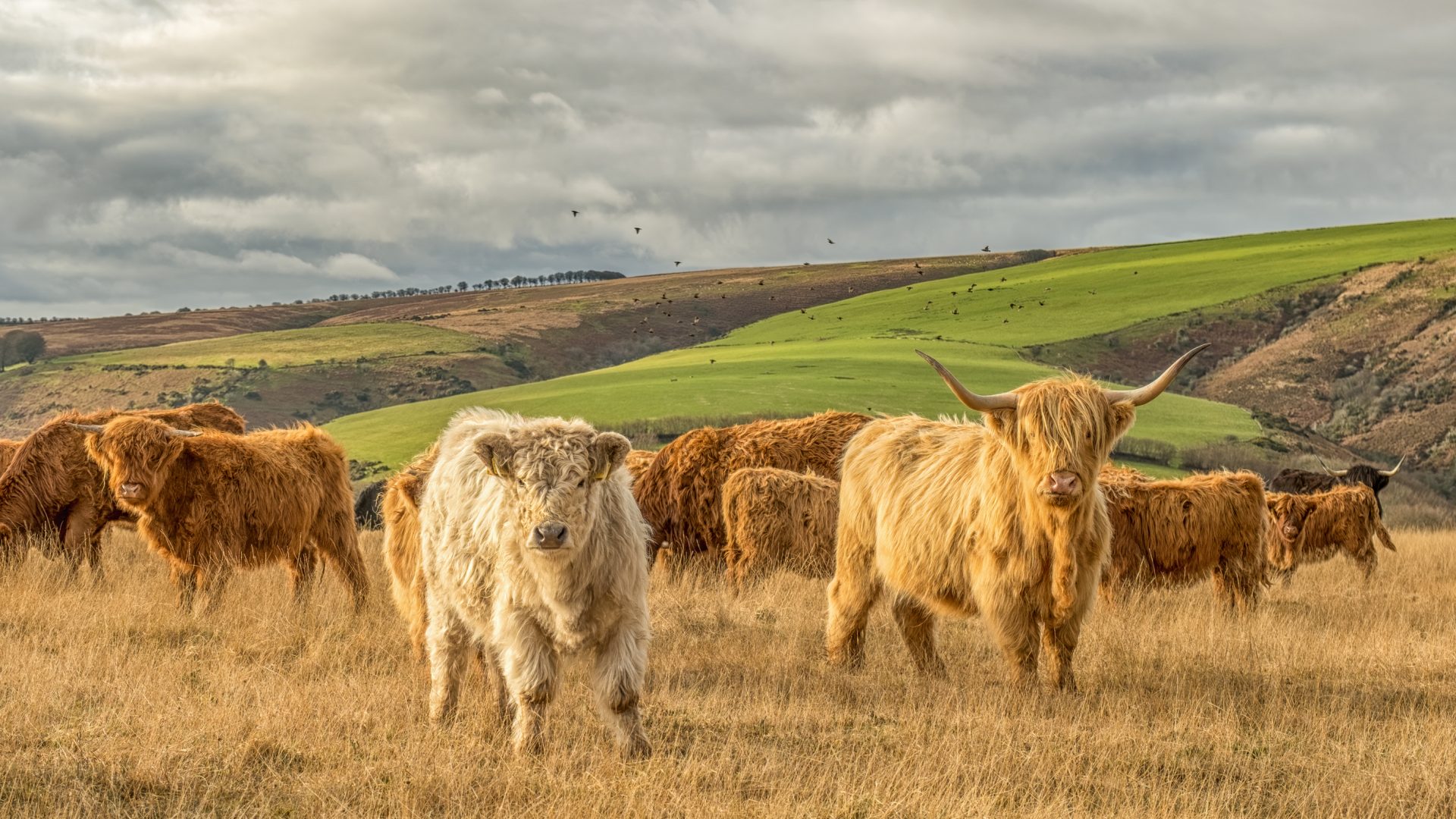
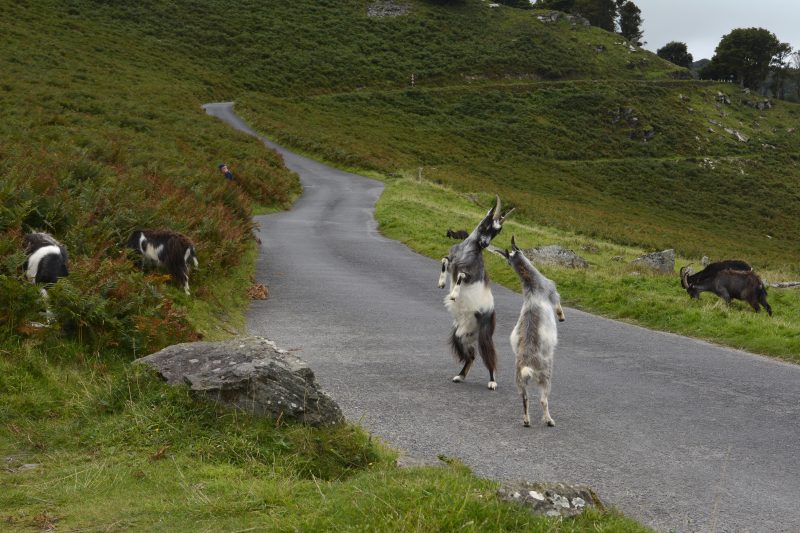
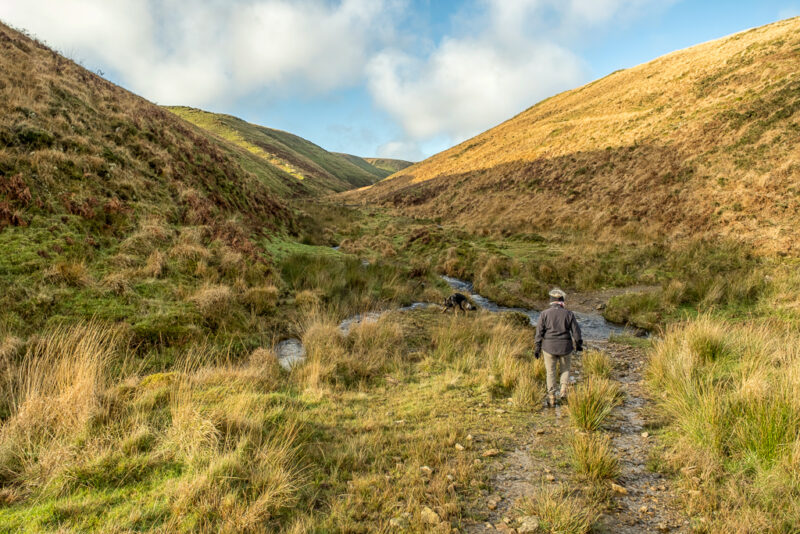
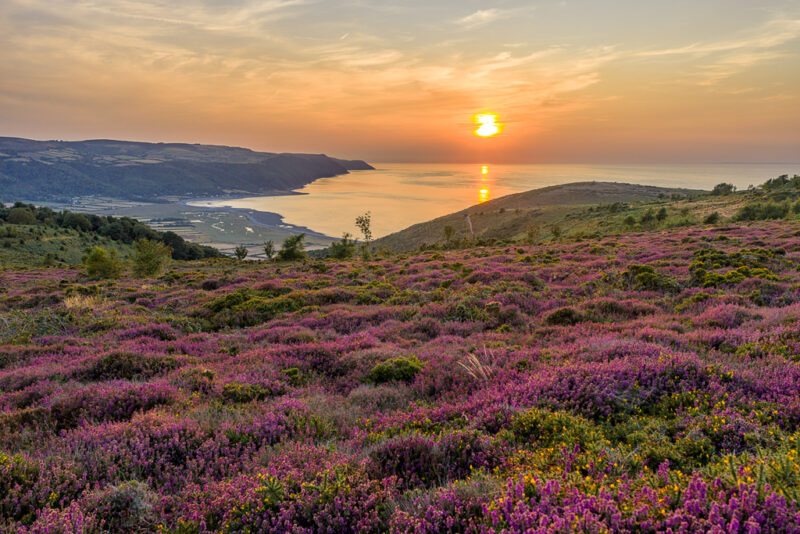
During the Second World War, thanks to pressures towards farming expansion created by food supply issues, huge acreages of moorland were ploughed and planted with crops. By 1954, when the area was designated a National Park, only 40% of true moorland remained intact. It was the chief concern of the newly formed authority that they retain as much of that as possible and they have been largely successful in preventing loss on a great scale. A change in farming subsidies that put the emphasis on the amount of land owned and not its produce could threaten even more of the original moorland habitat, but there’s a careful balance to be struck. Grazing animals are an essential part of the moorland ecosystem, so curbing all farming isn’t the answer. Exmoor has been lived on and worked by people in many ways for many centuries, and while the demands on the land change, the principle remains the same – to find a solution that works for everyone and preserves all aspects of the region’s history and culture.