

Putting National Parks at the Heart of Labour’s Mission
As Labour shapes its plans for government, we were at party conference making the case for National Parks, nature and much-needed reforms.
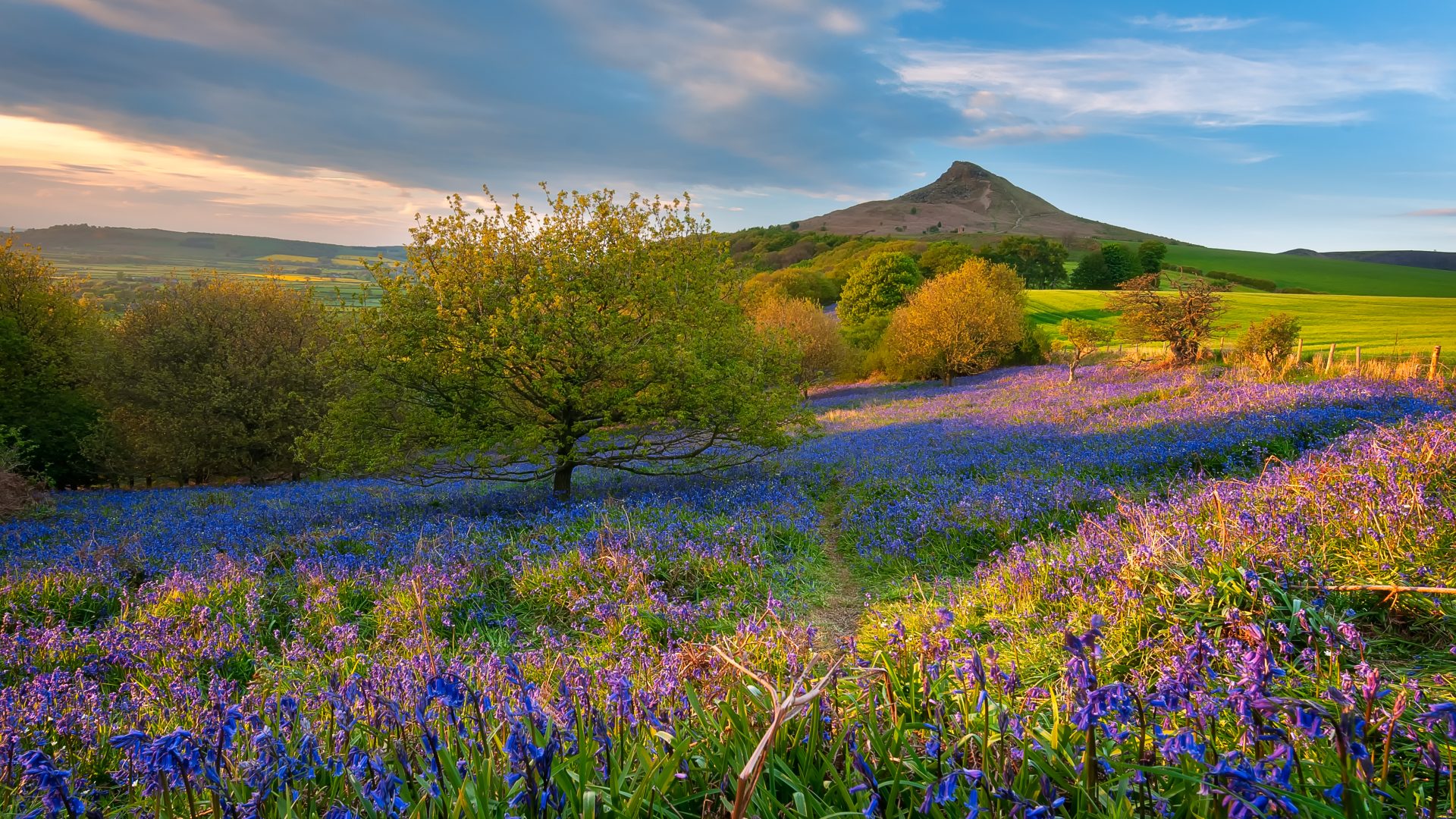
The North York Moors National Park is an area of spectacular sea cliffs, ancient woodland and secluded dales that harbour one of the largest expanses of heather moorland in England.
The North York Moors National Park contains one of the largest expanses of heather moorland in England and Wales at 44,000 hectares. Recognised nationally and internationally as an important habitat for wildlife, the Park provides a haven for many threatened bird species such as the golden plover and the merlin. As well as brooding moorland and dramatic windswept North Sea coastline, the North York Moors has a rich cultural heritage, being an important region for mining and transport during the industrial revolution and remaining an important farming landscape today.
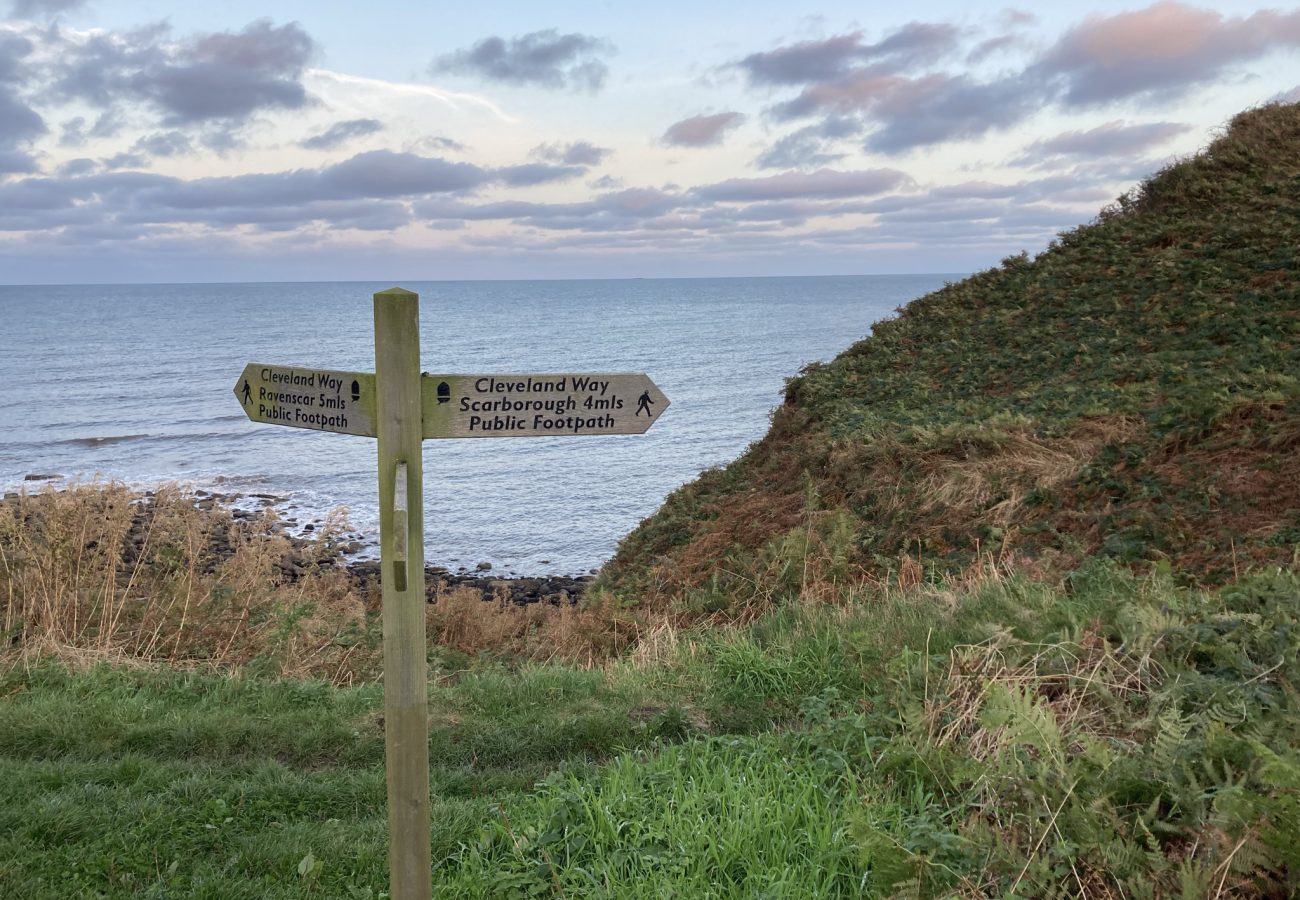
Did you know? Though ancient woodland covers less than 5% of the total area of the Park, the North York Moors is home to one of the largest concentrations of ancient and veteran trees in northern England.
Designation: 28 November 1952
Habitats: Ancient woodland, moorland, coastal cliffs, estuaries, beaches and seashore
Common wildlife: Red grouse, adder, brown hare, ground nesting birds such as the golden plover and meadow pipet
Star spots: Merlin
Notable towns and cultural sights: Roulston Scar Hillfort, North Yorkshire Moors Railway
Notable nature sights: Forge Valley, Dalby forest
Popular activities for visitors: Hiking, stargazing
Highest peak: Urra Moor at 454 meters above sea level
Annual visitor numbers: 8.38 million in 2019
Threats: Increasing pressures from farming, fire, visitor pressure, forestry
As Labour shapes its plans for government, we were at party conference making the case for National Parks, nature and much-needed reforms.
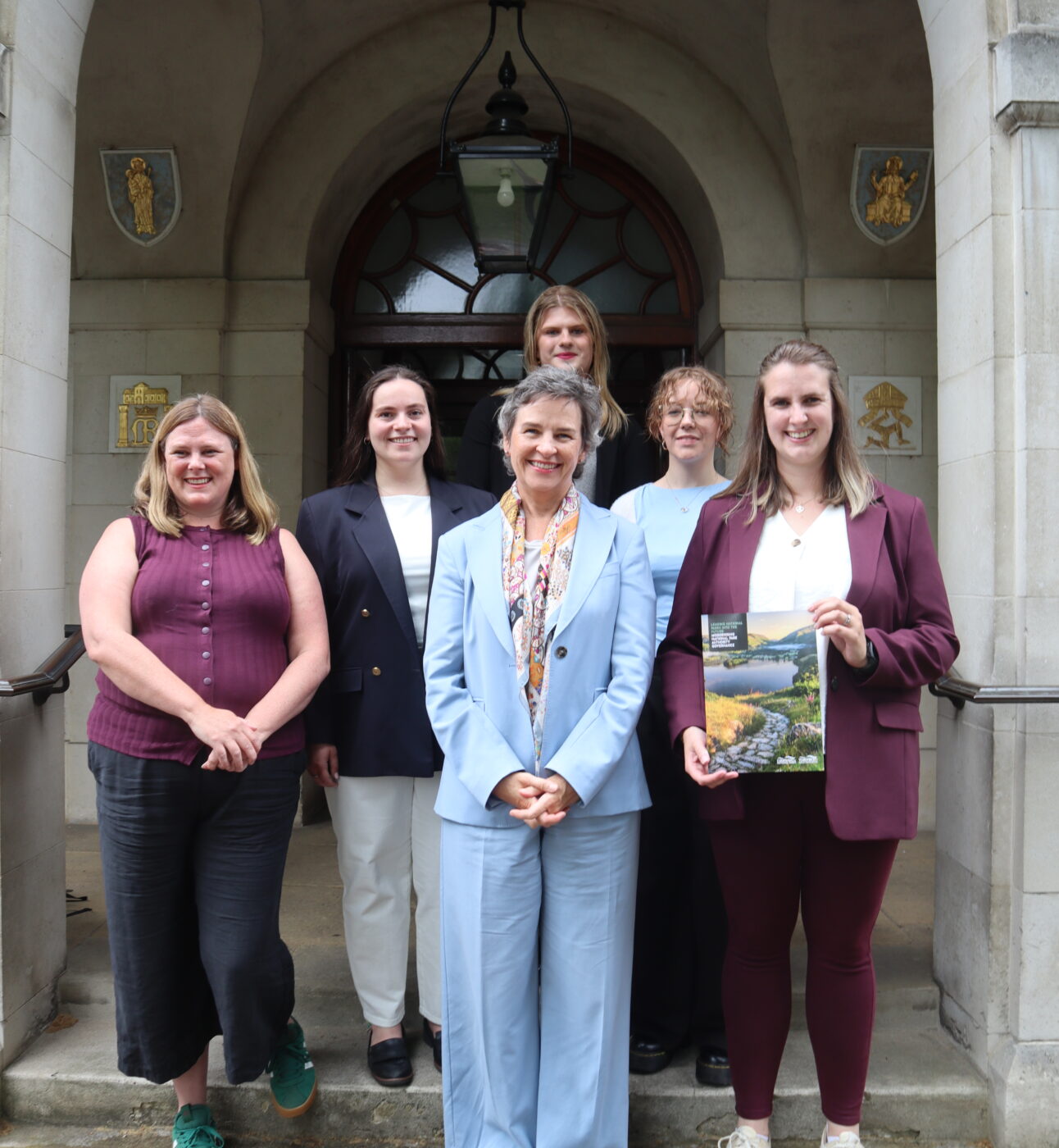
We held an event in Westminster this week to discuss our recent report on National Park Authority governance with Mary Creagh, the Minister for Nature.
We’ve launched our new report ‘Leading National Parks into the Future: Modernising National Park Authority Governance’.