A QUICK HISTORY LESSON
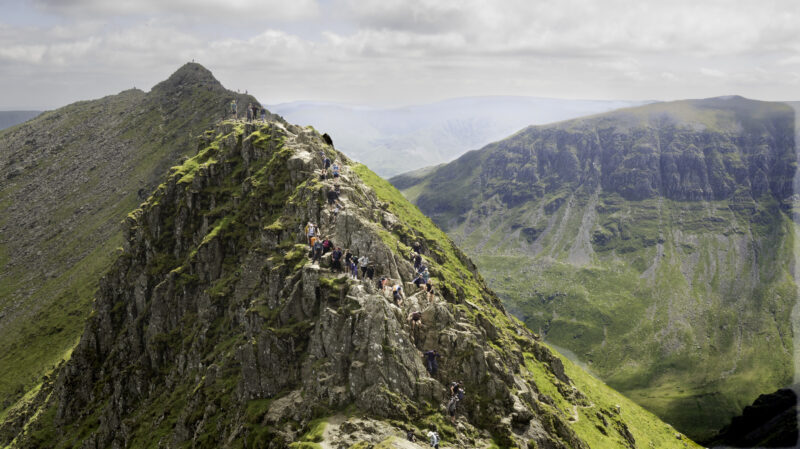
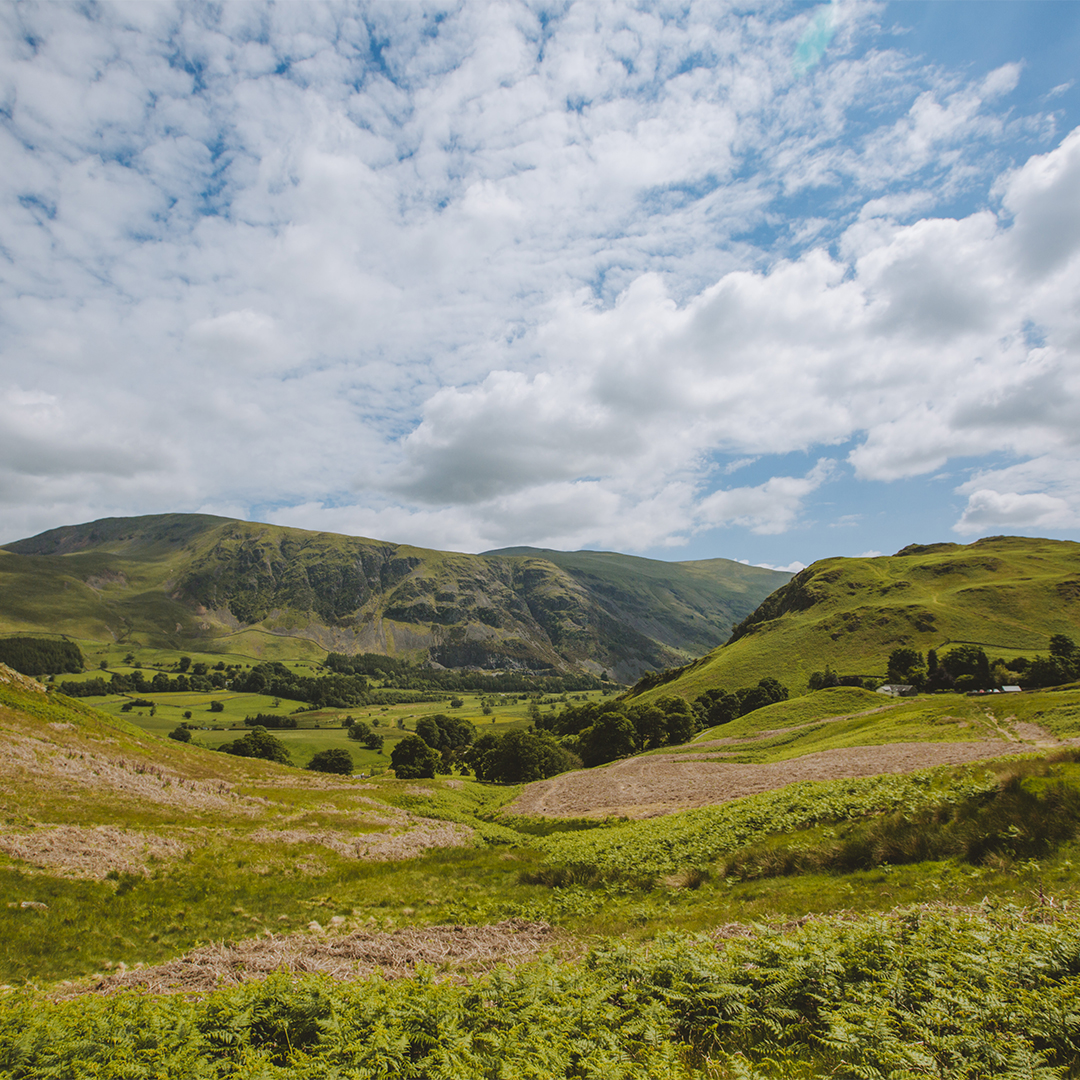
The Lake District is unquestionably the most popular National Park in the UK, beloved by travellers from around the world, but it wasn’t always so. Early modern visitors considered it an intimidating landscape, with Celia Fiennes commenting on the ”inaccessible high rocky barren hills which hang over one’s head in some places and appear very terrible” in the diary of her ride up and down the length of England in 1698.
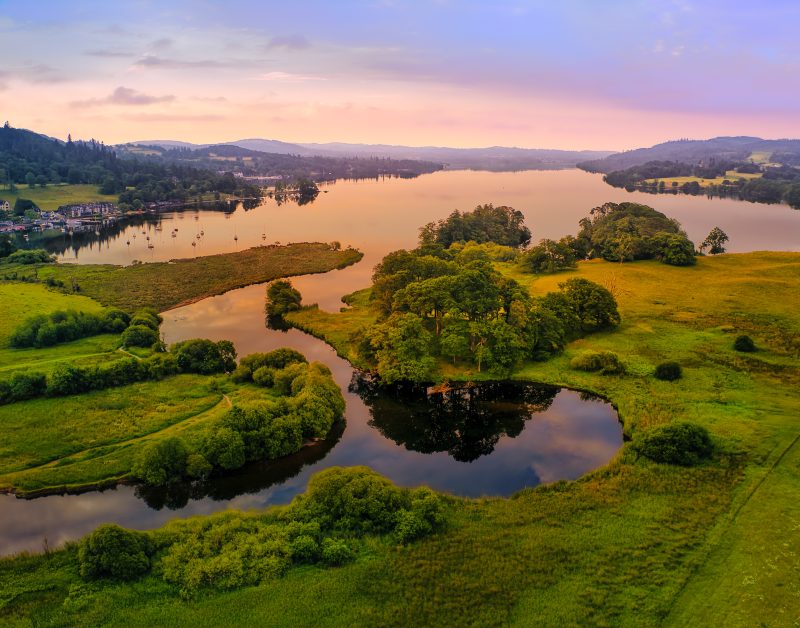
Around 30 years later, Daniel Defoe called Westmorland’s landscape, “the wildest, most barren and frightful of any that I have passed over in England, or even Wales,” a sleight which probably didn’t endear him to the Welsh. Then, towards the end of the 18th century, with war making Europe a less enticing place to travel, the Lake District came into its own. In 1778 Thomas West produced A Guide to the Lakes, which listed a number of particularly striking viewpoints he called “stations”. These then became so busy that buildings were erected at some of them to facilitate visitors, which just goes to show you can’t blame Instagram for everything. The remains of Claife Station can still be found on Windemere’s western shore.
After another 30 years, Wordsworth enters the scene. With a notable lack of creativity for a renowned poet, he published his own Guide to the Lakes in 1810, and its rampant popularity helped make the region the nation’s wild darling. It was designated a National Park in May 1951, a month after the Peak District, and has been synonymous with natural beauty and outdoor freedom ever since.