Published: 04 November 2026
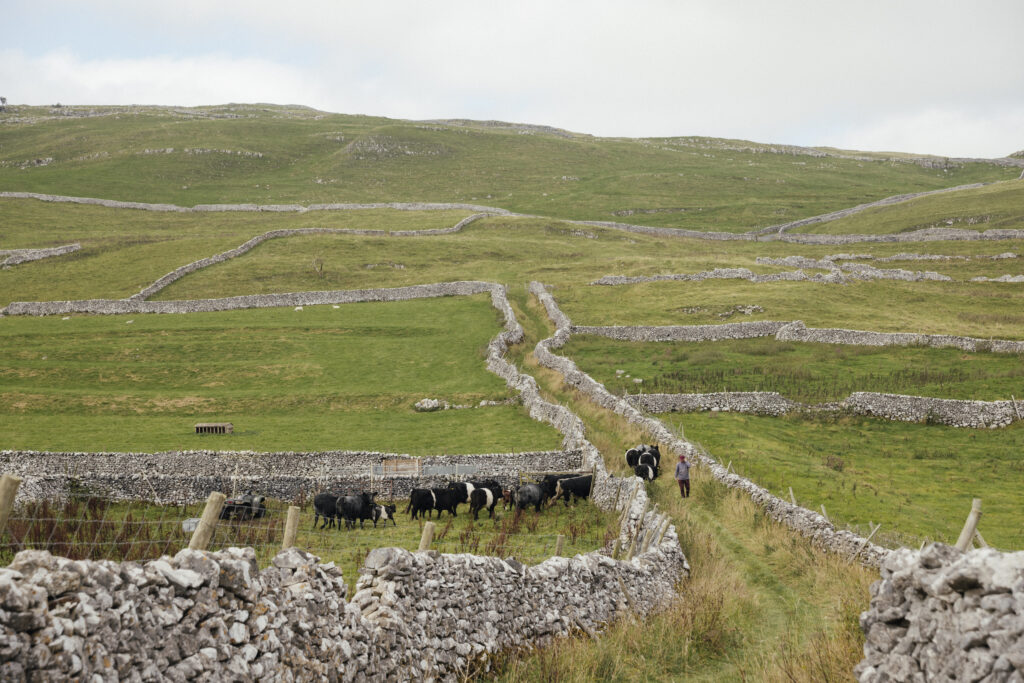
Neil Heseltine lives on the Southern edge of the Yorkshire Dales where he manages Hill Top Farm. The upland farm has become a destination for young people to visit and learn about the positive impact of nature-friendly farming. These educational trips help connect children with farm animals, soil, wildflowers, and the wid landscape of the Yorkshire Dales National Park.
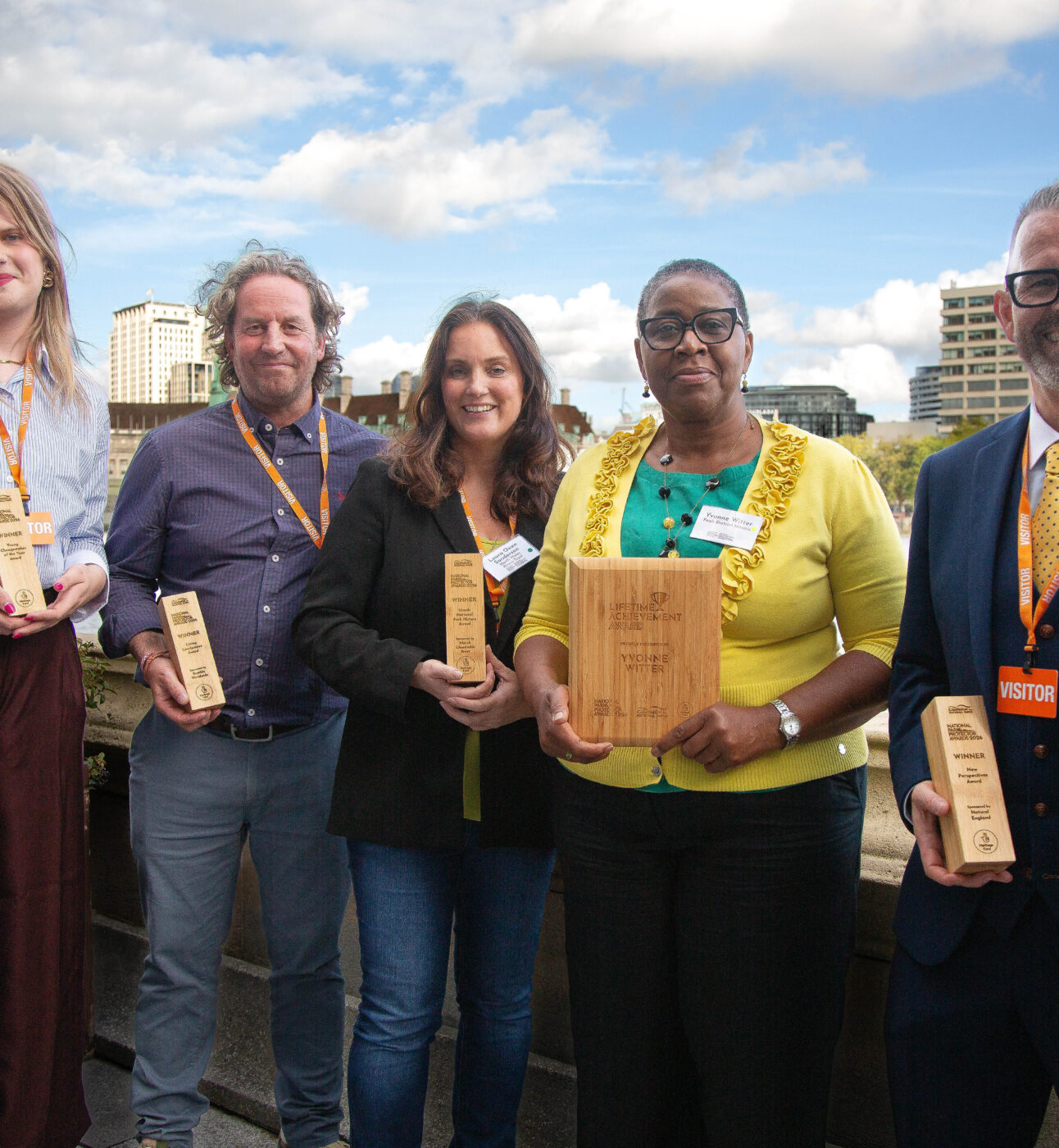
Last month Neil was awarded the Living Landscapes Award as part of our National Park Protector Awards. We caught up with Neil during the award ceremony held at the Houses of Parliament to hear more about the impact of his nature-friendly farming and his work with helping educate young people.
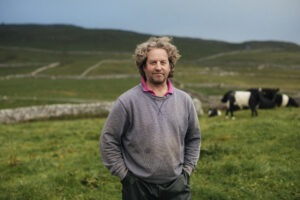
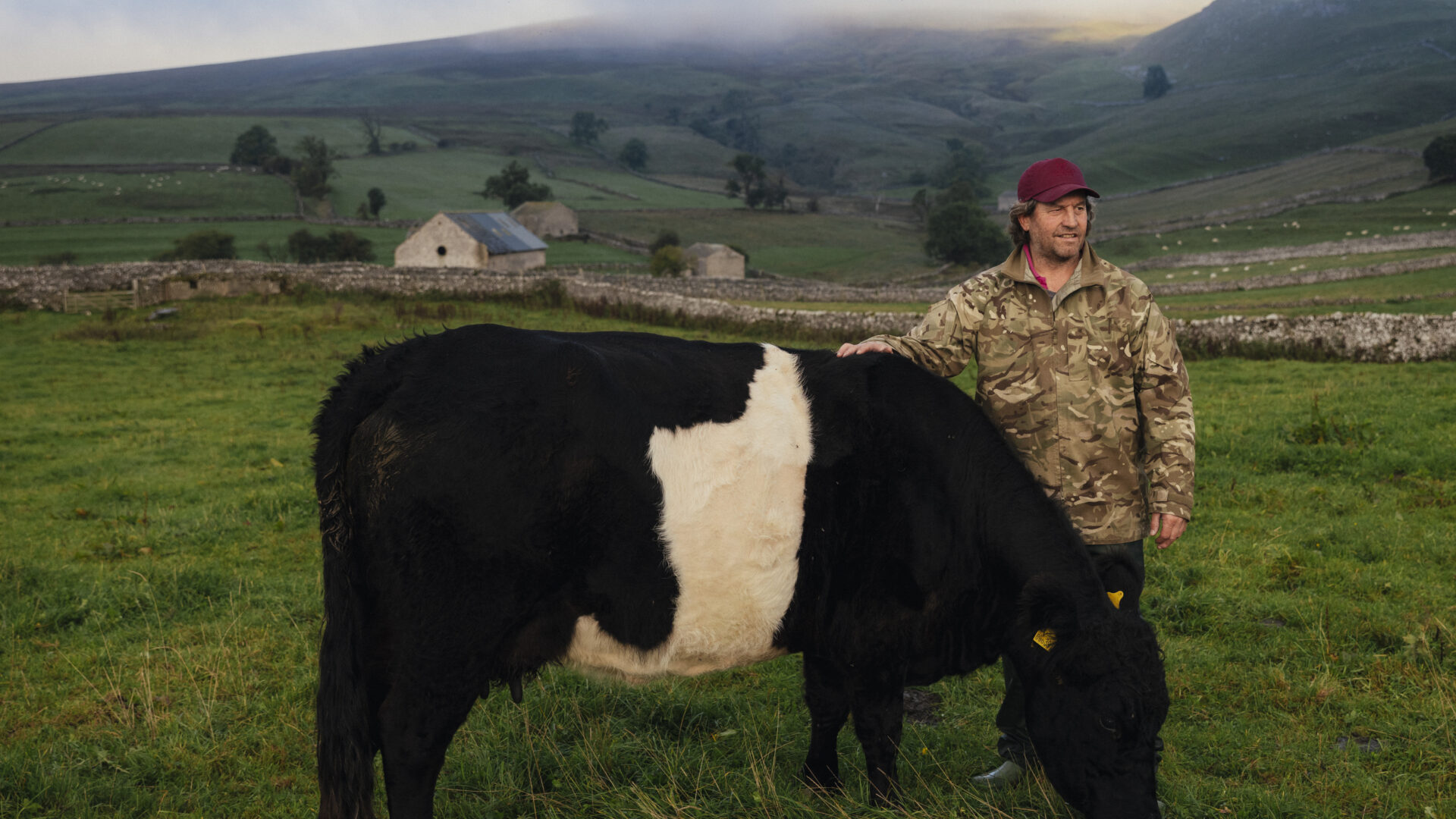
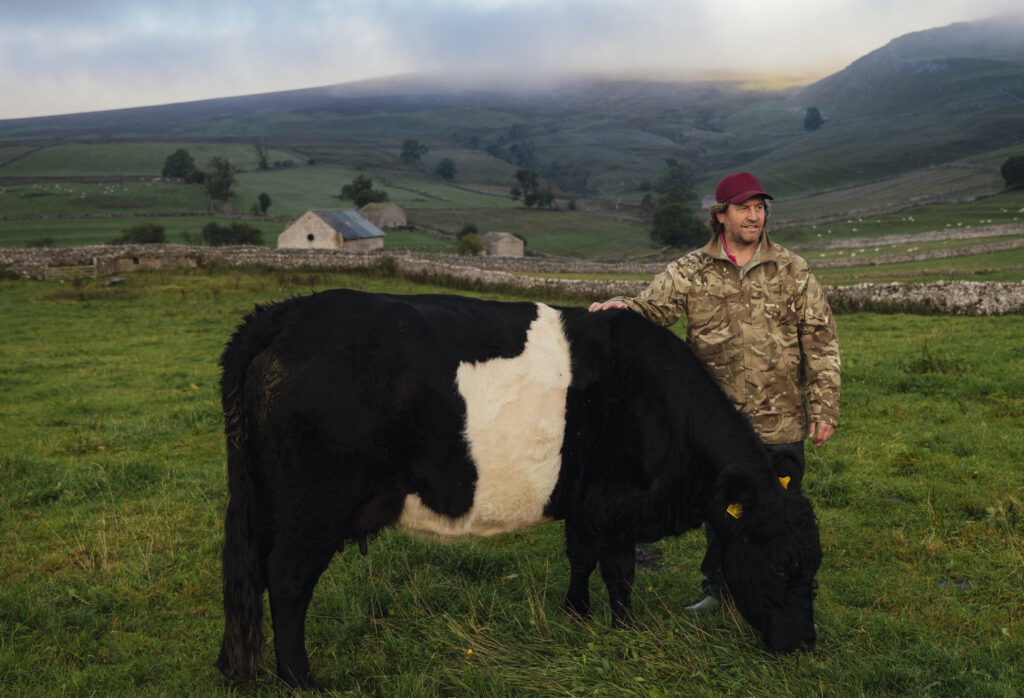
Neil Heseltine of Hilltop Farm in the Yorkshire Dales with his belted Galloway cattle on his farm in Malham
Can you introduce yourself and outline the work you do?
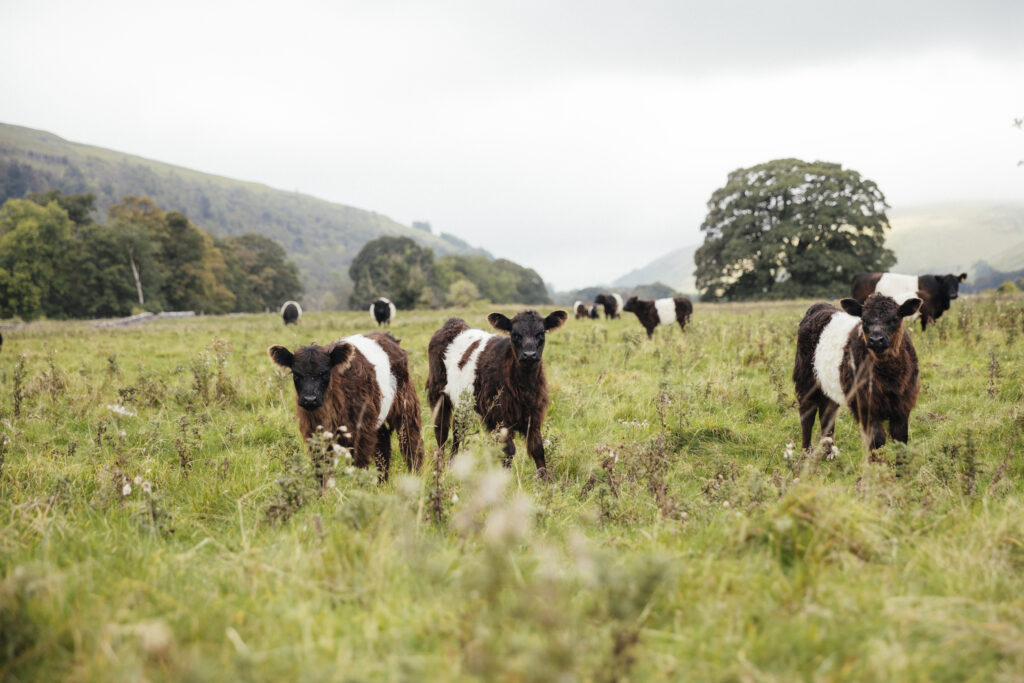
My name’s Neil Heseltine and I live on an upland farm in Mallam, on the southern edge of Yorkshire Hills National Park where I farm with my partner Lee. Essentially what we do on the farm is to try and farm as much to create habitats for nature and for the environment as we possibly can. For example we have belted Galloway cattle grazing the hills to essentially create more habitats for nature on the farm.
I was nominated for today’s award by an organization called the Country Trust, who we work with all year round to be able to create the opportunities for young people to come and visit the farm and to learn everything about what we do and and the National Park itself.
While we do a lot of work with nature, today’s award is really about the amount of work that we do with having children onto the farm to try and learn a little bit more about the farming that we do, the farming for nature, but also about the wider landscape within the National Park.
Why did you start this work?
The reason why we got into this work was very much financial from the outset. We felt we had to change how we farm the farm to both benefit it for nature, but also to make sure that in another five, ten or fifteen years time that we were still on the farm. So we had to make sure that it was sustainable financially, economically, environmentally and socially for us. It was really important to us to shift how we’re farming to ensure that we’re farming and producing food in a way that was right for the environment, but also that was right for us.
What impact has the work you’ve done had on the National Parks?
From a National Park perspective, we feel it’s really important that we farm in a way which is great for nature and doesn’t impact upon the nature within the National Park, but the work we do with the children is just so inspirational for us. So we have kids on the farm that come from nearby towns and cities, such as Keithley and Bradford. Quite often they’re in a field for the first time in their lives and they know nothing about farming or the landscape that they’re in.
We try and get the young people up close to sheep, to cows, to hens, and then talk about the limestone landscape that we’re in and what’s really important about that. Hopefully they find that really important and exciting and they get to experience that while also getting a lot of enjoyment out of that. From our perspective, we get tons and tons of inspiration from those kids just in how energetic and dynamic they are when they’re on the farm and how exciting it is for those kids to be out in space, possibly for the first time in their lives. What they do is remind us all the time that the most important thing within the work that we’re doing is for those kids themselves.
What impact has it had on you?
So we really feel that that’s impacted upon us and our family life massively, mainly because the farming for nature we feel has really benefited the land and the nature on the farm. But we also believe that has benefited us from a financial perspective too. The more we farm for nature, the better off we are financially, but we get a real lift out of going down to on the farm and seeing more nature. But we obviously also get a huge lift when we get visits from school kids who come to the farm. They get a lot of enjoyment and lots of fun and their appetite for fun is, is huge. And that just teaches us that the most important thing in everything that we’re trying to do is creating opportunities for the kids themselves.
How do you feel about winning and what are your hopes for the future?
So today we’re really humbled and honoured to be even nominated for the award. I personally know that the other nominees within our group in the Living Landscapes Award and they’re doing brilliant, brilliant work across various different National Parks across the country. So to actually come out on top of that was even more of an honour. What you see by being here today is how much brilliant work there is going on around all the National Parks and if we can just replicate that in to a wider area and amongst more people, then why shouldn’t we have hope for the future?
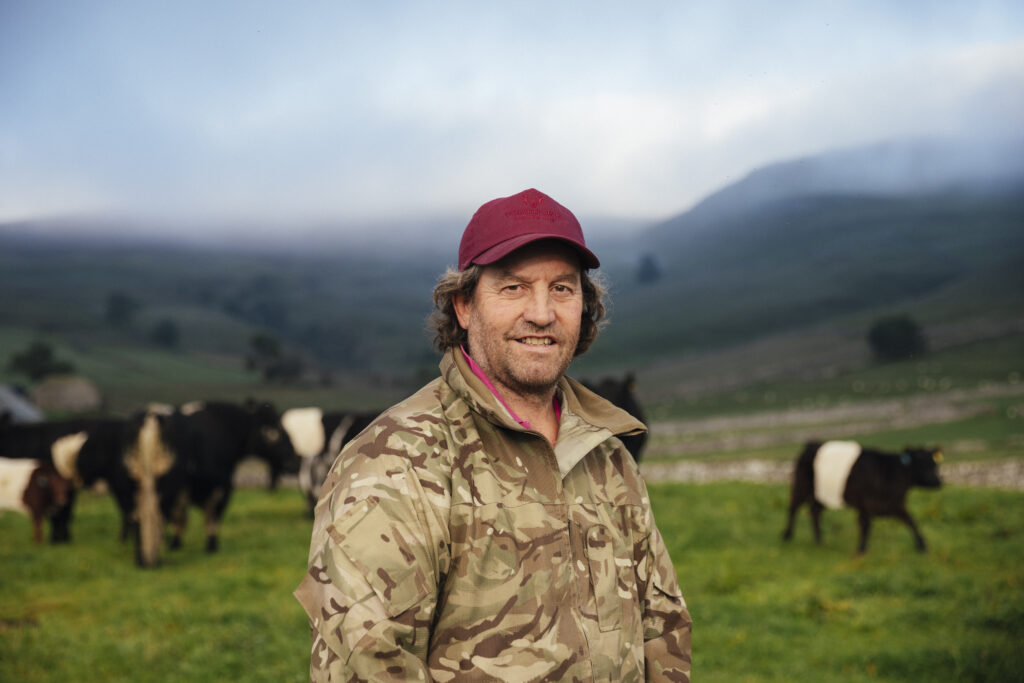
We sent photographer, Emma Stoner up to the Yorkshire Dales to capture some photos of Neil on his farm in Malham. Check them out below and find out more about the farm here.