

1. Pilots
Working with committed local partners, we will co-design and deliver two pilots for National Parks at sea.
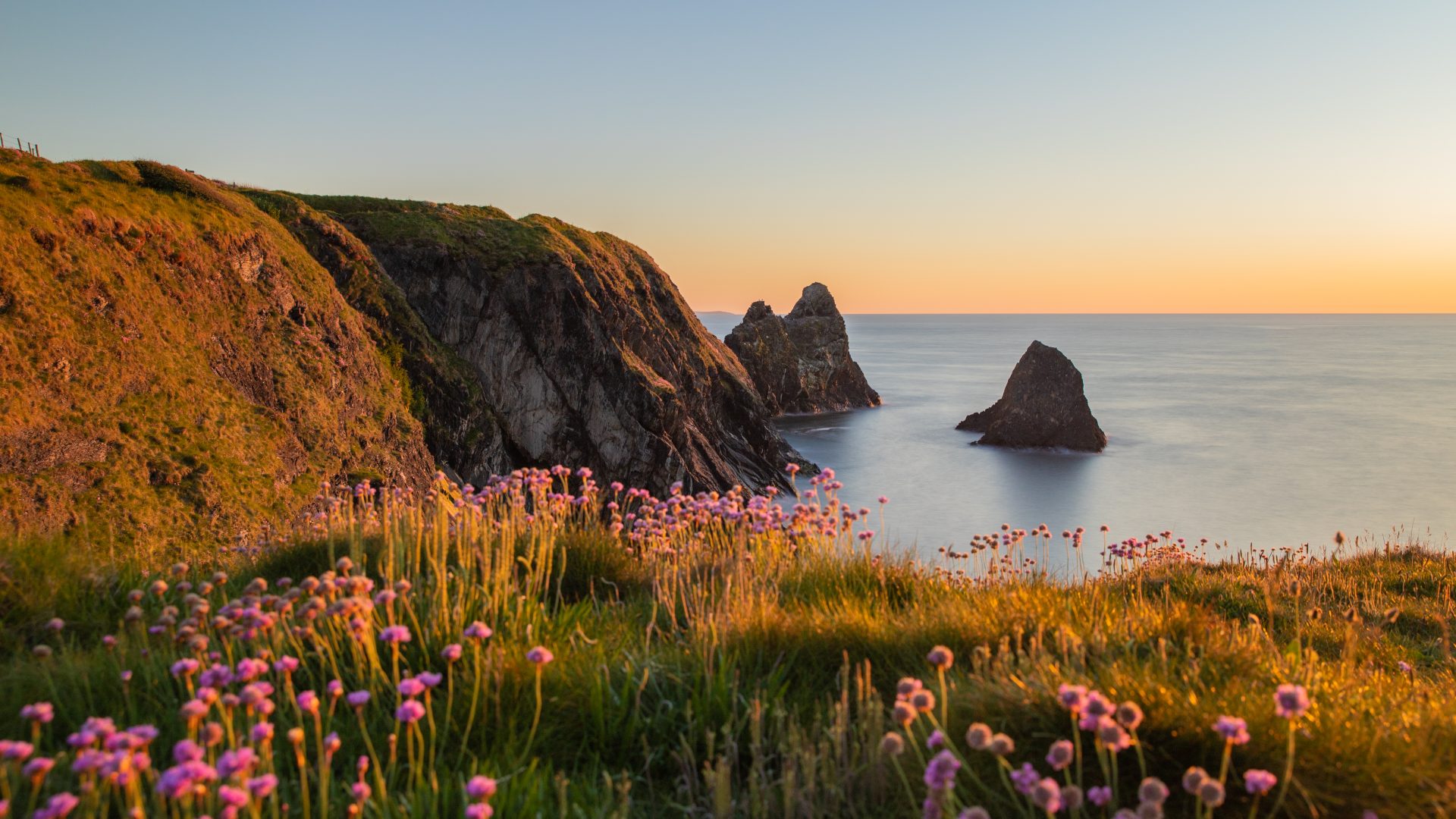
With over 30,000km of coastline, the UK is home to an incredible array of unique coastal and marine habitats. We have some of the richest coastal waters on the planet. Beaches, seagrass meadows, rocky reefs, saltmarshes, sand dunes and beyond; they’re a space for adventure, a vital home for nature, and key to our survival.
Our National Parks tell the story of our nation, with each landscape a chapter showcasing the most beautiful and best of the UK. But as an island nation with a long-standing maritime history, the sea is notably absent from this story. While 9 of the 15 National Parks include some coastline, only one – Pembrokeshire Coast – is primarily designated for its coastal landscape, comprising almost all of the coastline and offshore islands. But even here, the jurisdiction of the Park Authority stops at the shoreline. Unlike many National Parks around the world, Britain’s do not yet include the sea.
At Campaign for National Parks, we believe that the sea is a critical gap in the National Park story. Some of our most important habitats and the pressures across land, coast and sea can only be managed by considering our interconnected ecosystems as a whole. By connecting people to the sea, we could revolutionise how the public view the ocean, enhance people’s access and enjoyment, and improve management to revitalise both nature and our coastal communities. That’s why we’re campaigning for the UK’s first designated National Parks at land, coast and sea, and supporting the exploration of voluntary National Marine Parks.
National Marine Parks are expansive areas of sea, coast and land; seascapes of national importance. The aim of a National Marine Park is to connect people with the sea. Like a National Park on land, their purpose is to enhance wildlife, conserve cultural heritage and promote public understanding, access and enjoyment. They also offer a crucial role in supporting climate resilience and regenerating coastal communities.
We believe that National Parks in the UK should be able to exist across land, coast and sea. This would mean enabling our existing 9 coastal National Parks to extend into the sea, and for all new National Parks in the future to include the sea from their beginning. This would still be an area that is legally protected, forever, and supported with Government funding and a public body set up to ensure these purposes are delivered.
Beyond legislated routes, there are many ways to progress National Marine Park status. In Plymouth, communities have taken things into their own hands. In 2019, the council and people across the city came together to declare Plymouth Sound as the first National Marine Park. Supported by a National Lottery grant of £11.6m and the support of the City Council, this community-led initiative embodies the spirit of National Parks (if not the legal designation). It is forging a new relationship between the city and the sea, with a ranger service encouraging people to become ‘Marine Citizens’, fostering care and behaviour change.
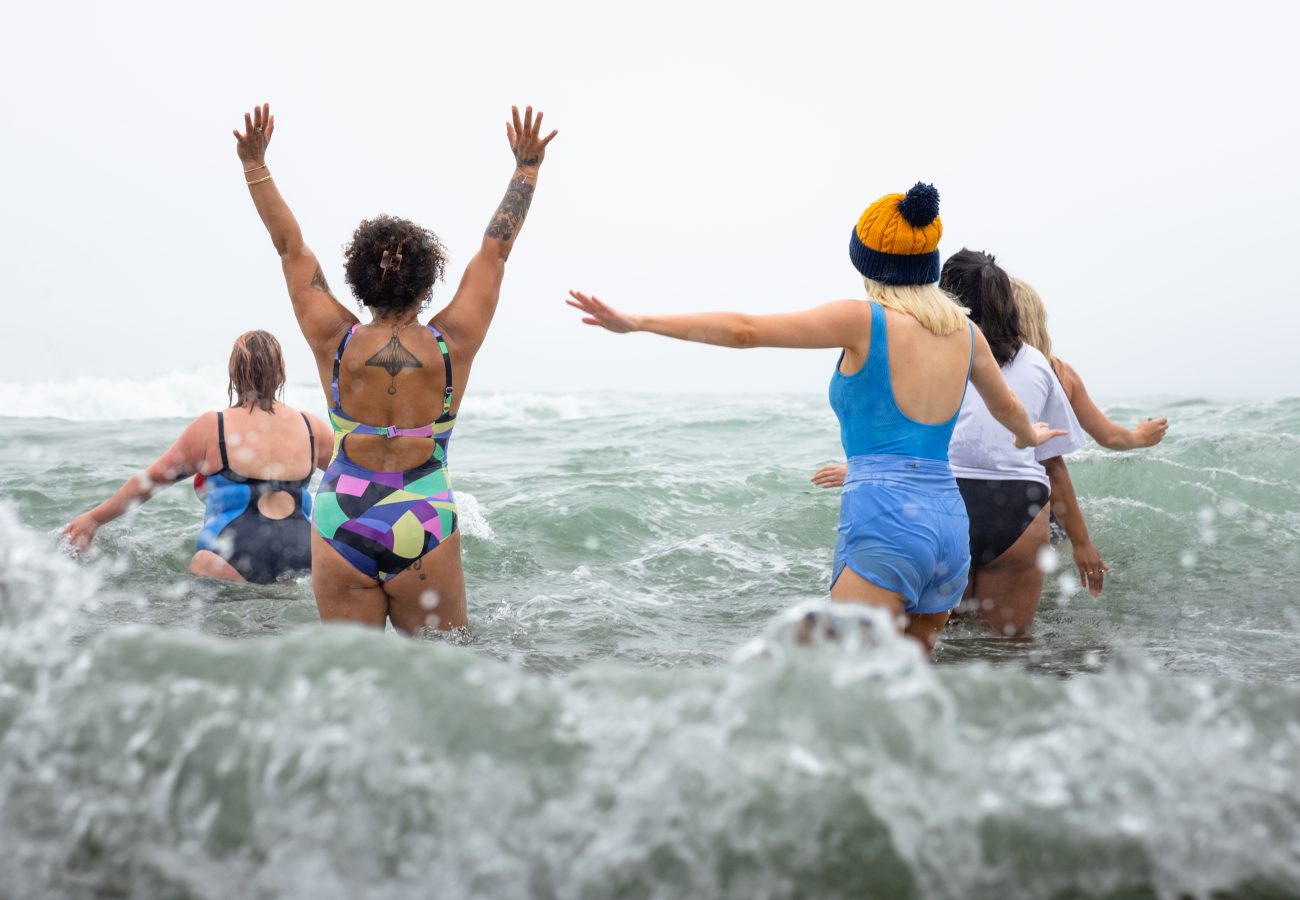
© SolStockNational Marine Parks are seascapes of national importance. The aim of a National Marine Park is to connect people with the sea, and enhance decision making across land, coast and sea.
Currently, the UK’s National Parks stop at the shoreline. Working with the eight English and Welsh National Park Authorities with coastline, new research explored opportunities and challenges to extend into the sea. It found that National Parks’ coastal boundaries vary between high and low water mark, including some islands but not the sea. The level of engagement with coastal communities and in-house marine expertise varied, with some including seascape objectives in management plans. It was considered legitimate and logical to expand into the seascape, identifying benefits e.g. strengthening democratic accountability in marine planning; and better managing recreational pressures. But this could only happen if additional resources were available. Ultimately, primary legislation is needed to extend designations seaward; in the shorter term, exploring the possibility could build connectivity in decision making across landscapes and seascapes. Overall, there was a positive level of interest in exploring the idea further and discussions are continuing.
Working with committed local partners, we will co-design and deliver two pilots for National Parks at sea.
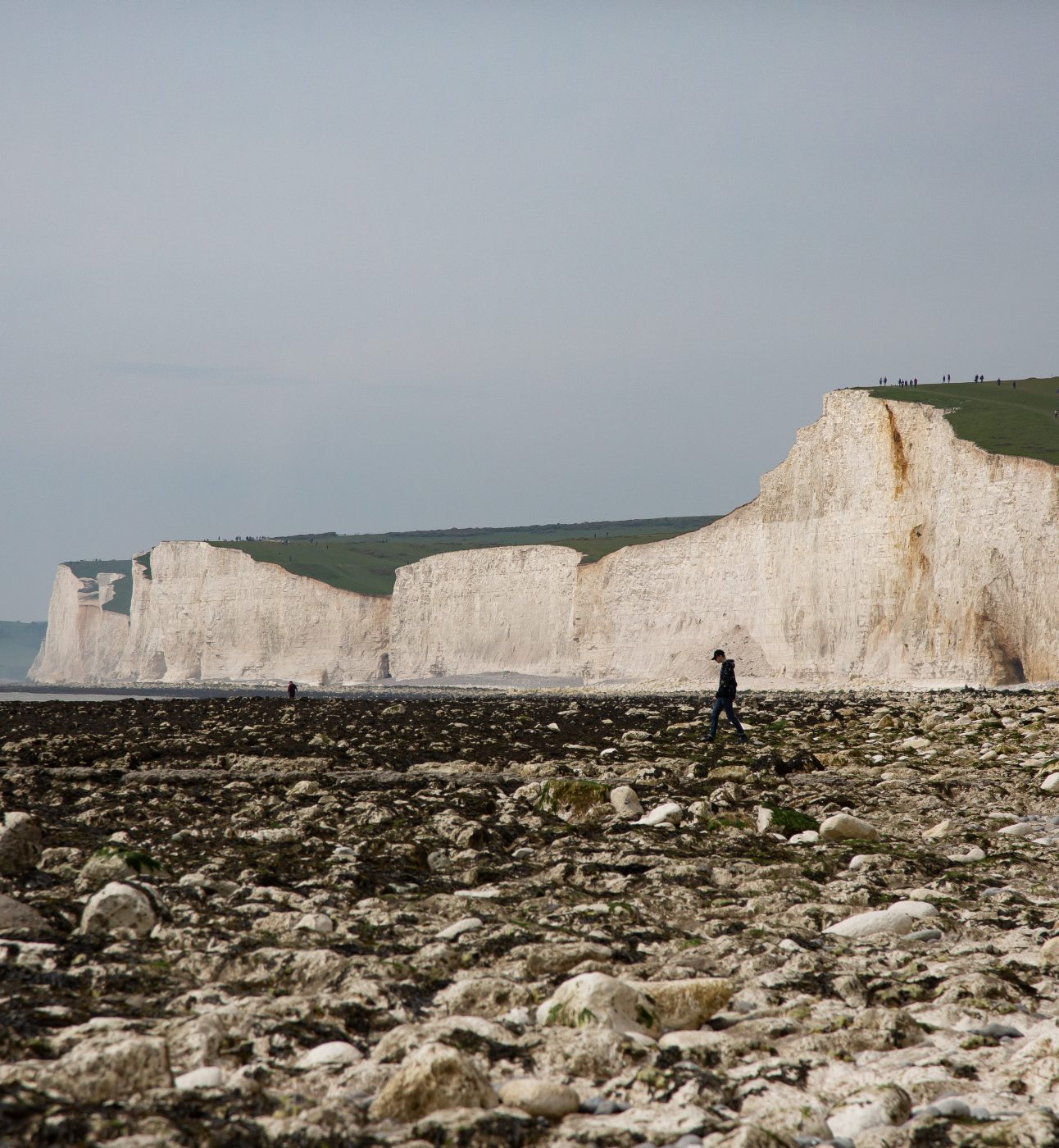
To support further nation-wide participation in National Parks at Sea, we are establishing a Leadership Academy to support young people from diverse backgrounds to develop their leadership skills.
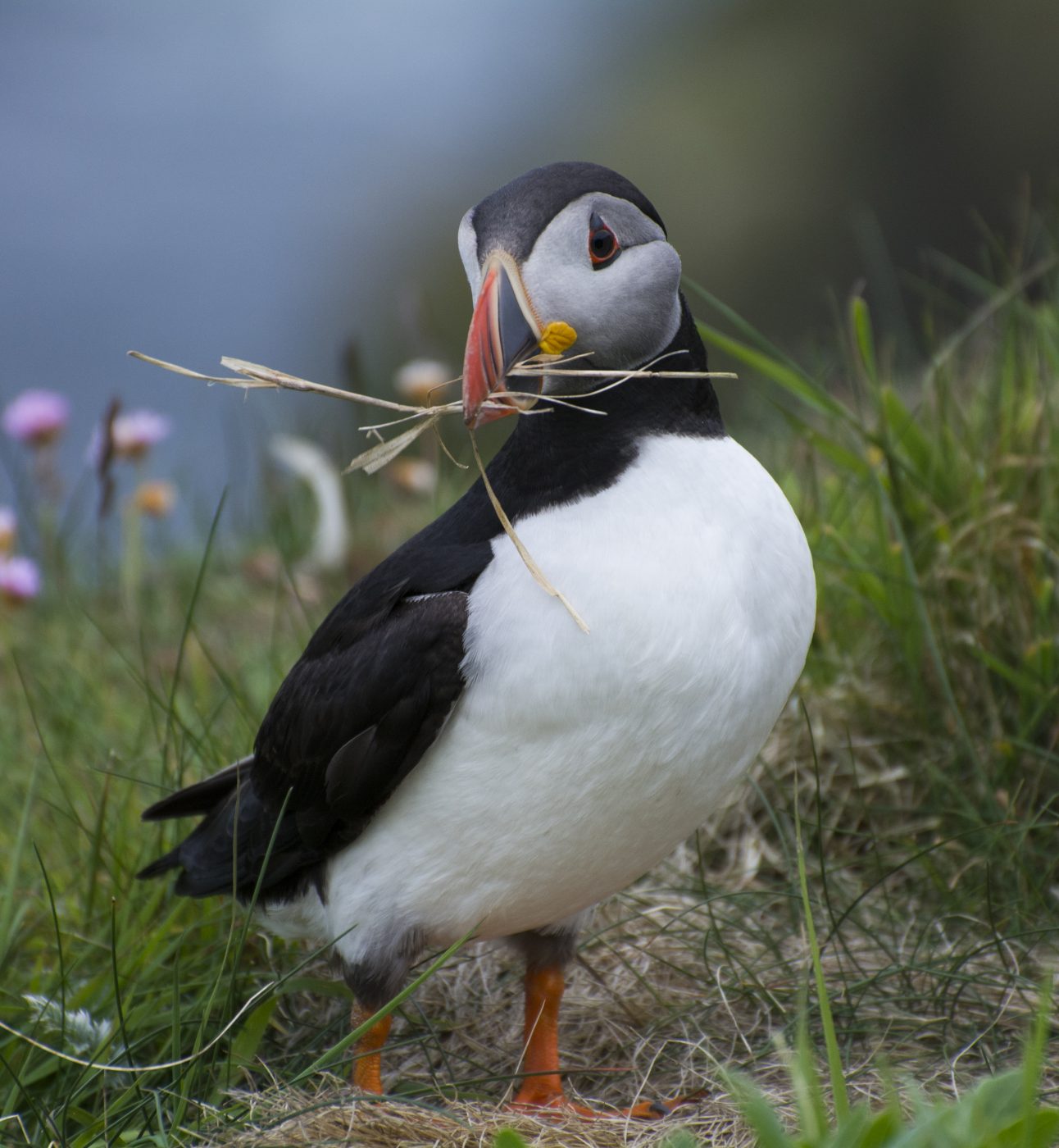
Capitalising on the Alliance’s momentum, our aim is to increase location-based interest in National Marine Parks across the UK, supported by the creation of a place-based toolkit and exploration of approaches which support community progress, recognition and advocacy.
We have regular webinars and email updates to help keep the group in the know about all the latest developments. Anyone with an interest in National Parks and the sea can join the Alliance and we welcome questions, input and advice from it’s members.
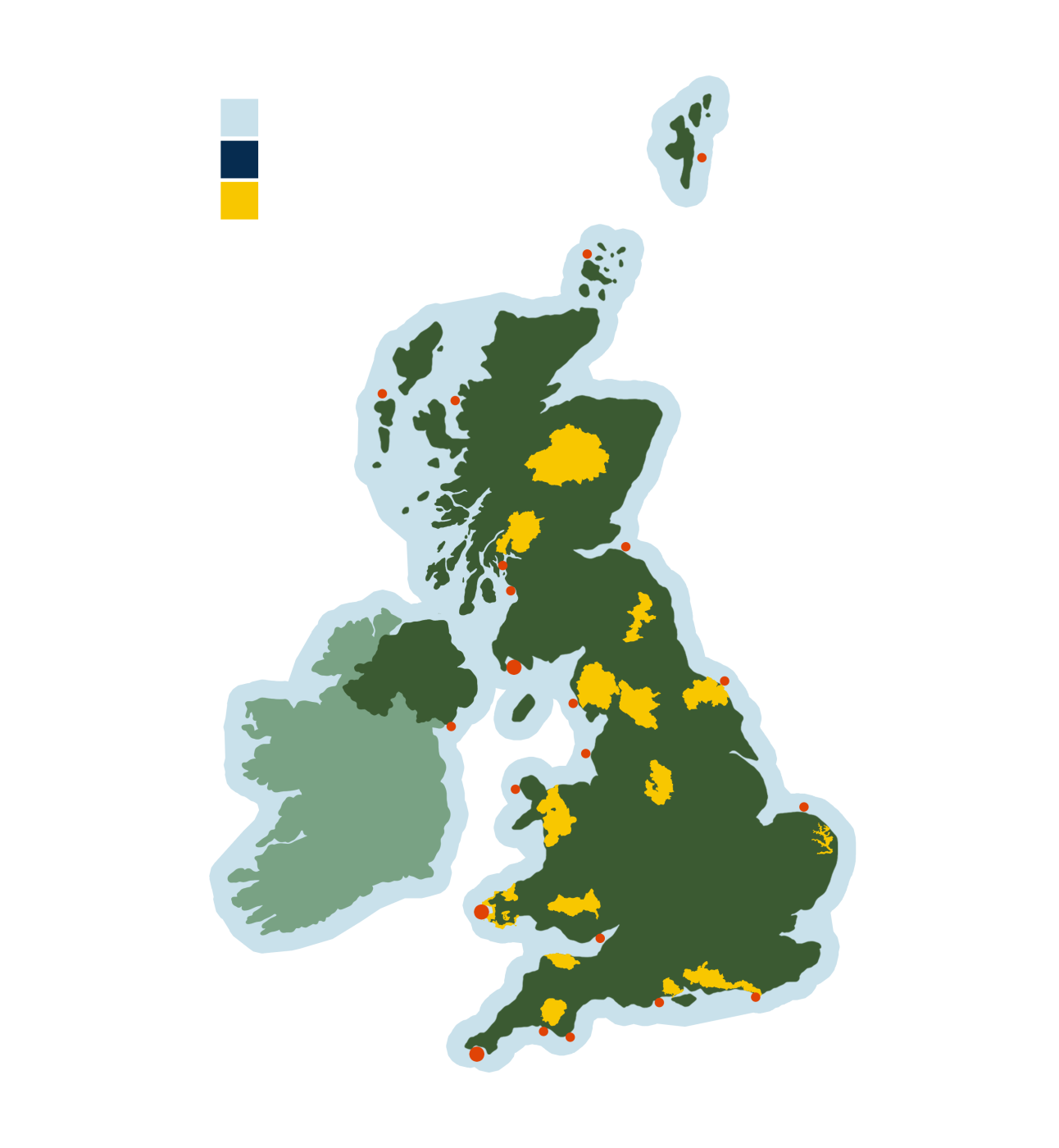
The British Isles contain beautiful and varied coastal and marine habitats where people make their homes and livelihoods.
Let us know where you’d like to see a National Marine Park and we’ll add it to our map.
The more votes the bigger the dots!
Blue Marine Foundation was previously leading the work on National Marine Parks in the UK. Campaign for National Parks joined with Blue Marine Foundation alongside others in 2023 to produce a framework for taking forward National Marine Parks.
In 2024, we picked up the mantle in leading the quest to establish National Marine Parks in the UK, as part of a new partnership with Blue Marine and Plymouth Sound National Marine Park, and thanks to funding received from the Esmee Fairbairn Foundation.
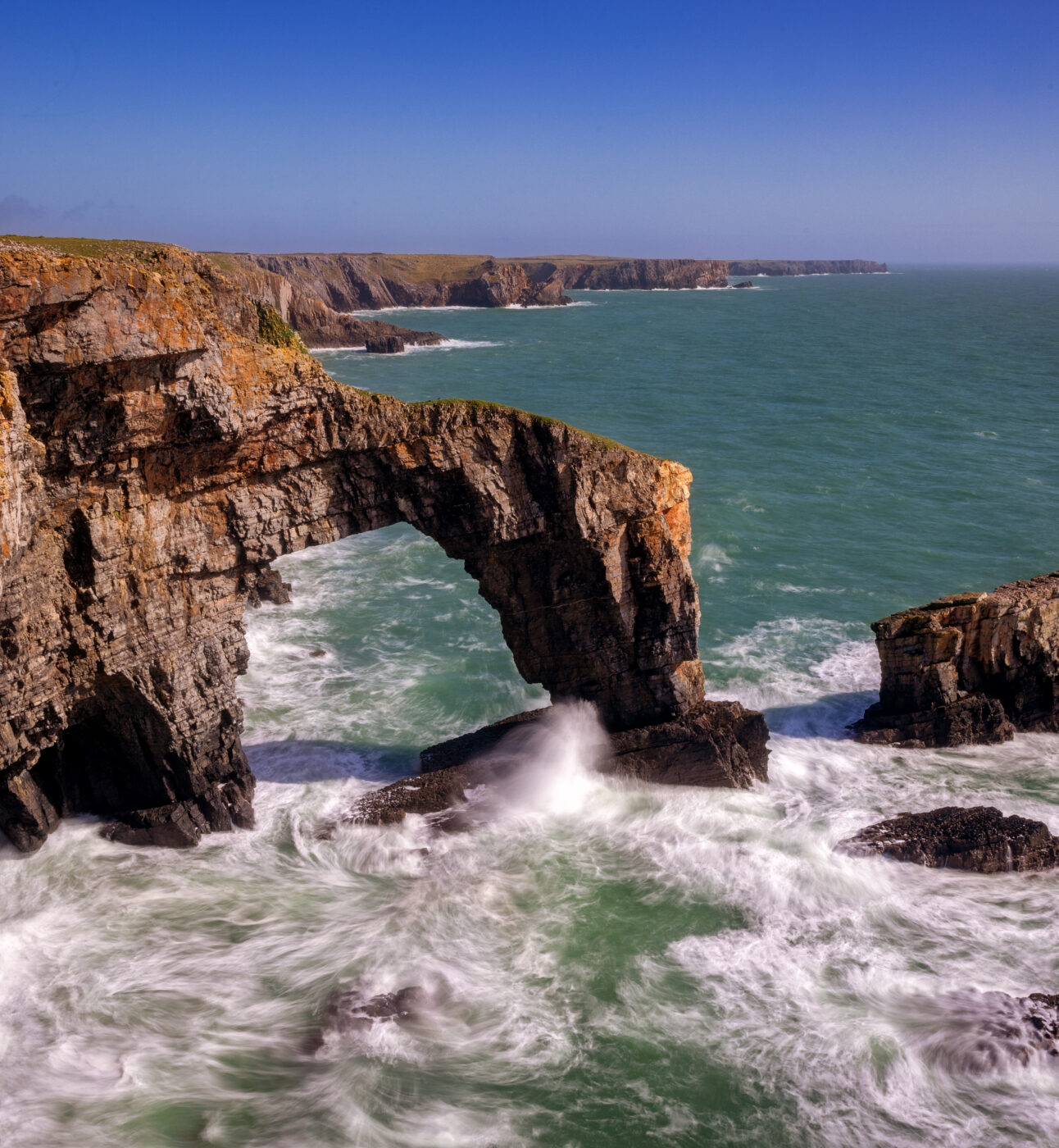
We’re looking for a Marine Project Manager to lead Campaign for National Parks’ marine work.
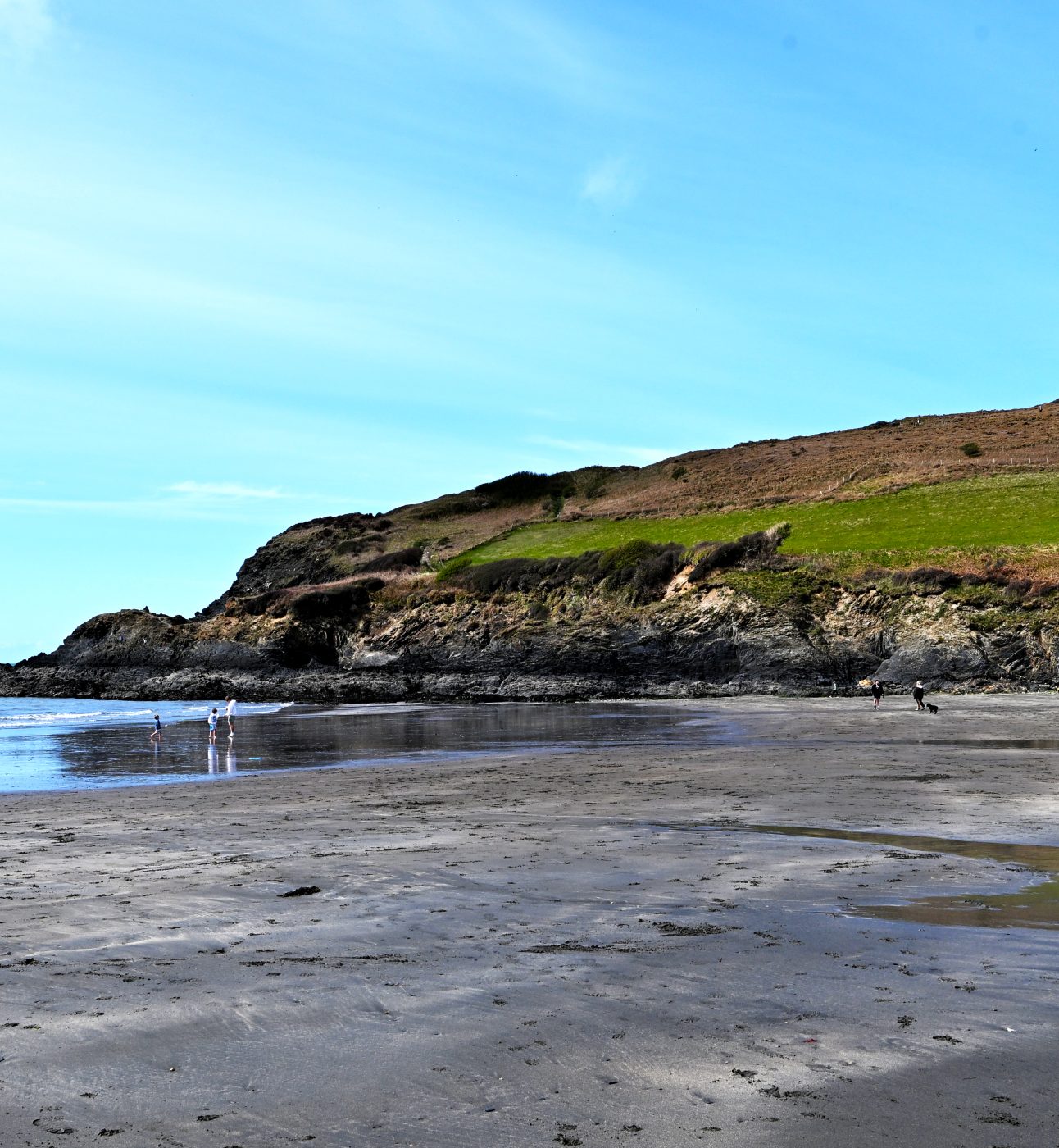
Key stakeholders have come together to sign a joint National Marine Park Position Statement for Pembrokeshire, a vital step in our ongoing National Marine Park work.
Hero image: Pembrokeshire Coast © Zoe Turner