The problem with burning for restoration
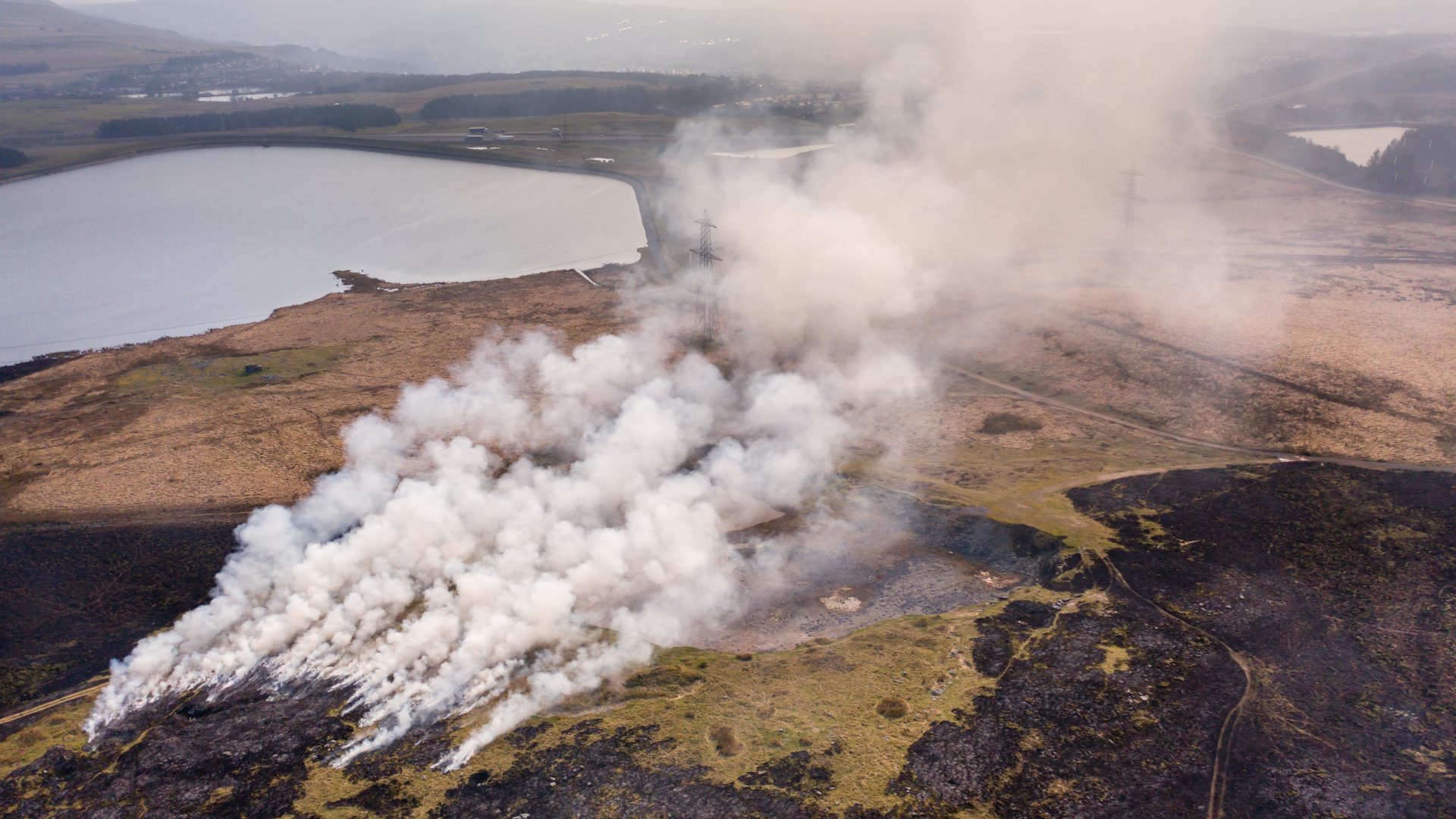
There is no evidence that burning is needed for peatland restoration or the maintenance of healthy peatlands. In fact, the IUCN UK Peatland Programme has undertaken a detailed review and concludes that wet peatlands are less prone to wildfires and that healthy peatlands do not need burning for their maintenance. Peatland burning is a significant cause of wildfires, it is extremely harmful to the climate and biodiversity; has negative landscape impacts when it results in large areas of heather monoculture; reduces water quality; and increases flood risk. Alternate forms of moorland management are available and provide longer-term, more natural solutions than burning.
The problem with burning to reduce wildfire risk
Burning is sometimes used on moorlands in the belief that it helps reduce the risk of wildfires on degraded peatlands with abundant heather. However, burning just maintains the degraded state and poorly managed burning damages peat-forming vegetation further.
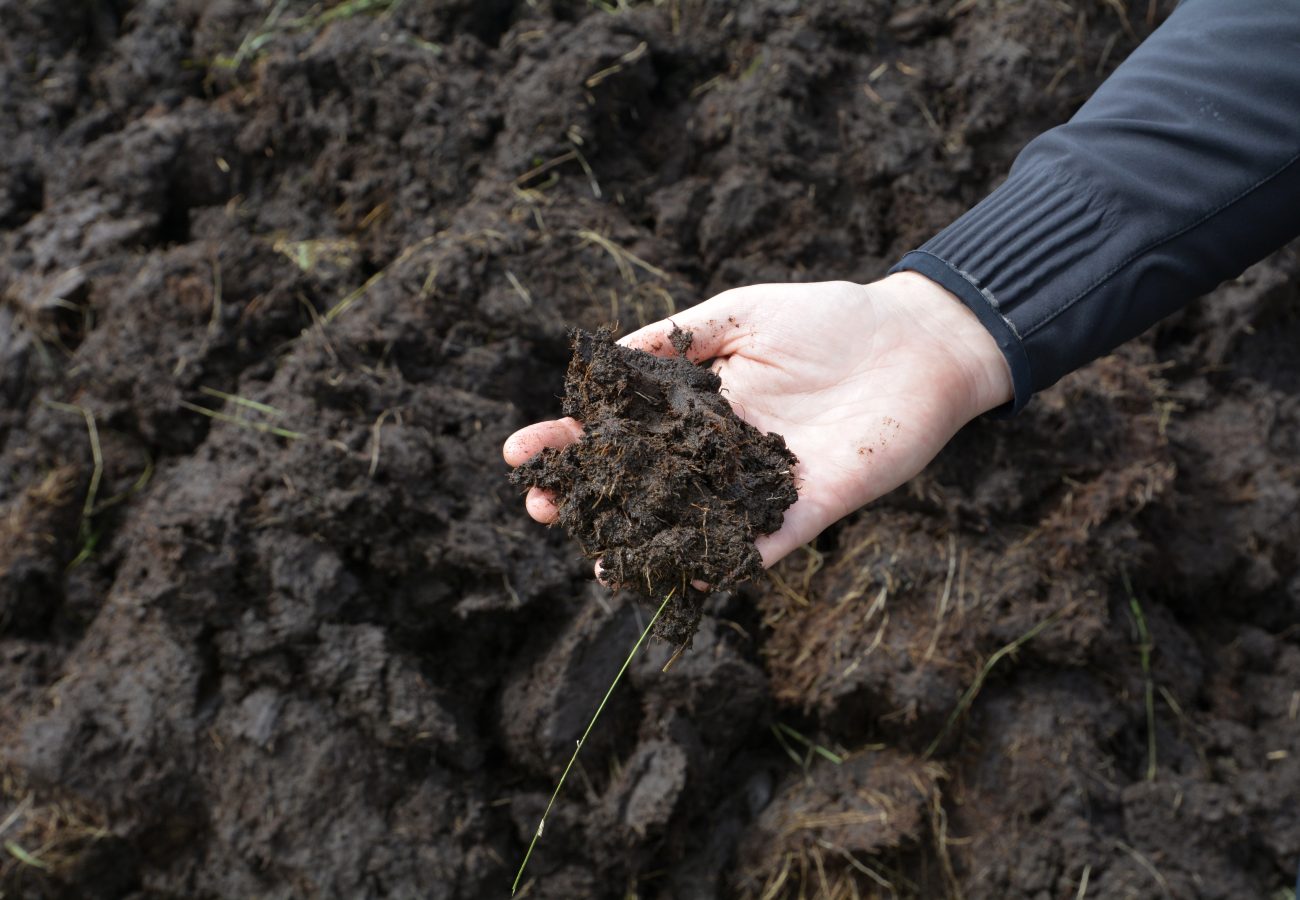
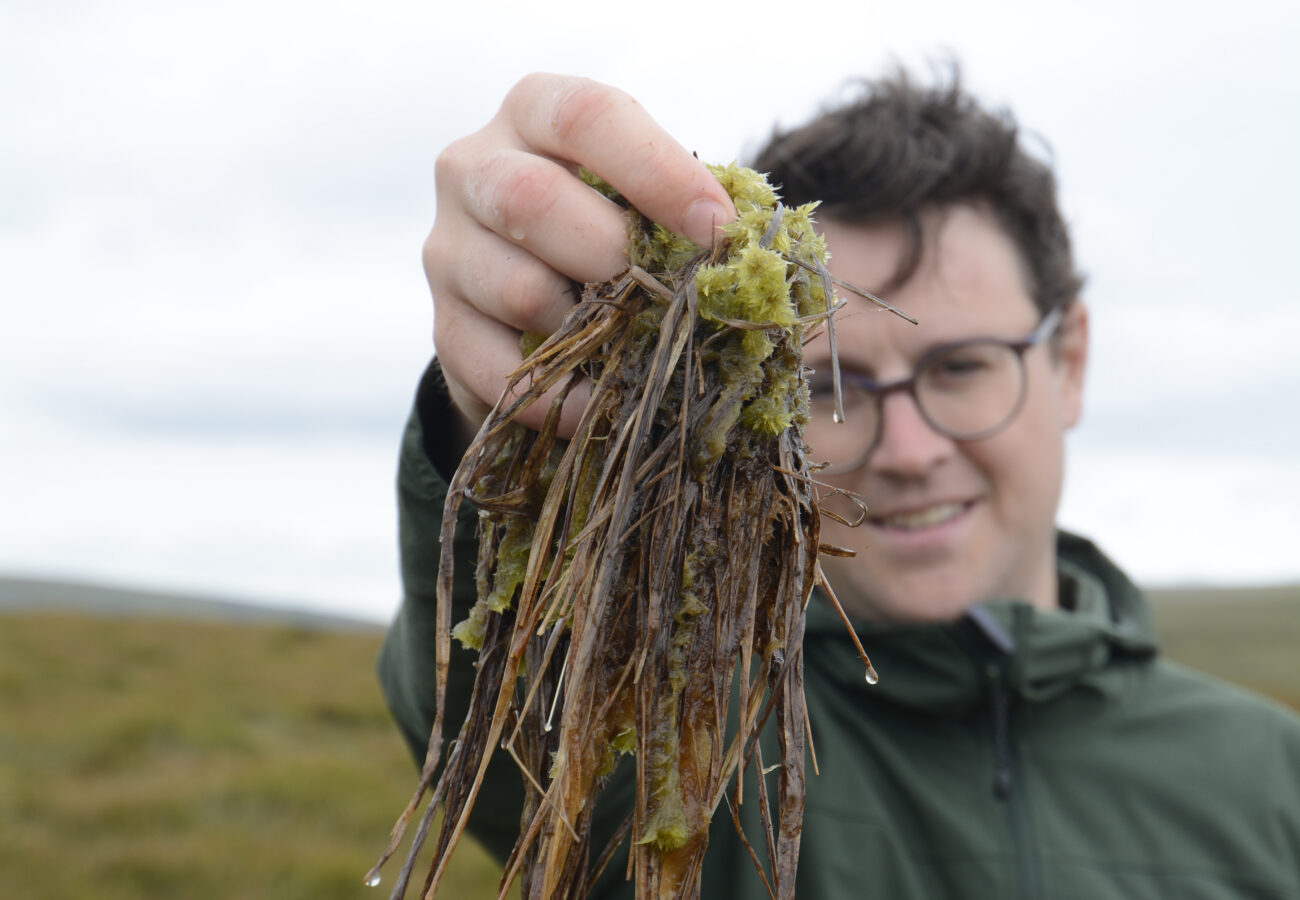
Typically, wildfires take hold on drier peatland areas where non-typical peatland vegetation has grown, providing a greater fuel load for the fire. Wet bogs in good condition have less vegetation to fuel a fire and reduce the spread of fire as wet peat does not burn.
A review of the evidence on wildfires by Natural England in 2020 found “strong evidence that managed fires escaping control cause a proportion of wildfires, particularly in the uplands”. The review reports data from a study in the Peak District National Park which found that 24% of fires for which a cause could be identified from 1976 to 2004 were specifically attributed to escaped managed burns, but that because these fires tended to be larger, they accounted for over half of the area (51%) affected by wildfires during this period.