

Rivers at Risk
We’re demanding urgent action from Government in England and Wales to protect and prioritise National Park waterways.
Published: 19 February 2026
The warm sun had barely risen above the Preseli Hills when we arrived at Carn Sian on the outskirts of Mynachlog-ddu in the Pembrokeshire Coast National Park. My mind was racing with nervous excitement and worry that I had forgotten something crucial; had I trained enough for this? Should I have packed more food, snacks and water to get to the end?
Luckily my mind eased upon meeting my fellow travellers for the day. Pip, Helen, Rosie and Christine, all brilliant local runners and passionate advocates for the local area, had kindly volunteered their time and energy to join me on this hair-brained escapade dreamt up whilst pouring over statistics revealing the critical state of our National Park rivers and waterways.
Our plan was to run 45km along the length of the Eastern Cleddau, hugging paths, trails and roads as close to the waters’ edge as possible. We would check in with the brilliant Cleddau Project as we ran to see water testing results that would reveal the changing state of the river as we travelled from source to sea.
It was clear when writing our Rivers at Risk report that the River Cleddau and the Pembrokeshire Coast National Park is struggling to contend with the effects of agricultural pollution, climate change and the impacts of the water industry. Just 28% of rivers in the National Park are in good ecological health, 20% behind the average across all three Welsh National Parks. Water quality has dropped dramatically between 2017 to 2021 (by 20%) and there’s little sign of improvement.
Although the clean headwaters of the Cleddau rise in the Preseli Hills before leaving and then returning to the National park at several points, our research found that only 18% of the river Cleddau’s water bodies (East and West) are considered to be achieving good ecological status. 72% of the reasons for failure are due to agriculture and rural land management. The water industry is also provided as a key reason for failure in 21% of water bodies. Combined sewage overflows (CSO) discharged for a total of 34,567 hours in 2024 from 33 different places.
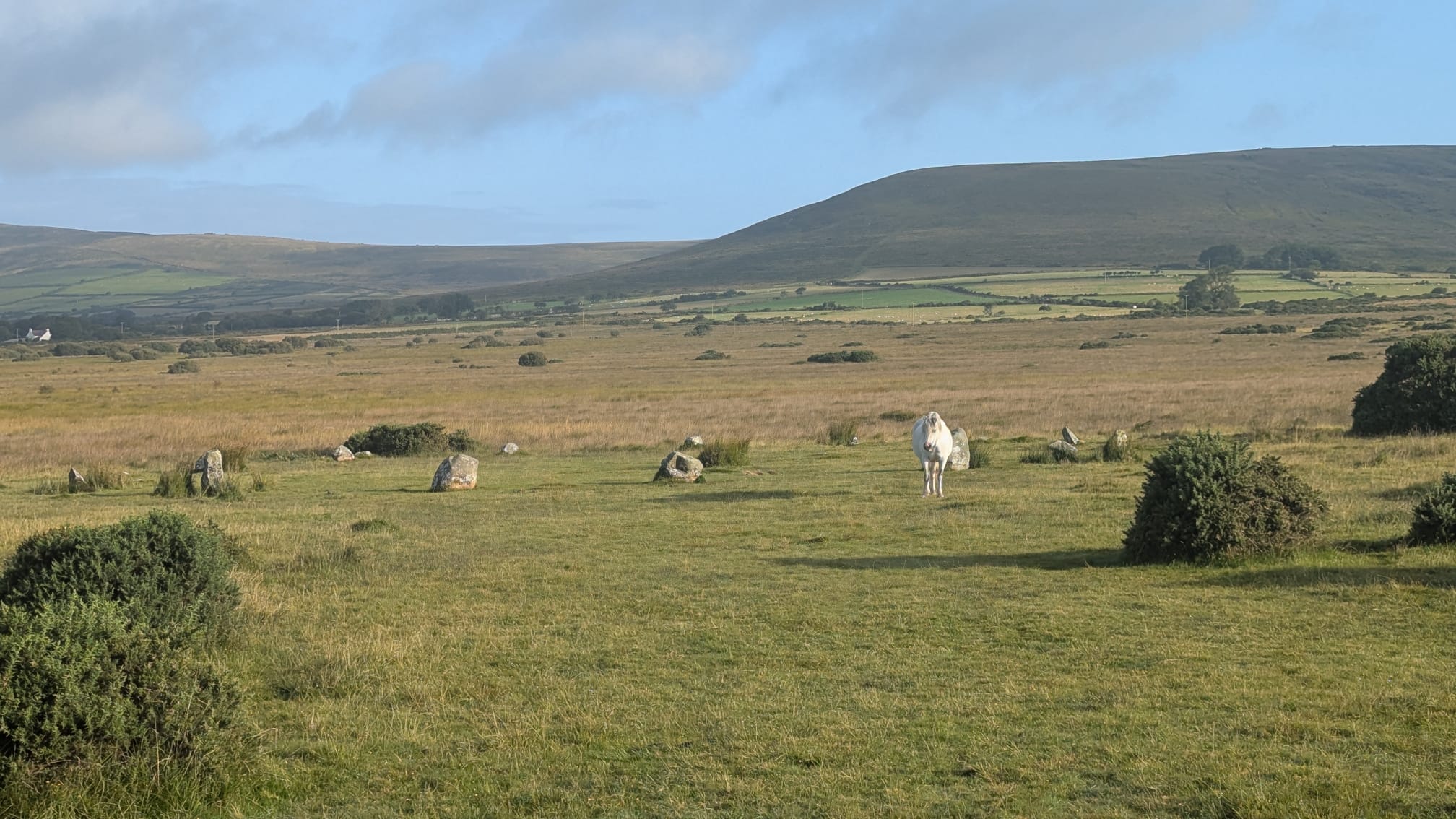
Preseli Hills
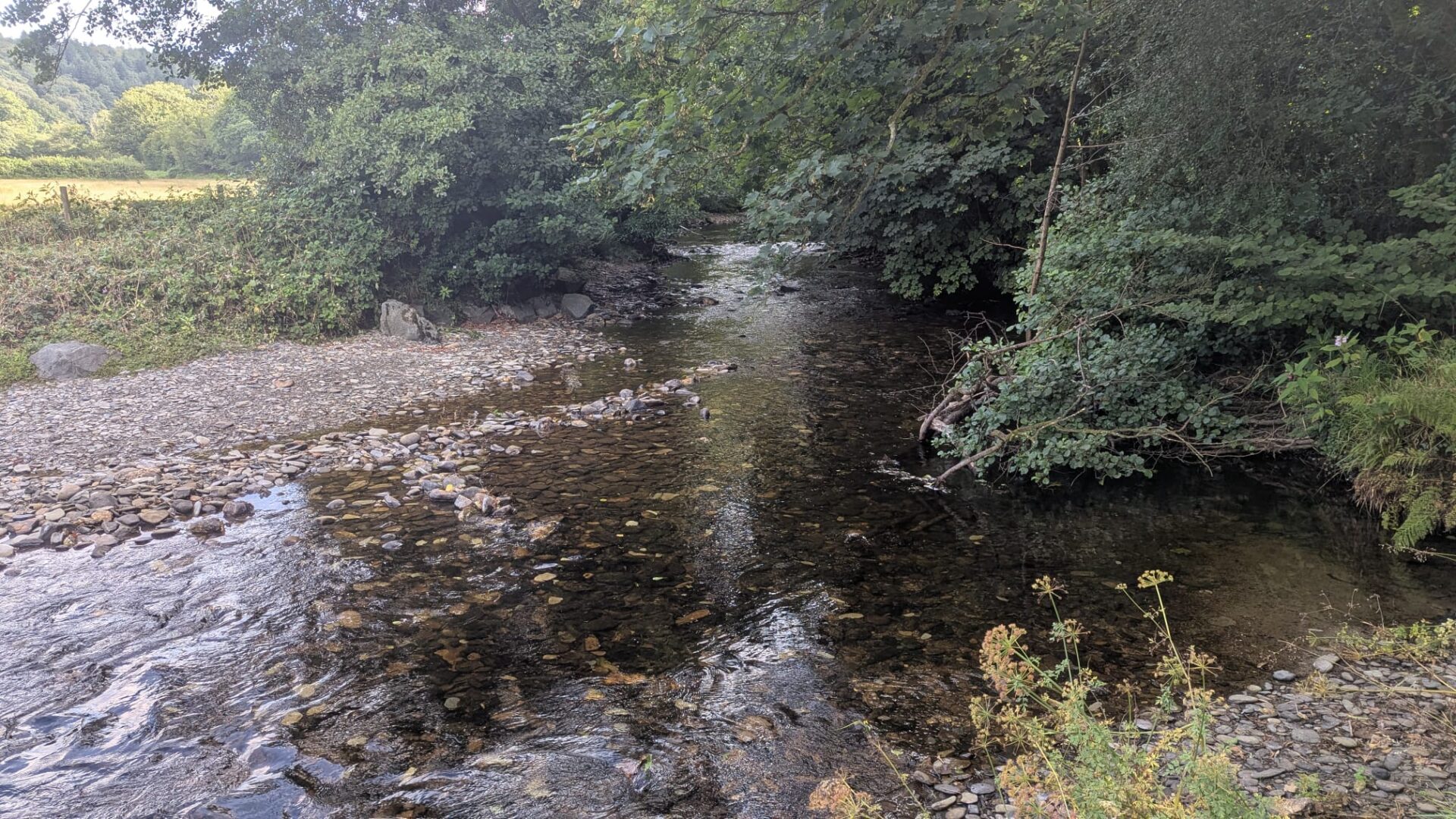
At the start of our journey, as the origins of the river emerged from the hillside, the river was undoubtedly clear, but it wasn’t long before invasive overgrowth and shading become apparent as native woodland competes with conifers on the widening river. We ran toward Rhydwilym where erosion along the banks had taken away the path.
Having left the National Park at this point, it was towards the 20km mark at Gelli where the invasive Himalayan balsam really became evident, smothering all life along the river beds. At Gelli we saw the confluence of the western and eastern Cleddau, and it was striking to speak with local fisherman Jake to hear about his years of experience fishing in the area. In the past Jake has witnessed completely different coloured water flowing from each branch of the river to combine at Gelli. Intensive dairy farming upstream on the Western Cleddau undoubtedly having a big role to play in the colouration, with this stretch being found to be hypernutrified. We heard about flash floods on the river, and I got a real sense of what used to exist here (sewin, otters and salmon in abundance) as well as what might be possible again with the sight of water crowfoot in clean stretches of the river.
Jill from the Cleddau Project provided a water test at this point which demonstrated how the river was already declining in quality from the start of the journey, but it became harder to perceive the difference in water quality as we moved on. Things became more evident around Landshipping where Algal blooms along the estuary edge were hard to miss, bright green pops of colour caught our eyes as we ran. A product of excess nutrients, great clumps of algae were smothering other plants along the estuary.
It was fascinating to hear the first-hand experiences of Di (a local farmer) and Alun (another local fisherman) to understand the complexities of what might be going into the Cleddau at different points, and how this has affected the state of the river over decades. From pesticides to sewage and inorganic matter, the map of inputs is tricky to understand and track, but new nutrient management boards are an important first in identifying the problems and National Park Authorities have an important role to play in bringing stakeholders together, convening and cajoling action at the heart of their management plans.
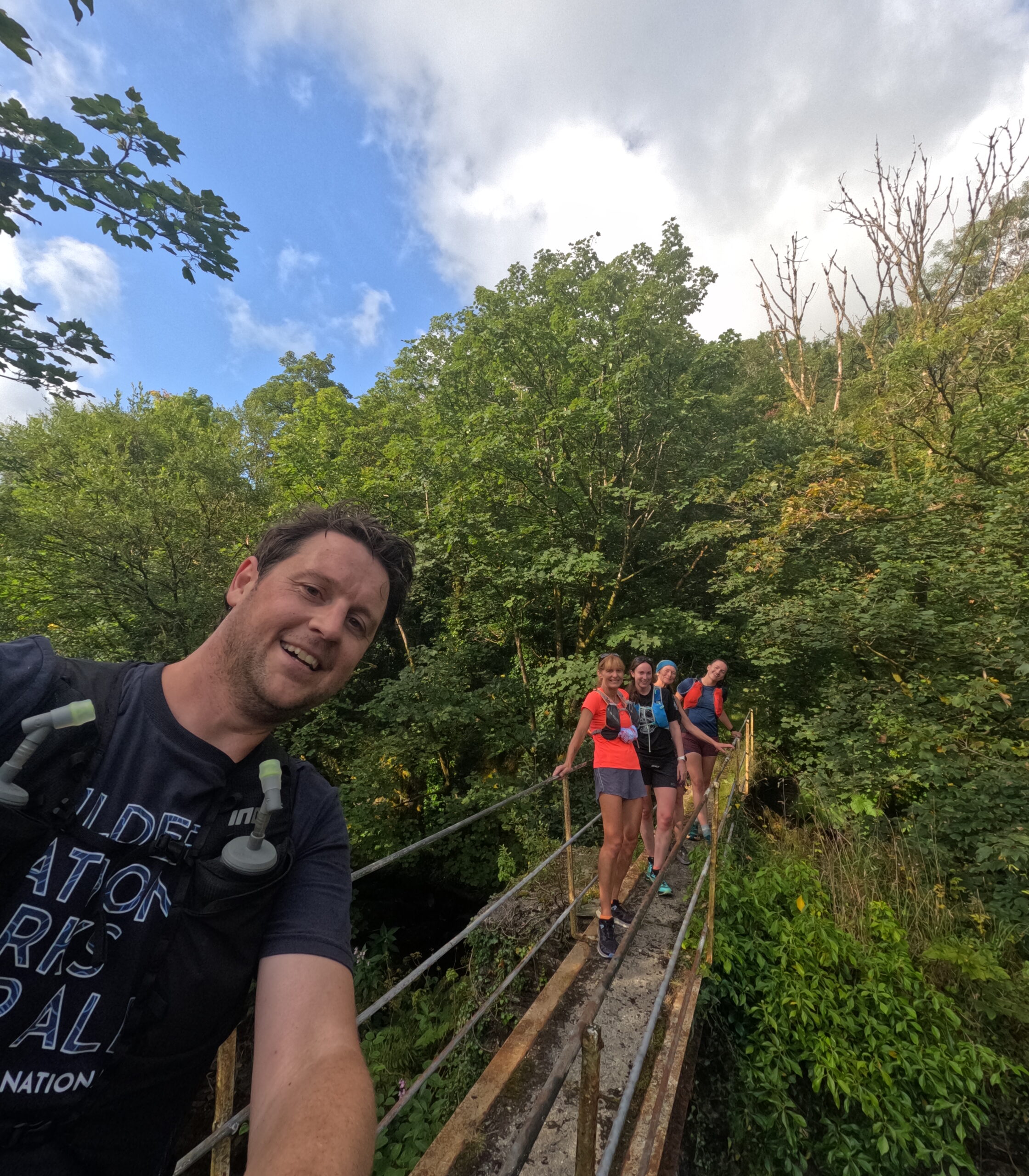
Gareth and the runners
From our experience running down the length of the Cleddau on just one warm summer’s day, it was clear how neglected the river’s health has become over generations, and how upstream pollution is also affecting the Marine environment which is at risk of becoming a nutrient vulnerable zone. It was also clear just how difficult it is for the public to truly appreciate the state of the river at first sight. Look across the beautiful estuary, or a shady riverbank in high summer, and you would likely think everything is okay (I certainly have in the past), but getting close to the water and speaking to knowledgeable local people opens your eyes to the true state of the river at a much deeper level.
We know that the public passionately care about clean rivers, but whilst some heads are turning, and some agricultural practices are changing; the improvements are achingly slow, all whilst the state of nature continues to nosedive. Campaign for National Parks will continue to stand up for the important role National Parks have to play in forthcoming water reforms.
We’re demanding urgent action from Government in England and Wales to protect and prioritise National Park waterways.
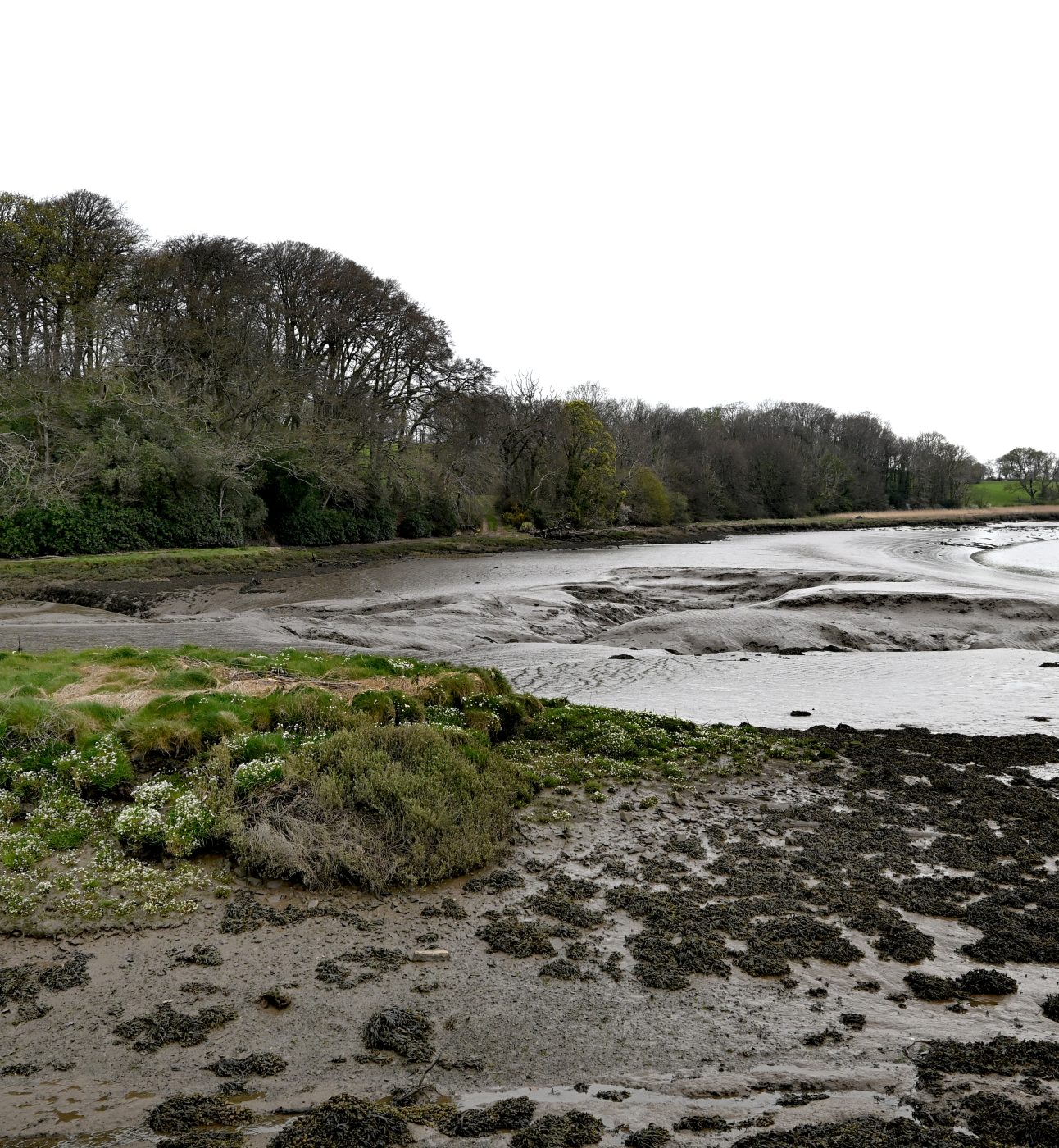
Polluted to the brink from source to sea, this once thriving river in Pembrokeshire Coast has seen an alarming decline in health.
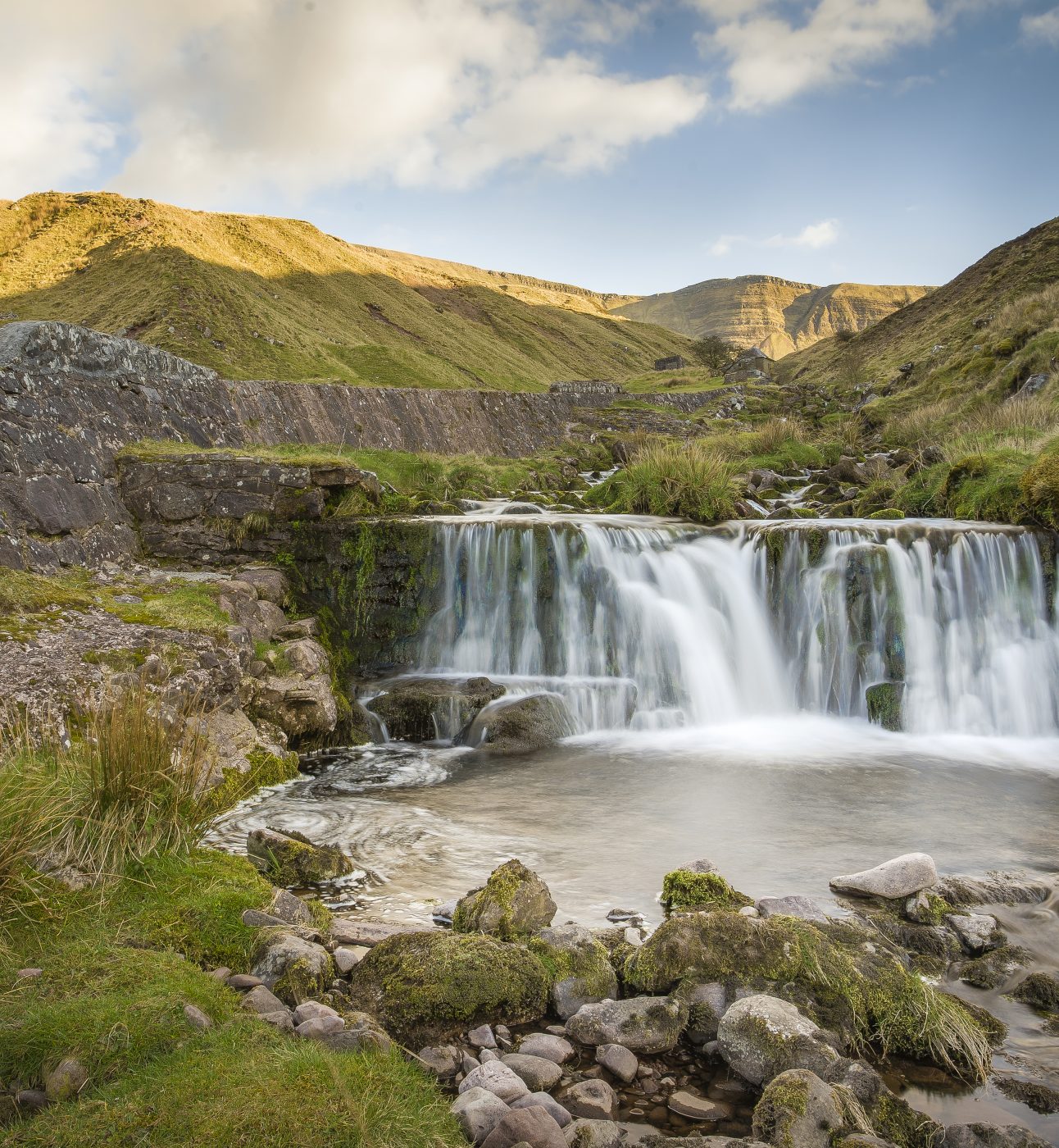
In partnership with the Rivers Trust, our Rivers at Risk Report sets out the latest full assessment of the state of rivers in National Parks of England and Wales.