

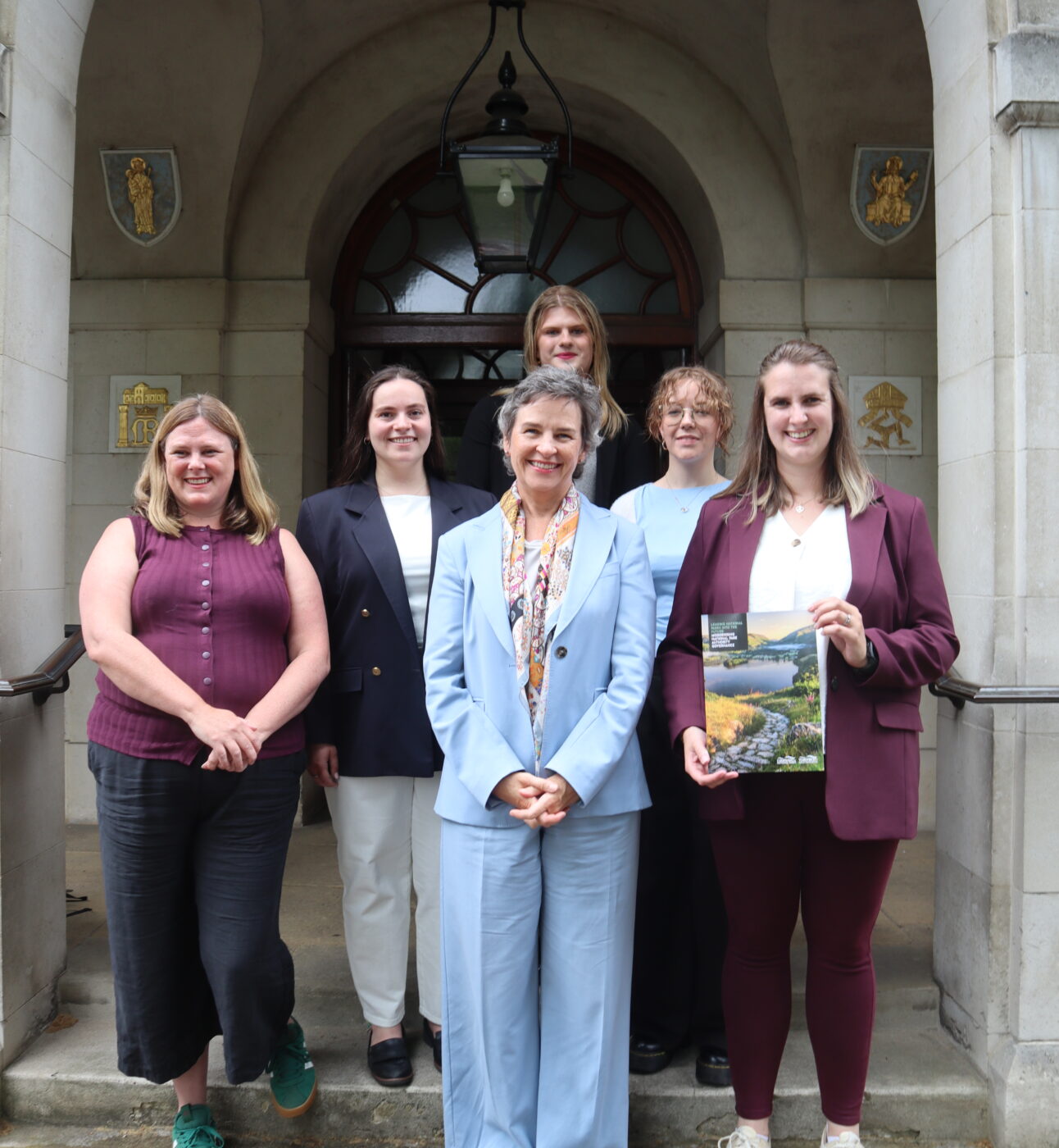
Discussing National Park Governance with the Minister for Nature
We held an event in Westminster this week to discuss our recent report on National Park Authority governance with Mary Creagh, the Minister for Nature.
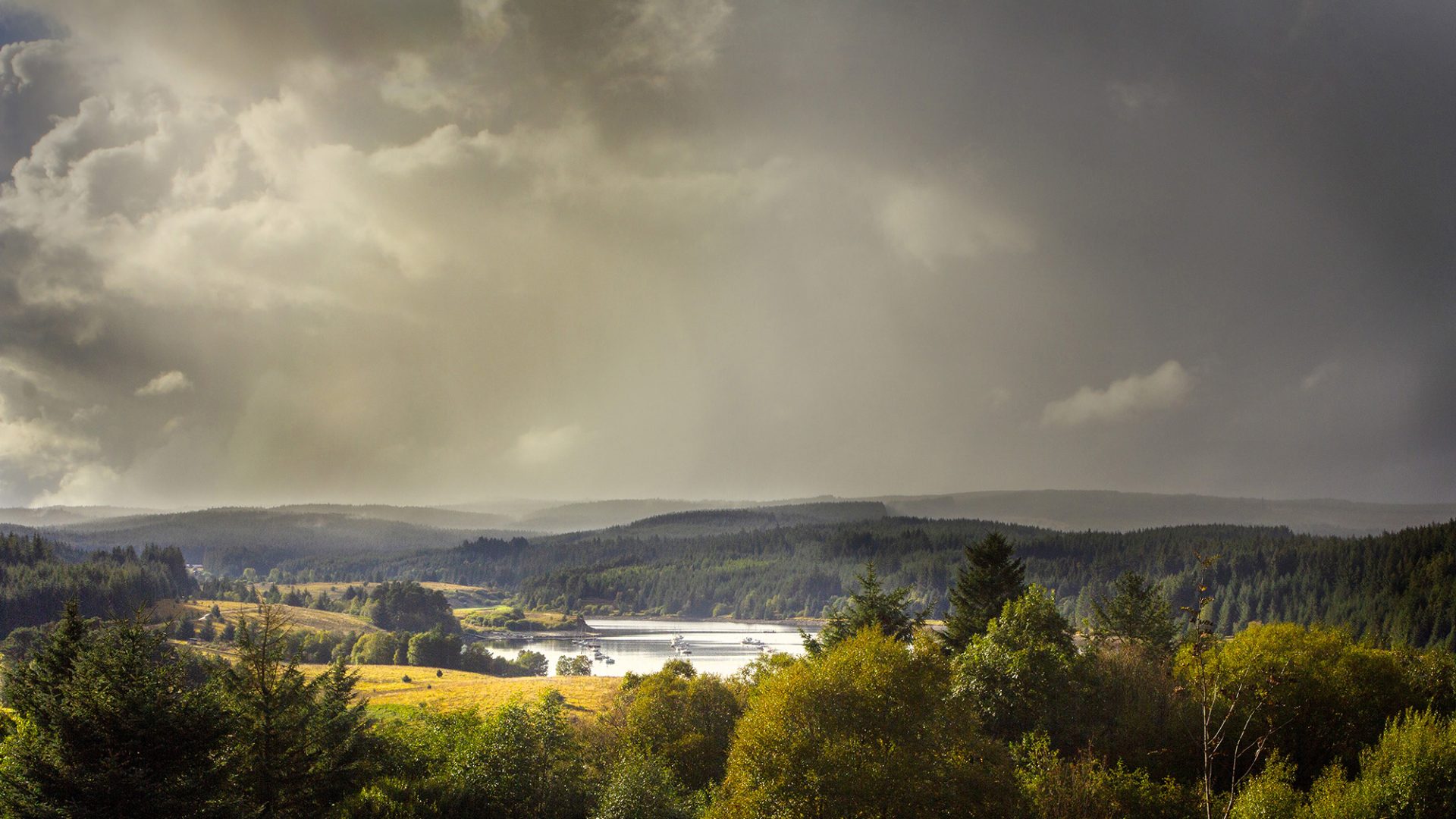
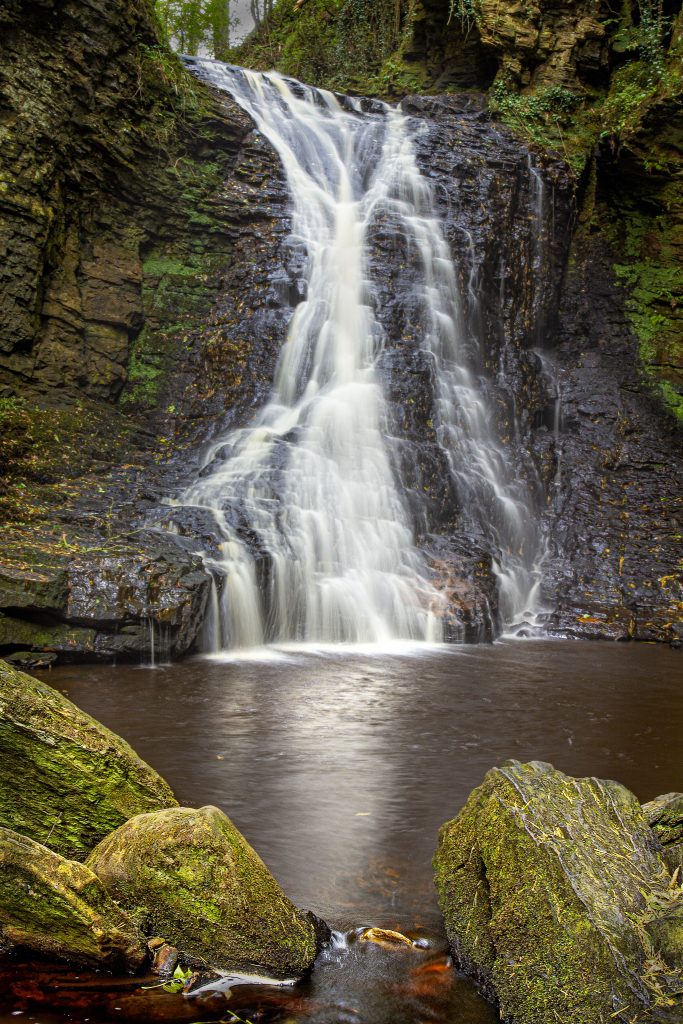
One of the most tranquil places in the country, Northumberland National Park is the northern most National Park in England.
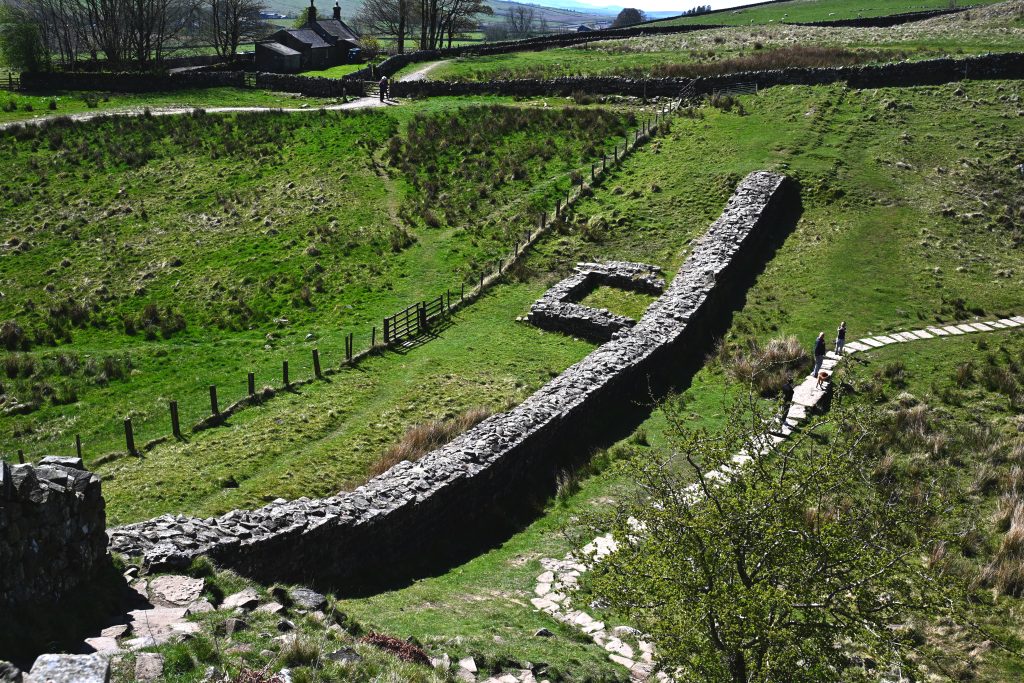
Home to iconic Roman ruins such as Hadrian’s Wall, The Cheviots and the darkest skies in England, Northumberland National Park is one of the least visited but still captivating National Parks in England and Wales.
Northumberland has some of the lowest levels of light pollution in England, making it one of the best places in the country to go stargazing. Offering pristine views of millions of stars as far away as Andromeda (2.5 million light years from Earth), it forms part of the first International Dark Sky Park to be designated in England (in 2013).
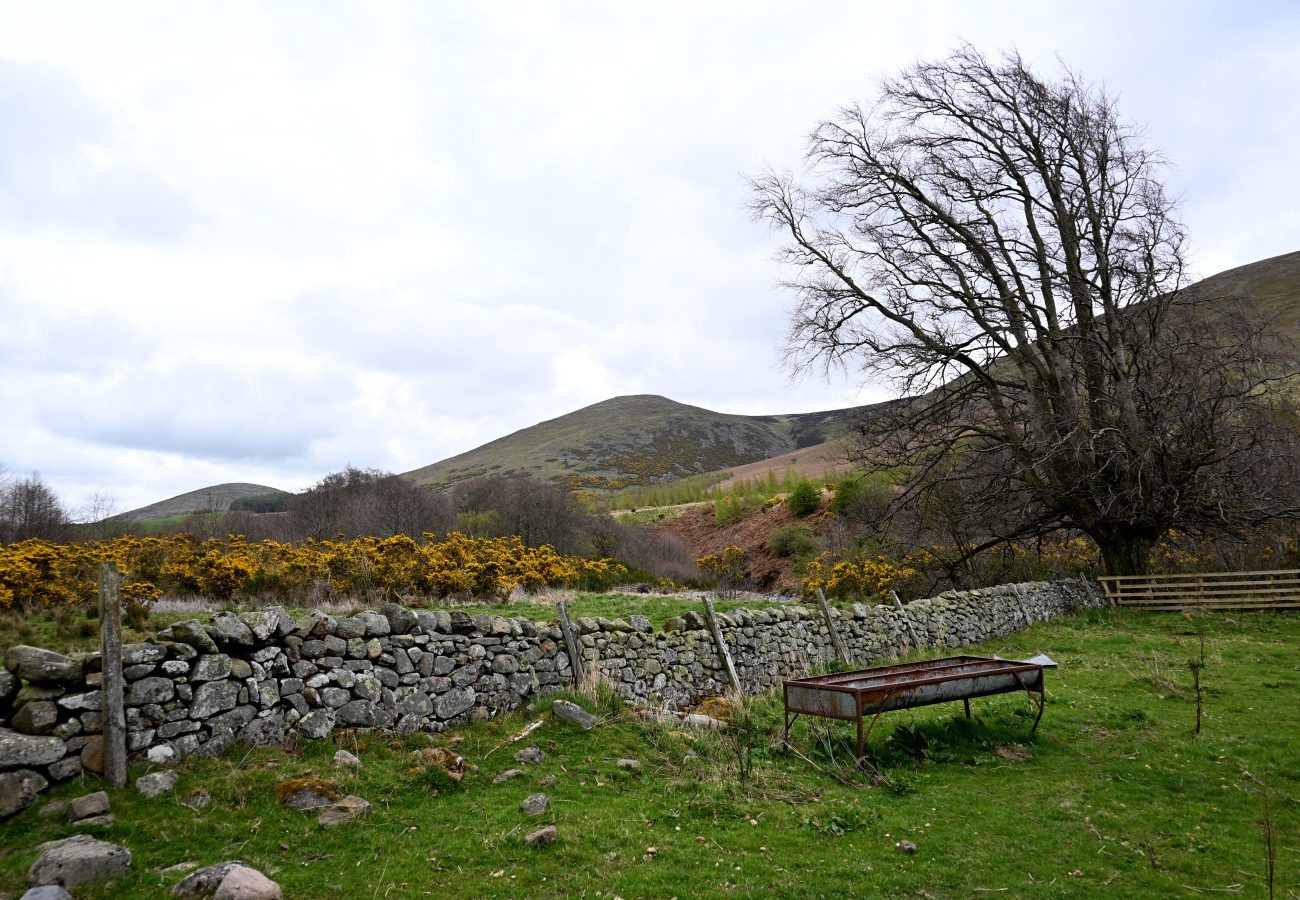
Did you know? Northumberland is the least populated National Park.
Designation: 6 April 1956
Habitats: Moorland, hay meadows, peatland, ancient woodland
Common wildlife: Goats, bumblebees, roe deer, barn owls, salmon, waders including lapwing, oystercatcher and curlew
Star spots: Red squirrels, black grouse, otters
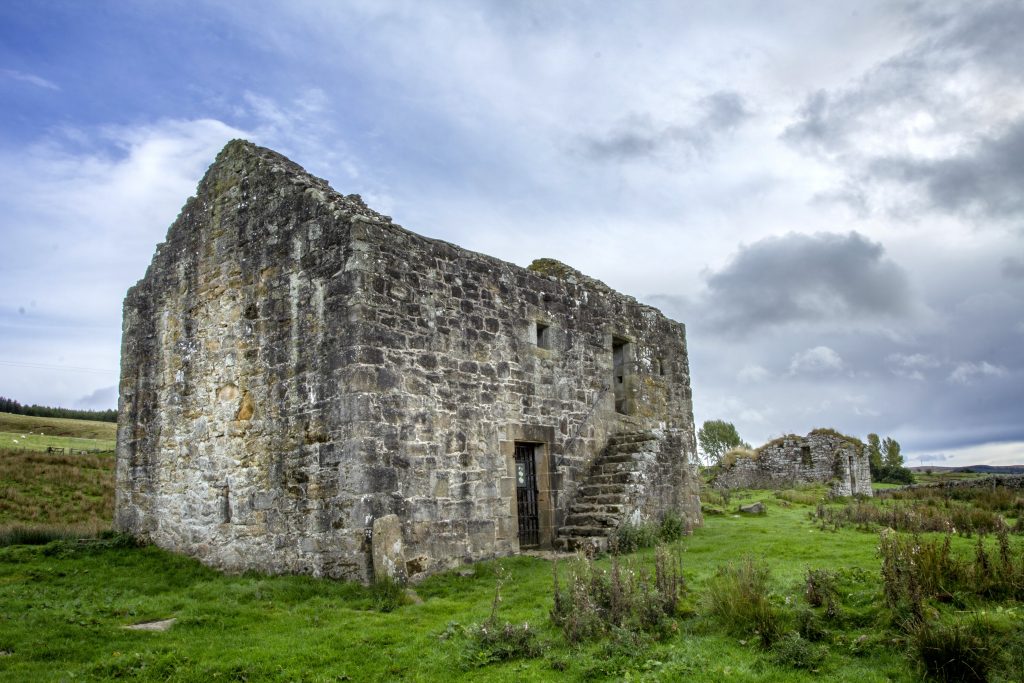
Notable towns and cultural sights: Hadrian’s Wall, Pele tower ruins
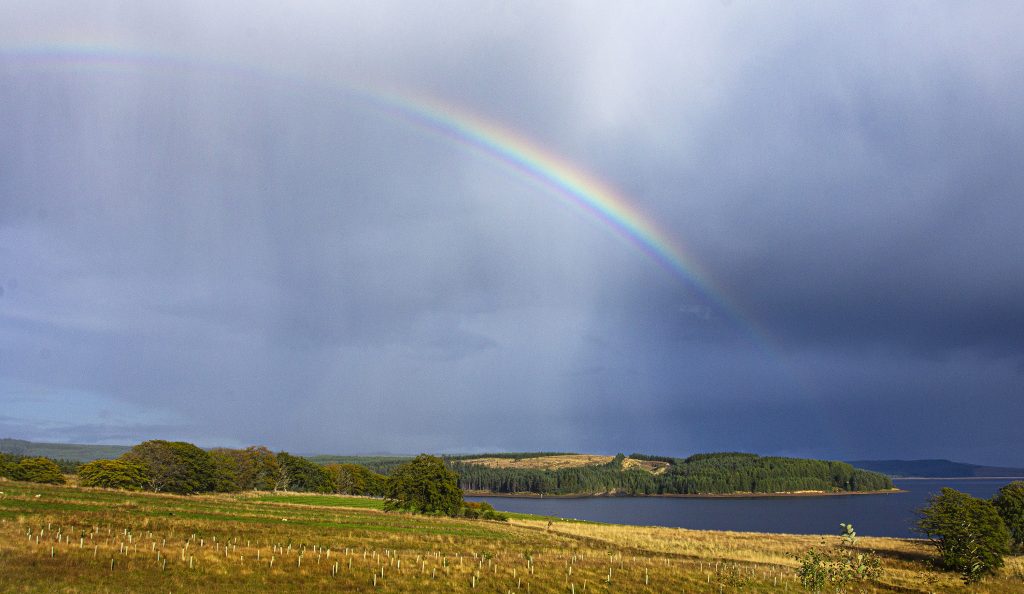
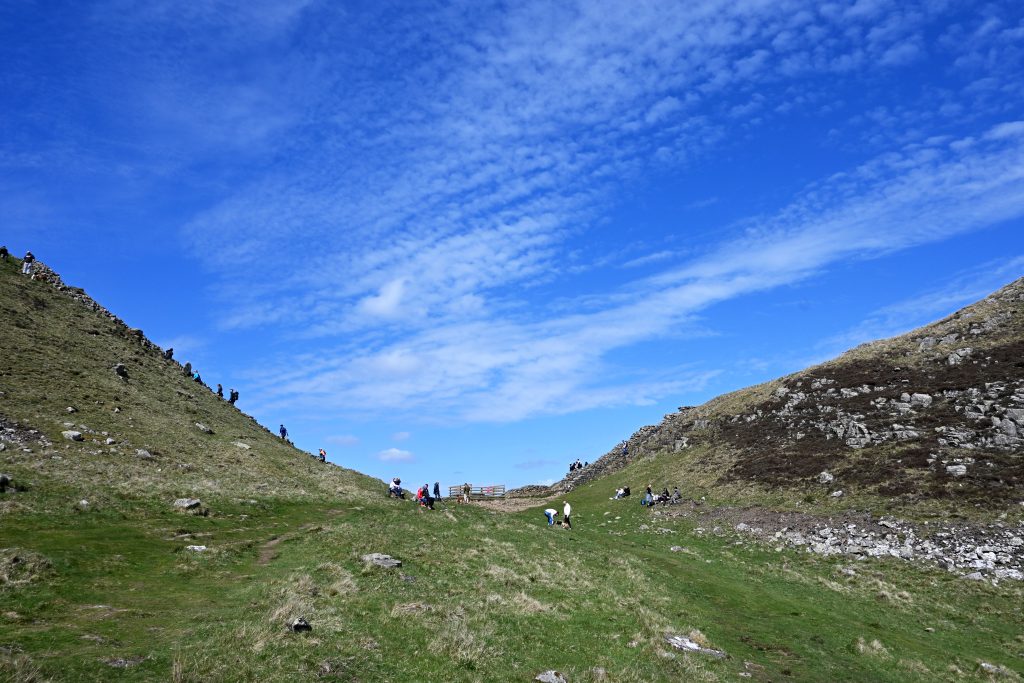
Notable nature sights: Kielder Forest, Stell rigg
Popular activities for visitors: Stargazing, hiking, hill climbing
Highest peak: The Cheviot at 815 meters above sea level
Annual visitor numbers: 1.73 million in 2019
Threats: Increasing pressures from farming, climate change, industry, overdevelopment
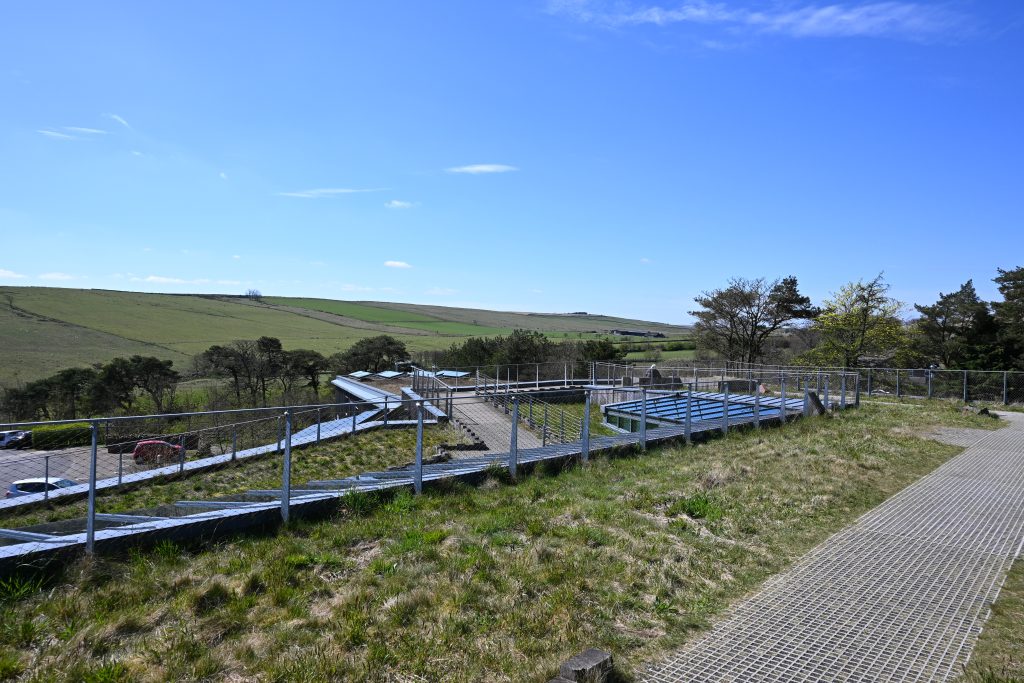
We held an event in Westminster this week to discuss our recent report on National Park Authority governance with Mary Creagh, the Minister for Nature.
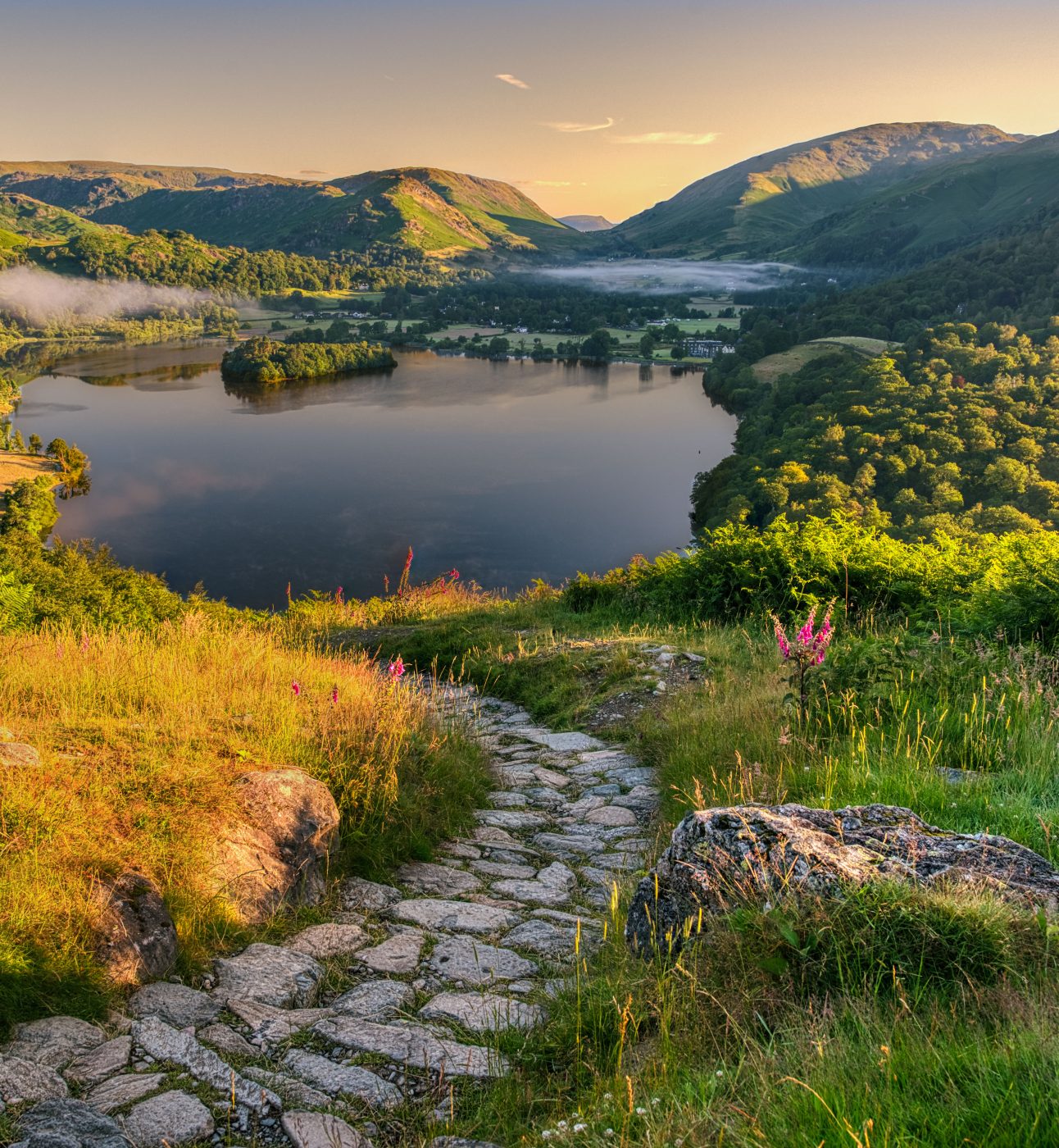
We’ve launched our new report ‘Leading National Parks into the Future: Modernising National Park Authority Governance’.
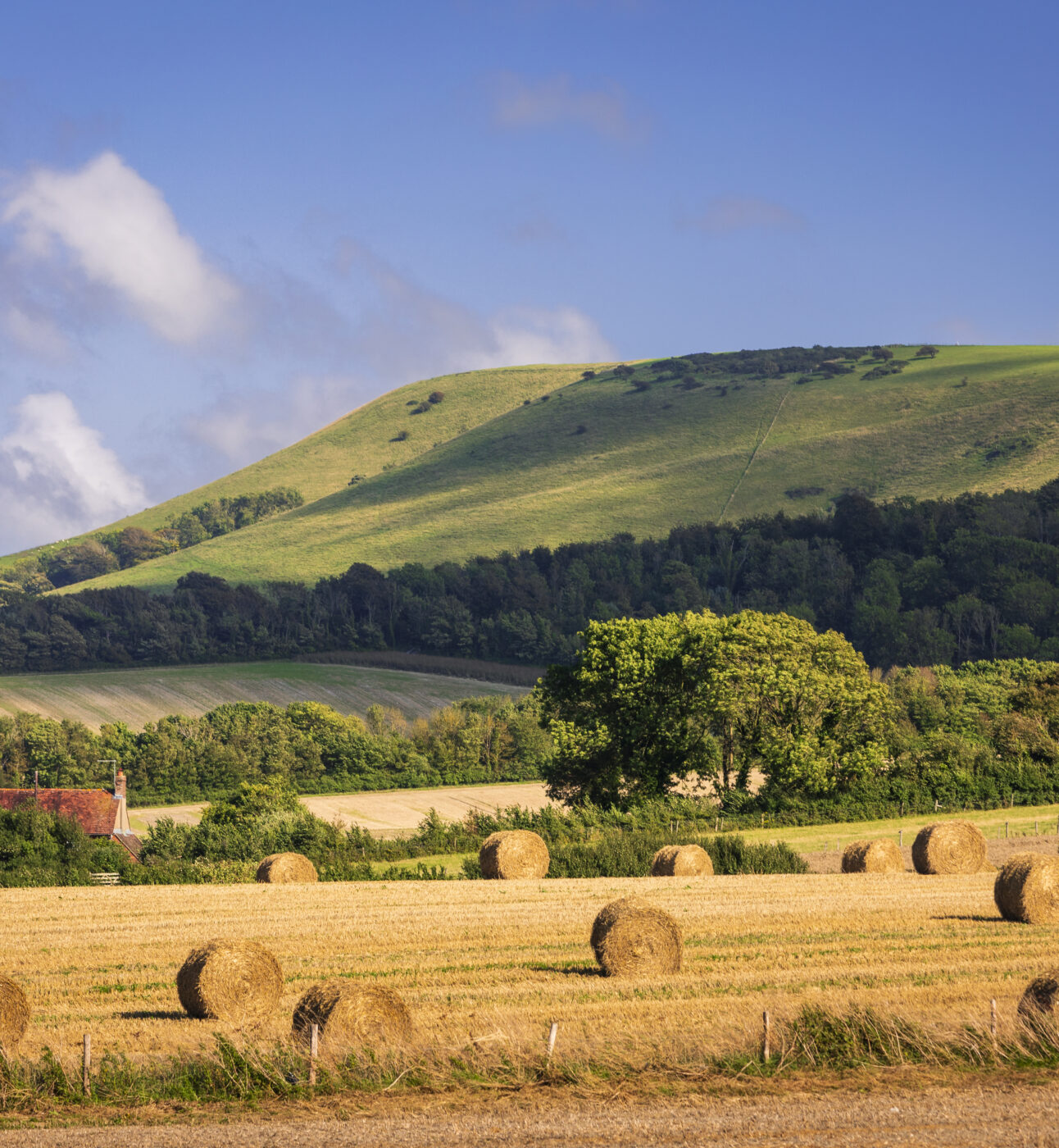
UK Government steps back from full Nuclear Task Force proposals on protected landscapes — but announces changes in law to “constrain” protections