

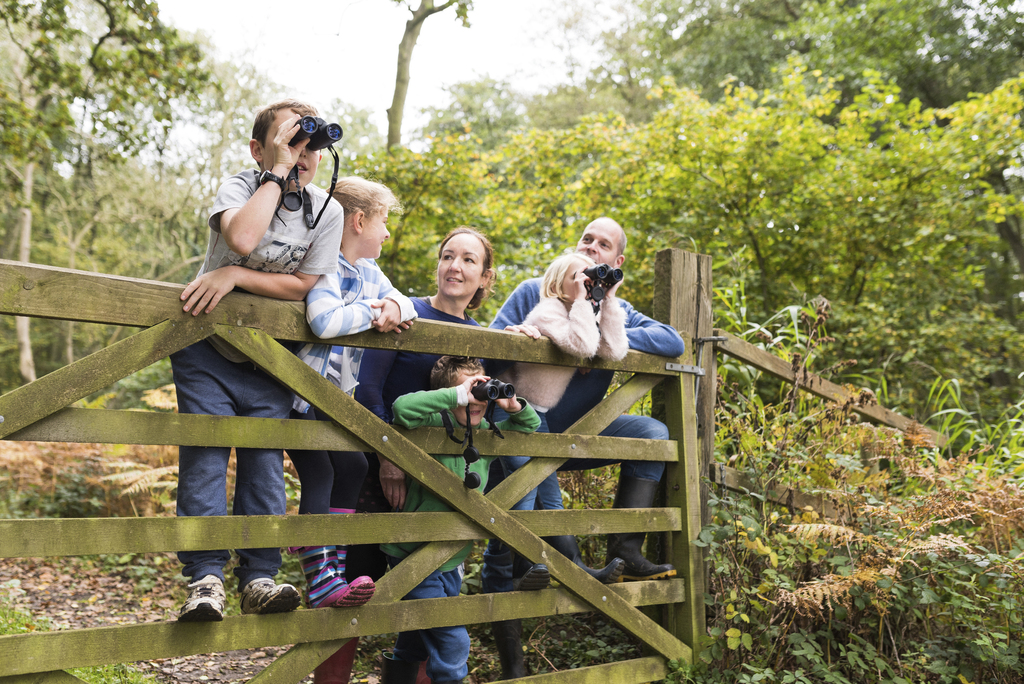
Nature experts needed on Boards
Meriel Harrison, Senior Policy Officer (Sites) at RSPB, explains why National Park Boards need to harness expertise for nature’s recovery.
Published: 8 July 2026
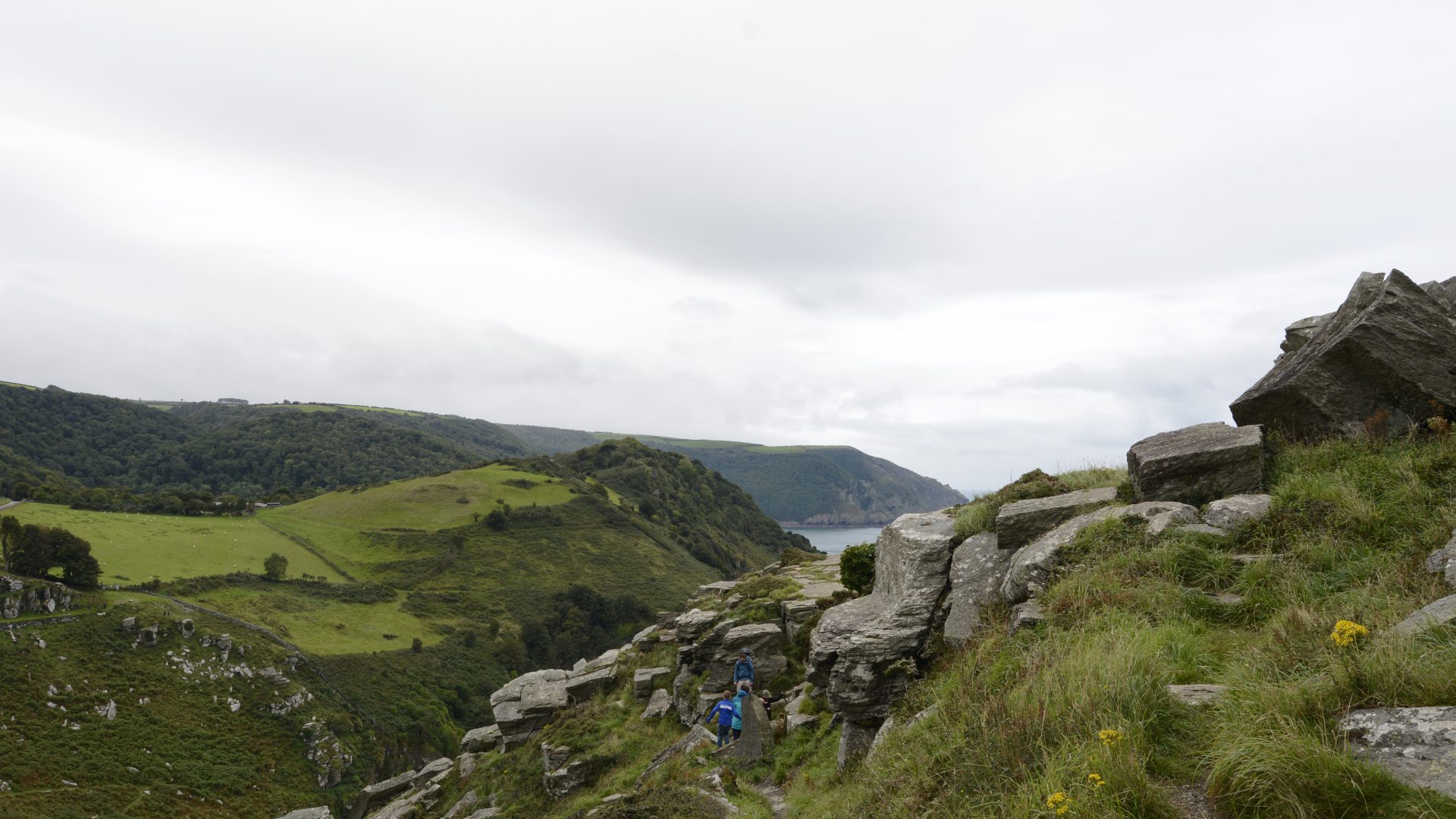
This month I stepped down as a Secretary of State appointed member of the Exmoor National Park Authority (NPA), after six mostly happy years in the role. Exmoor NPA is an impressive organisation, with strong leadership, achieving good results in the context of constrained resources. Nonetheless, the recent Campaign for National Parks report reflected my misgivings about the way NPAs are structured. This short article responds to that report with examples from my own experience.
I was recruited to Exmoor NPA for my expertise, with both local knowledge of Exmoor and international experience relevant to the statutory purposes. Yet my observation is that member skills are rarely called upon, even when the Authority is engaged in work falling squarely within our professional domains. This is not a failure of goodwill. It is structural. The format of Authority meetings – familiar to local government members, shaped by officers, and weighted towards compliance – makes it difficult for SoS members to see where their expertise is relevant or welcome.
Board size compounds the problem. The argument for retaining large boards is that it enables workload to be shared evenly. This does not accord with my experience. Work outside formal meetings (sub-committees, partnership boards, task panels etc.) falls on a core of active members, disproportionately SoS and parish appointees. The board’s size creates an illusion of shared capacity that does not exist in practice. Reducing board size, as Campaign for National Parks recommends, would only work if accompanied by a rethink of how member expertise is used between formal meetings, not just within them. NPAs could be greatly strengthened, and more rewarding places to serve, if officers and members developed a better appreciation of their respective areas of expertise and how they can work together.
These are structural arguments, and the Campaign for National Parks reforms address them well. But there is a prior question the report does not fully tackle: what kind of relationship with landscape should NPA board members be expected to have, and how should that relationship inform the way boards deliberate and decide?
My professional work takes me to communities in eastern Indonesia and Melanesia engaged in stewardship of landscapes of global ecological and cultural significance. What strikes me, living and working with these communities, is that they begin from a place of emotional and spiritual connection to their landscape. They articulate what the land means to them, and to those who will come after them, before they address the details of any project or decision. That act of continually recalling and revitalising their connection to place is understood as the essential work of stewardship. The projects are secondary.
My experience on the Exmoor board was almost the opposite. In six years, I cannot recall an occasion when the board gathered simply to discuss what ‘natural beauty’ means to us as individuals, or what we believe Exmoor should be for people who have not yet visited it. We debated forestry, eagles, solar panels and rights of way; but usually in a technocratic register, rarely from a shared sense of what we were ultimately there to protect and why. When members asked how we would feel if the landscape had more trees, the conversation would not lead anywhere, because we lacked a framework for engaging with our responses to heritage, views, nature and place. I don’t think this is unique to Exmoor National Park Authority. It reflects something in the institutional culture of NPAs, and perhaps something more broadly British about discomfort with that kind of conversation. But that discomfort has consequences. A board that has never collectively articulated its own connection to the landscape it governs will struggle to weigh trade-offs well, recruit the right people, or explain its decisions in terms that resonate with the public.
The risk of failing to unpack these issues properly is that assumptions remain untested, nostalgia is crystallised into policy and adaptation becomes more challenging. This is why I’d encourage Campaign for National Parks to widen its interpretation of expertise. Filling boards with conservation experts will not in itself lead to nature recovery; NPAs already employ officers with relevant technical knowledge. The expertise that is harder to find, and more important to cultivate, is relational and visionary: people from diverse backgrounds who understand where stewardship of nature sits within the social, cultural and economic spheres; who can hold and communicate a vision for protected landscapes; and who bring to the boardroom the same quality of connection to place that sustains stewardship communities everywhere including, at its best, on Exmoor.
Meriel Harrison, Senior Policy Officer (Sites) at RSPB, explains why National Park Boards need to harness expertise for nature’s recovery.
Campaign for National Parks Chair of Trustees Andrew McCloy introduces our new report and how we're committed to embedding social justice within our organisation.
Our report Leading National Parks into the future: modernising National Park Authority governance, sets out clear and achievable recommendations grounded in research.