South Downs National Park

Designated on 31 March 2010

From the towering chalk cliffs and bird-filled wetlands of the coast, to the green slopes of the western weald, the South Downs National Park packs a lot into its long footprint. Ancient ruins, mysterious copses, historic houses, great food, award-winning vineyards and some of the country’s most beautiful scenery draw you in for days where wilderness and luxury mix with the greatest of ease.

In this guide, we’ll lay out lovely walks and unmissable spots for lunch, as places to make your own souvenirs, sample some wine, learn some history or even have your hair stand on end. There’s simply bound to be something that’ll spark a lifelong love affair with our newest, most accessible and often underrated National Park.

Walking

Old Winchester Hill

St Catherine’s Hill from Winchester (WEST)

Start/endpoints: Garnier Road car park

Old Winchester Hill

St Catherine’s Hill from Winchester (WEST)

Start/endpoints: Garnier Road car park

Distance: 1.5m, elevation: 265ft, difficulty rating: 1/5

Start/endpoints: Garnier Road car park

Longer versions of this loop are available, taking in Twyford Down as well as the eponymous hill, but nipping up from town is more than enough to set your South Downs trip off on a great start. You could pop out first thing in the morning, look down on the cathedral shining in the early light to your east and the green downs stretching out for miles to the west, then head to the Handlebar Cafe, right next to the car park, for breakfast before strolling around Winchester itself.

Gilbert White walk, Selborne (WEST)

Start/endpoints: Gilbert White’s House, nr Selborne Arms

Gilbert White walk, Selborne (WEST)

Start/endpoints: Gilbert White’s House, nr Selborne Arms

Distance: 5mi, elevation: 611ft, difficulty rating: 2.5/5 

Start/endpoints: Gilbert White’s House, nr Selborne Arms

The naturalist and clergyman Gilbert White, writing in the mid to late 1700s, helped lay the foundations for modern thinking about the natural world, noting the interconnectedness of nature and distinguishing between species by minor but significant differences. His Natural History of Selborne hasn’t been out of print since its first publication and this easy walk gives you the chance to explore the land which inspired it. The house and immediate gardens have been restored to how they looked in his lifetime, while the surrounding common land is a pleasant stroll with some high points from which you can take some detailed observations of your own.

Arundel to Amberley (CENTRAL)

Start/endpoints: Arundel Station - Amberley

Arundel to Amberley (CENTRAL)

Start/endpoints: Arundel Station - Amberley

Distance: 6.5mi , elevation: 250ft , difficulty rating: 2/5

Start/endpoints: Arundel Station – Amberley 

Starting at the station makes this a great walk for anyone going car free, of course, but it also gives the route a pleasant sense of transition, as you leave bustling Arundel behind and make your way to the far quieter Amberley. The trail has some sections early on that follow roads, but then tracks the river Arun for a long stretch, makes a couple of climbs and dives into woodland at one point, making it much more varied than you might expect, as it’s often described as a riverside walk. You could walk the return leg and double your distance, but the train line runs between the two, so spending a bit of time in The Bridge or The Black Horse before rattling home in comfort might tempt you to change your plans.

Petworth/ Tillington to Midhurst (CENTRAL)

Start/endpoints: Petworth/Tillington or Midhurst

Petworth/ Tillington to Midhurst (CENTRAL)

Start/endpoints: Petworth/Tillington or Midhurst

Distance: 5.5mi , elevation: 750ft , difficulty rating: 3/5

Start/endpoints: Petworth/Tillington or Midhurst

With the No.1 bus running between all three villages, this is a lovely route to do as an out-and-back. It’s part of the recently created Midhurst Way, a 29-mile trail which runs from Haslemere to Arundel, roughly in the middle of the National Park. Along the way, you’ll walk down the Jubilee Avenue, comprised of 60 lime-trees planted in celebration of the Queen’s Diamond Jubilee and past Steward’s Pond, by which you’ll see the 1000-year-old Queen Elizabeth Oak, along with a few other ancient trees which dot the slope of the hill. Starting from (or finishing at) Petworth gives you the opportunity of looking round National Trust Petworth, but you’ll only miss a mile or so if you start or stop at Tillington.

Cuckmere River

Seven sisters to Eastbourne (EAST - South Downs Way)

Start/endpoints: Seven Sisters Visitor Centre

Cuckmere River

Seven sisters to Eastbourne (EAST - South Downs Way)

Start/endpoints: Seven Sisters Visitor Centre

Distance: 8mi, elevation: 636ft , difficulty rating: 3/5 

Start/endpoints: Seven Sisters Visitor Centre

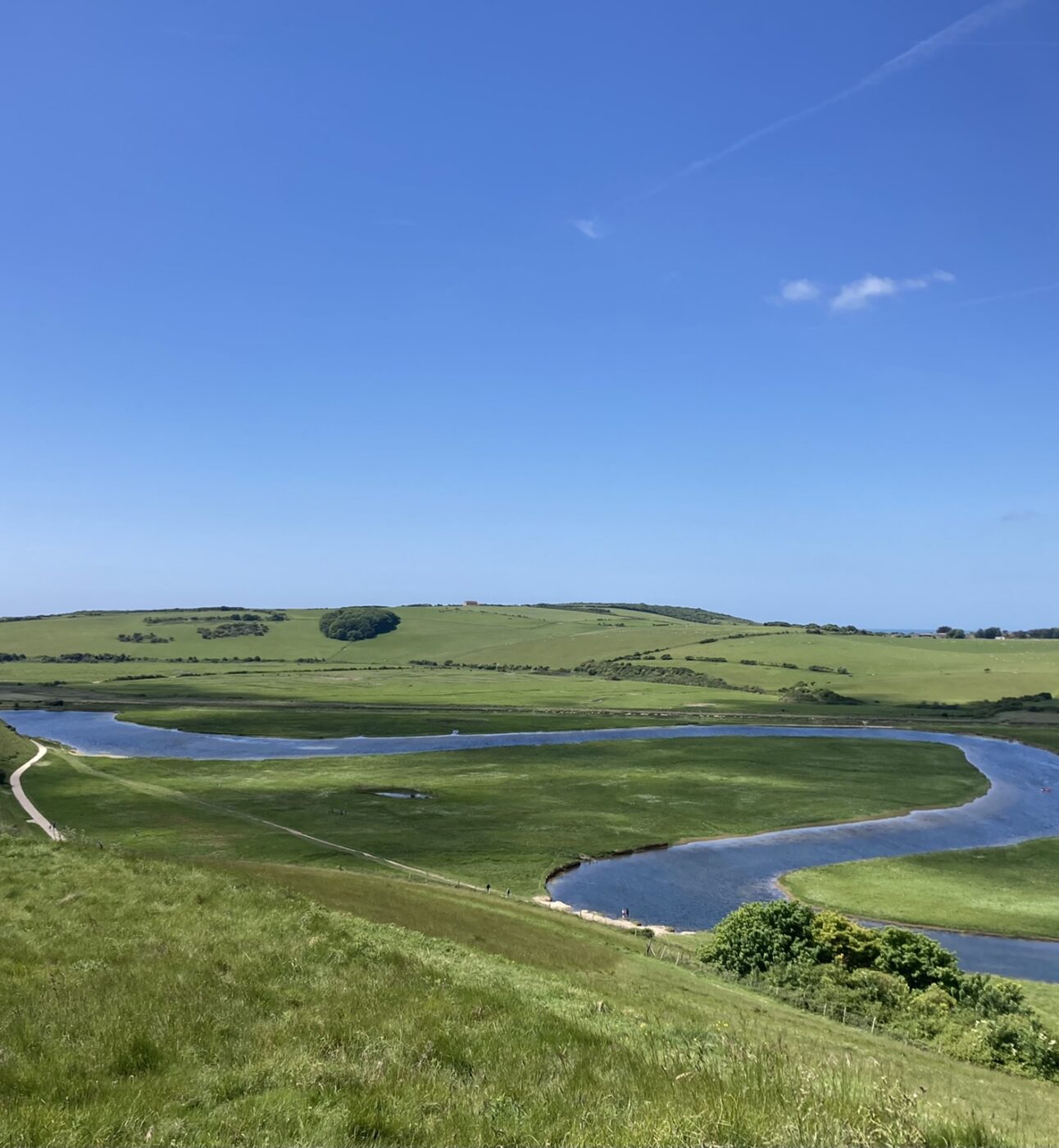
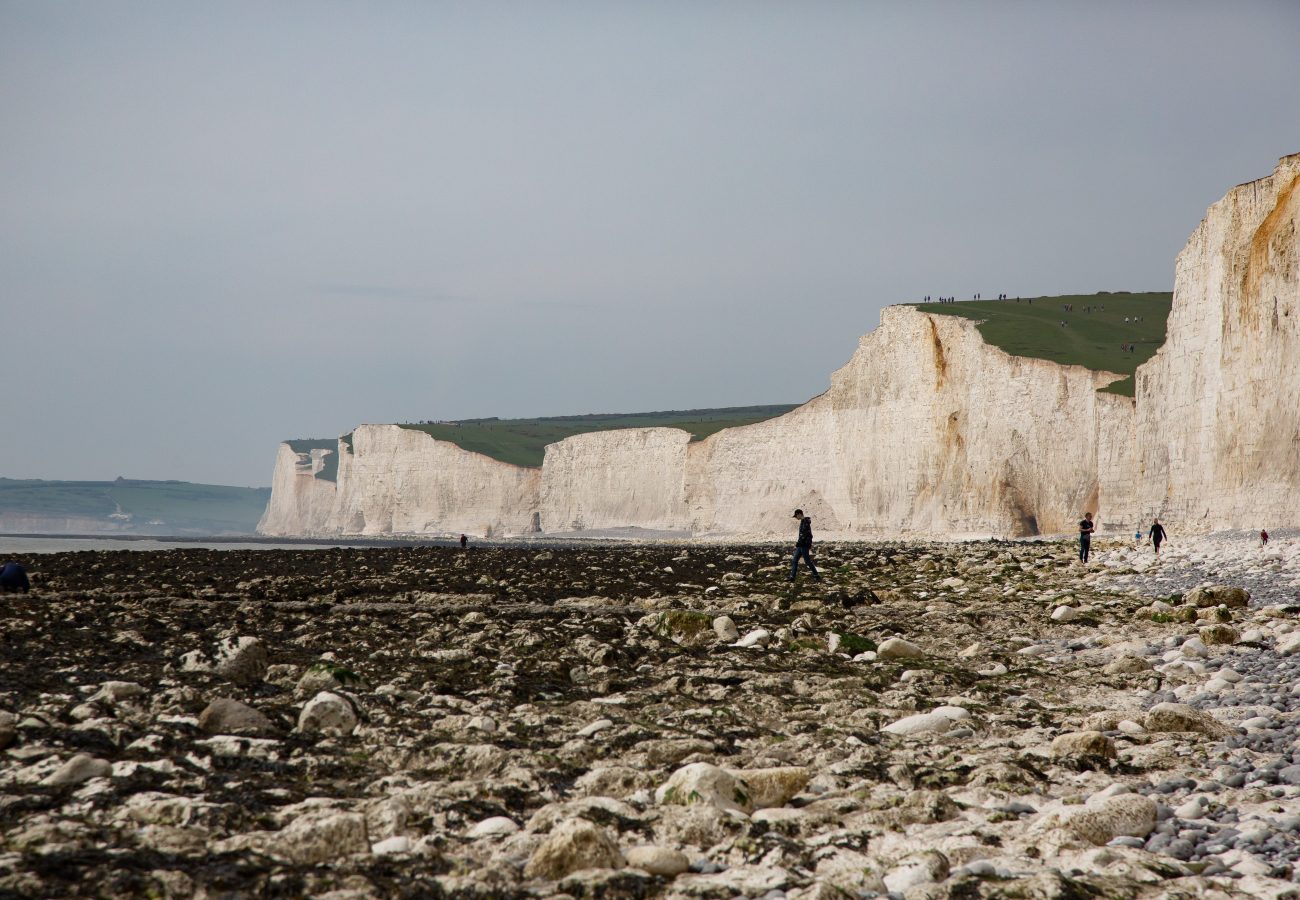
It would be hard to talk about the South Downs National Park and not mention the Seven Sisters, the iconic, undulating white cliffs which run along its southern edge. It’s a popular beauty spot and the paths can be crowded in the peak of summer, but in the shoulder months it makes a quieter yet equally scenic walk. The No.12 bus can take you out from Eastbourne to the Seven Sisters Country Park Visitor Centre and the trail picks up right from the bus stop, heading down to the coast with views of the Cuckmere river, before tracking the rises and falls of the cliffs themselves. While it looks almost straight, the curves of the great white wall mean the view is always changing and you’ll see some stunning sights, especially if you time your walk to take in a fiery sunset on the pale chalk.

© Hugo Healy

Hassocks to Lewes (EAST - South Downs Way)

Start/endpoints: Hassock station or The Hassocks pub

Hassocks to Lewes (EAST - South Downs Way)

Start/endpoints: Hassock station or The Hassocks pub

Distance: 11mi, elevation: 1350ft, difficulty rating: 4/5

Start/endpoints: Hassock station or The Hassocks pub

One of the most scenic stretches of the South Downs Way, this longish hike will test you with a climb or two but reward you with a stroll past the famous Jack and Jill windmills, Clayton Church and Butcher’s Wood, with lovely views both out to sea and inland. It also offers the ever-enjoyable prospect of finishing a hike in Lewes, a charming county town with some great pubs and shops as well as a castle peering down on it from a hilltop. You can start directly from the station, which makes it yet another good car-free option, although you’ll need to make sure you leave plenty of time if you think the hills will slow you down and make it a long day.

Other things to do

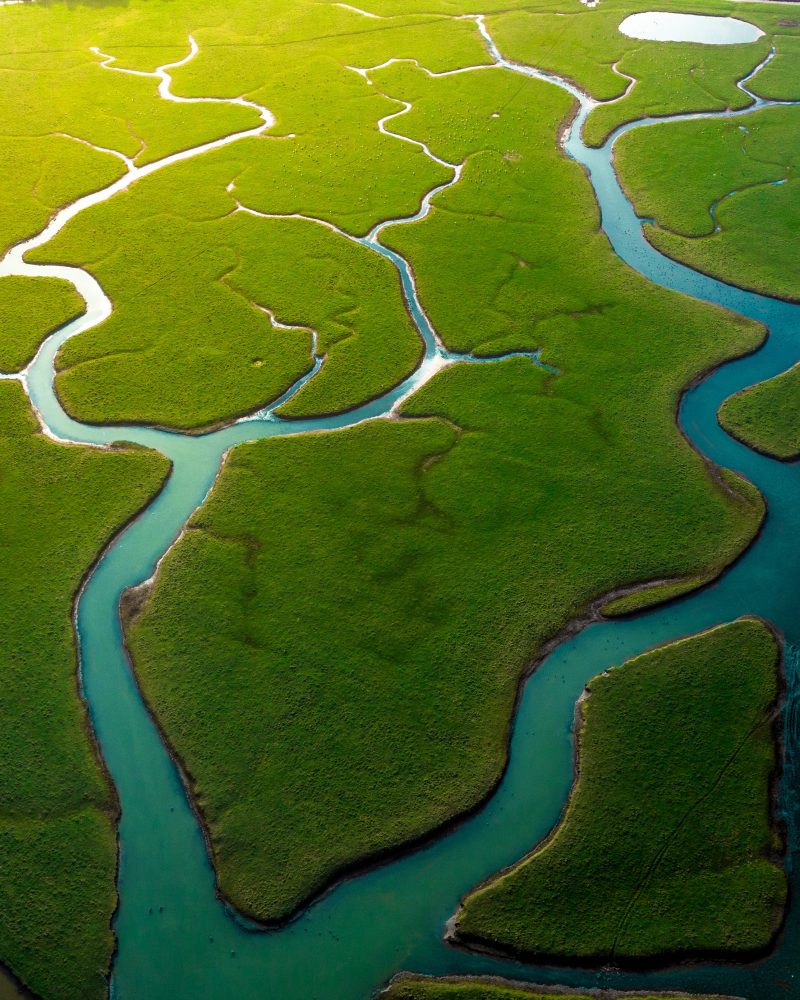
If you take the bus out to the Seven Sisters visitor centre and walk down to the coast, you’ll sort of get views of Cuckmere Haven for free, as it spans the river which you follow down to the cliffs. If you’re visiting in spring though, and you’re the sort of person who can tell a swallow from a swift in the space of a wingbeat, it’s worth a little detour. The wetlands and mudflats, the Chyngton area of which is part of a superb restoration project, are bustling wildlife reserves in which year-round and migratory bird species thrive. You’ll have few better chances to spot a black-tailed godwit!
At just over 800ft above sea level, Ditchling Beacon is the highest point in East Sussex and, although it’s beaten to being the highest point in the park by a couple of slightly loftier spots, it’s a lovely and convenient climb. If you’re dipping into the park from Brighton, you can be out and back in less than a morning, with the marvellous views of the sea and hills still in your mind’s eye as you sit down to brunch. As the name suggests, it was used as part of a network of signal fires, including being lit in 1588 to herald the sighting of the Spanish Armada and presumably serve as an excuse for losing at bowls.
This prehistoric hill fort might not look like much anymore, with some ditches and the shape of the site being the only relics of its original inhabitants. Even the faint remains of the temples built during the Roman era are mostly underground, but there are two compelling reasons to make the walk up if you’re in the area. Firstly, it’s a good chance to get some height and some lovely views. Secondly, it might test your mental fortitude. The ring is famed as one of the most haunted, bizarre and generally spooky places in the country, with many stories of disorientation, discomfort and inexplicable experiences from its visitors. Enter if you dare!
Looming above the town on a man-made hill, Lewes Castle commands superb views of the surrounding countryside, exactly as was intended by its Norman builders. You can climb up a tight spiral staircase to peer out and watch for invaders (presumably coming down from London these days, rather than from the sea), or stroll the two gardens and see the famous Russian Cannon, a trophy from the Crimean War. The Sussex Archeological Society, who run the castle, have a number of other sites nearby, such as Anne of Cleves House, Michelham Priory & Gardens, and Fishbourne Roman Palace, and you could spend a happy and historic day hopping between them.
Wine production has been a part of the South Downs, since long before the name was coined, with the Romans making good use of the sloping land. The Stopham vineyard tour is a lovely walk and sampling session, while further east, Rathfinney offers some award-winning wines and Ridgeview has panoramic views over the downs from its fabulous tasting room.
Amberley Museum is worth a visit for the old open-top bus, the little steam train or the demonstrations of blacksmithing alone, but you can also make yourself a fine souvenir. Book onto a course with The Amberley Bodger, a woodworking expert with years of experience in guiding total novices through the turns of a lathe, and you’ll take home a rustic stool at the end of the day. Whether you sit on it or not is down to your faith in your own skills.
The shell of the grand manor of Cowdray still stands empty after fire ripped through it in 1793, but it is far from a desolate spot. The old crenellations now look down upon a progressive and diverse estate, where regenerative land management, eateries and a superb farm shop sit alongside space for therapy treatments, walled gardens for gentle wanders and a maze for more maddening ones. If you really want to get to know the area though, book a foraging tour and rummage in the woods and hedgerows with an expert guide to the flavours and uses of everything you find.
This stately Georgian house was faithfully rebuilt in 1960 after a fire destroyed the original, and is now home to a fine collection of ceramics and art. A stroll of the grounds and a browse of the artifacts would already make a pleasant couple of hours, but there’s more to be found in the stable yard, which boasts a lovely cafe and a second hand bookshop where you can pick up something to pass the kind of quiet afternoon to which the South Downs lends itself so perfectly.
Walking here, among the ancient woodland, you feel the incredible depth of time. There are prehistoric burial mounds, chalk grasslands and a yew forest that’s been a source of everything from druidic medicine to the wood of longbows. It’s a dappled and beautiful place to come in summer, while a haunting one in winter, when frost gives the gnarled trunks of the tree an even more fantastical appearance.

DID YOU KNOW?
The name of Beachy Head, the most famous point on the park’s coast, has a slightly more tangled history than you might imagine. The spot is recorded as 'Beauchef' in 1274, from the French for "beautiful headland" and is later seen written as ‘Beauchief’. So rather than directly indicating a headland with a nearby beach, it instead expresses a lack of understanding of, or total disdain for, our neighbours across the channel.

Beachy Head © Dawn Brown
Seven Sisters in the South Downs

DID YOU KNOW?
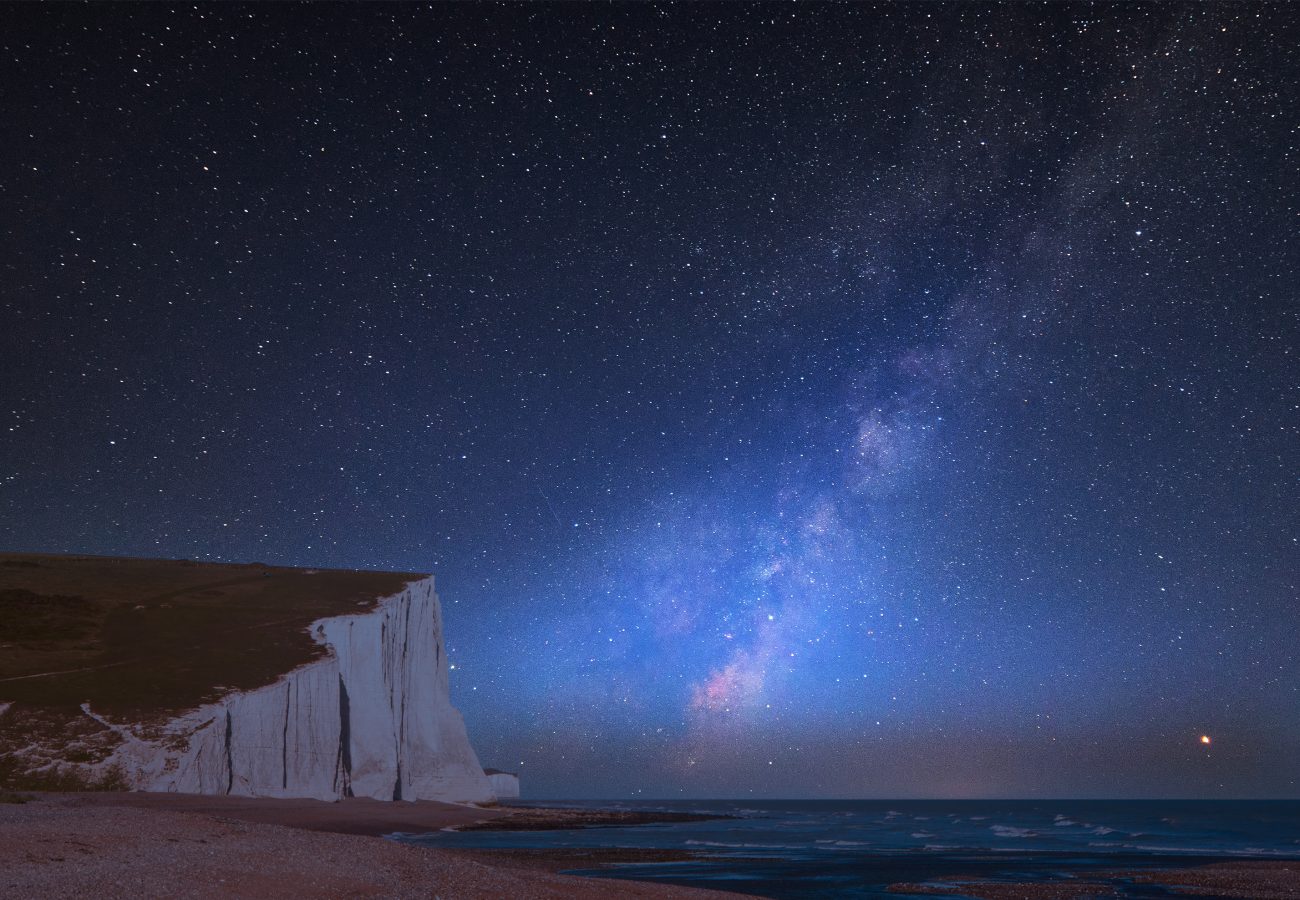
Despite the South Downs being the most populous National Park, with over 115,000 inhabitants, it was granted International Dark Sky Reserve status in 2026. There’s a planetarium and science centre in Winchester but if you’re stargazing on your own, Iping Common is a good spot, being near enough to a road for access but in one of the quieter areas of the park.

Seven Sisters © Matt Gibson

A quick history lesson

You’ll often hear the South Downs referred to as being a “new” or “young” National Park, with a slight sense of condescension, as if it was the upstart sibling of the Lakes or the Peaks. In fact, it was first proposed as a National Park in 1929, featuring on a list of 12 suggested areas which went on to become the first 11 parks. In that initial round of designations in the 50s, the South Downs got a black mark for extensive farming but was recognised for its natural splendour with the creation of two Areas of Outstanding Natural Beauty. In the 90s, the debate resurfaced and a long campaign pushed the South Downs slowly towards full National Park status until it was finally awarded in 2009. The National Trail, on the other hand, had been established in 1972, making it not just the only National Trail to lie completely within a National Park, but also one which predates its park by almost 40 years.

DID YOU KNOW?
The high acidity and porosity of the chalk soil of the South Downs, along with a gentle climate, make it perfect for producing certain types of wine, especially sparkling. This is something the Romans were well aware of and something you can enjoy the literal fruits of on tours at a number of award-winning vineyards.

Planning your visit

The South Downs is possibly the most accessible National Park when it comes to public transport links. You can be in Lewes from London in an hour on the train and if you’re based in Brighton the park is basically your back garden, with Ditchling Beacon only a few hours’ walk from the seafront. To the west, Winchester is the main transport hub.  Once you’re inside the park, a variety of buses can get you to most areas and the South Downs Discovery Ticket, which you can buy when you board your first bus, offers unlimited travel for a day and covers most services. In the west of the park, the South Downs Rambler bus, which runs near the route of the South Downs Way from Winchester to Petersfield, can be great for doing one-way hikes or getting to some of the more rural spots, but it’s seasonal and limited to Sundays on some occasions, so you’ll need to plan around it.
Being so accessible from London and close to Brighton’s beaches is a mixed blessing for the South Downs. It’s great for car-free travel but means the park can get very busy during the summer months. If you have the time, travelling in the off season means spreading the load of tourism on the landscape and infrastructure, while also giving you quieter trails to walk and more peaceful pubs to lounge in when you’re done.

Back to all National Parks


Main image: Seven Sisters © Matt Gibson