“His Road was Rough and Weird”: Sir Gawain, The Peak District, and Medievalism

by Miles McIntosh

“His Road was Rough and Weird”: Sir Gawain, The Peak District, and Medievalism is an article by Miles McIntosh that explores the intersection between medievalism, medieval literature and the Peak District. In his work Miles explores these themes through examining the 15th century poem Sir Gawain and the Green Knight. The poem, and its loss, and eventual rediscovery in the 1830s, and its modern translation in the 20th century by Tolkien, tracks with the development of medievalism: From the romance literature of the middle ages, set in a hyper romanticised world of chivalry, the re adoption of medieval themes by the victorians, to the tolkien-inspired medivalism that still influences us today.


Thank you to National Lottery players

"His Road was Rough and Weird": Sir Gawain, The Peak District, and Medievalism

Explore the intersection between medievalism, medieval literature and the Peak District.

Read the article

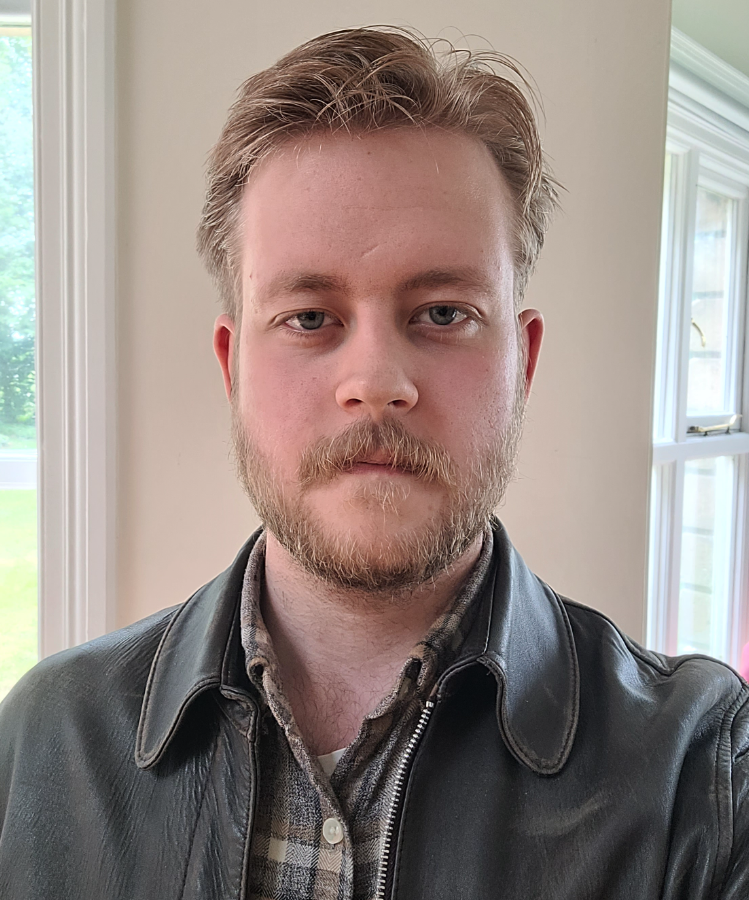
I grew up in North Wales, on the edge of Eryri. I currently live in Belper, Derbyshire, not far from the Peak District National Park where I am a trainee volunteer ranger / archivist. I enjoy photography, specifically using 35mm film and vintage digital cameras. I also enjoy hiking, swimming, and fencing. I am currently studying history at the University of Derby with a focus on cultural history; I am interested in how people have used fiction in order to better understand their own experiences and the world they live in. In this instance, I wanted to explore how fiction, specifically the fourteenth century Poem Sir Gawain and the Green Knight has been used to imbue the landscape of the Peak District with meaning.

What was the inspiration behind your project?

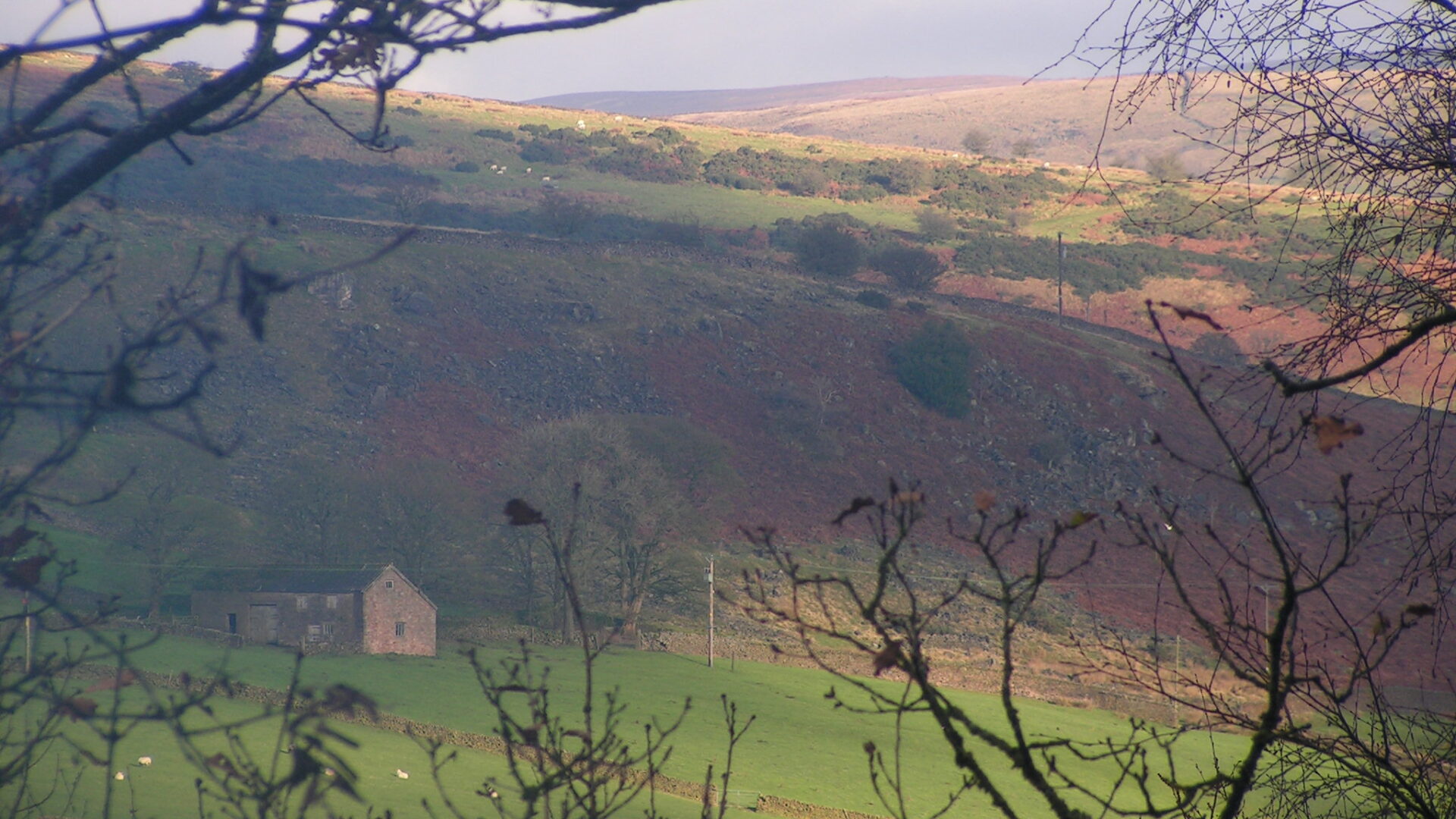
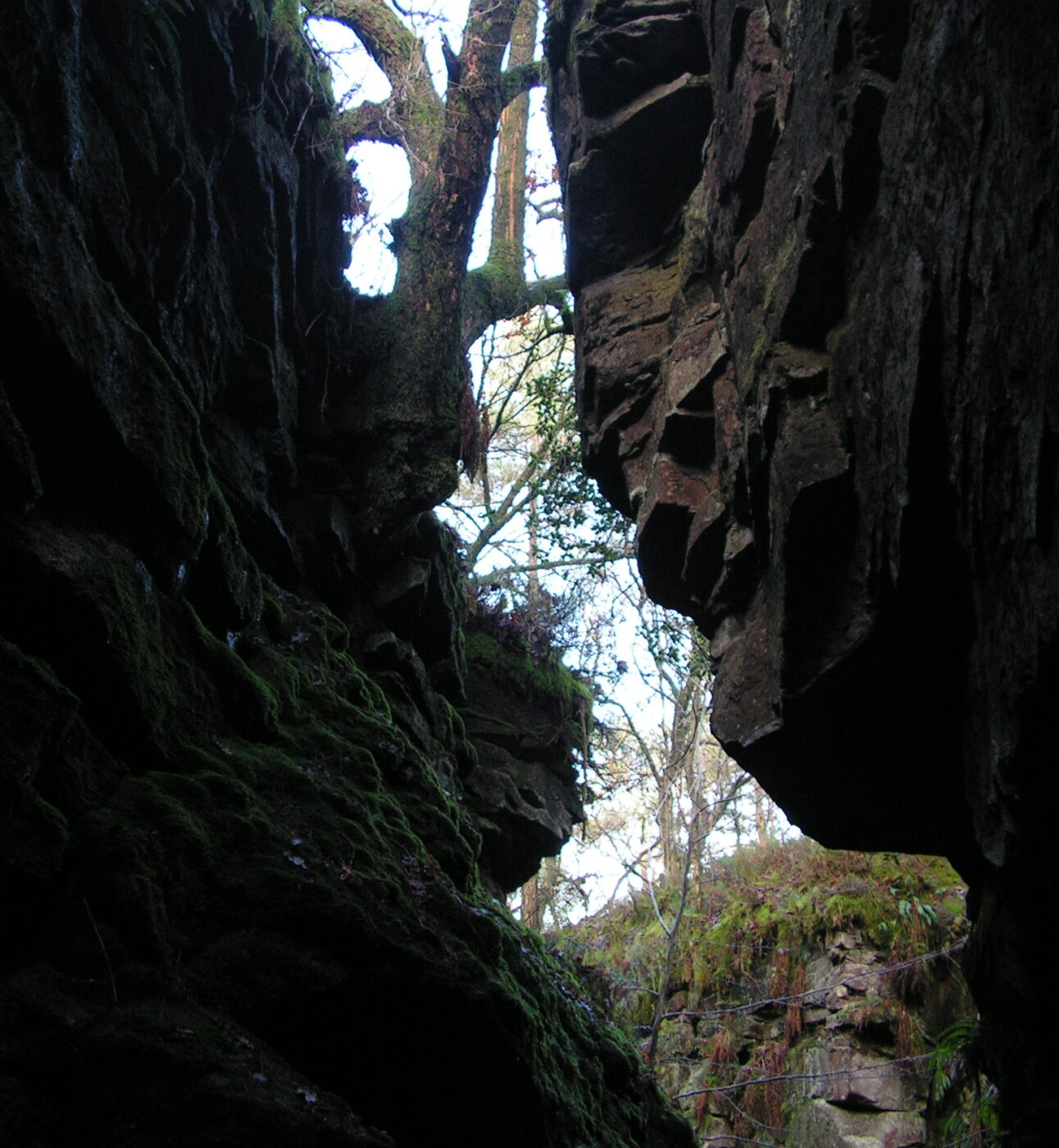
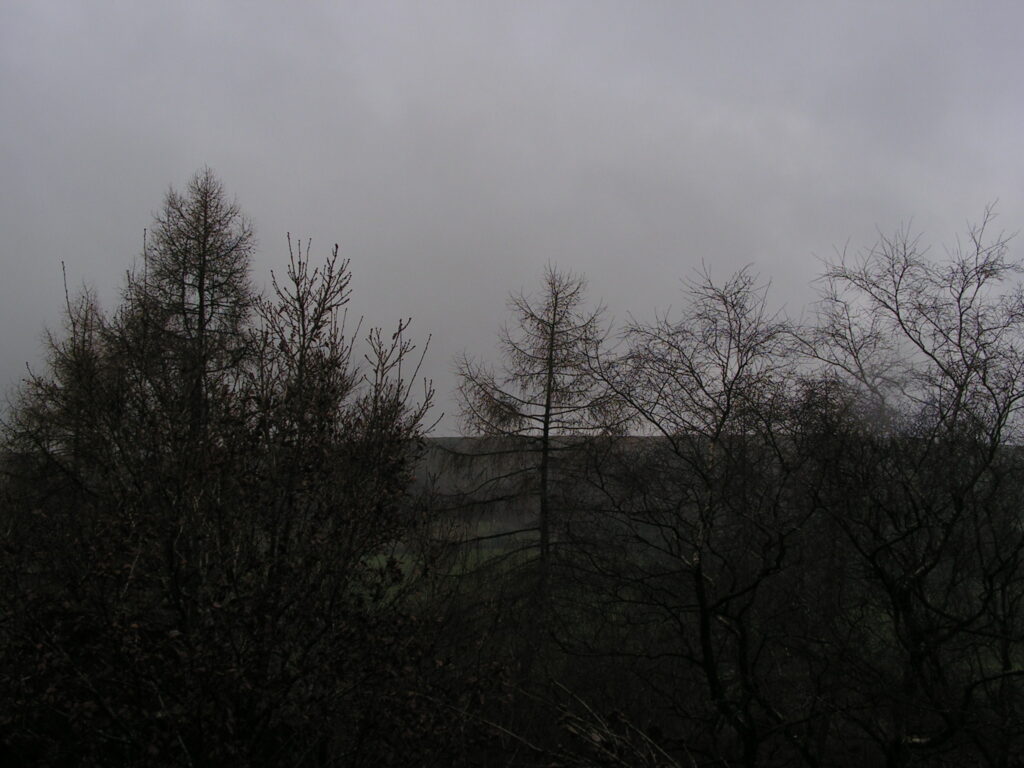
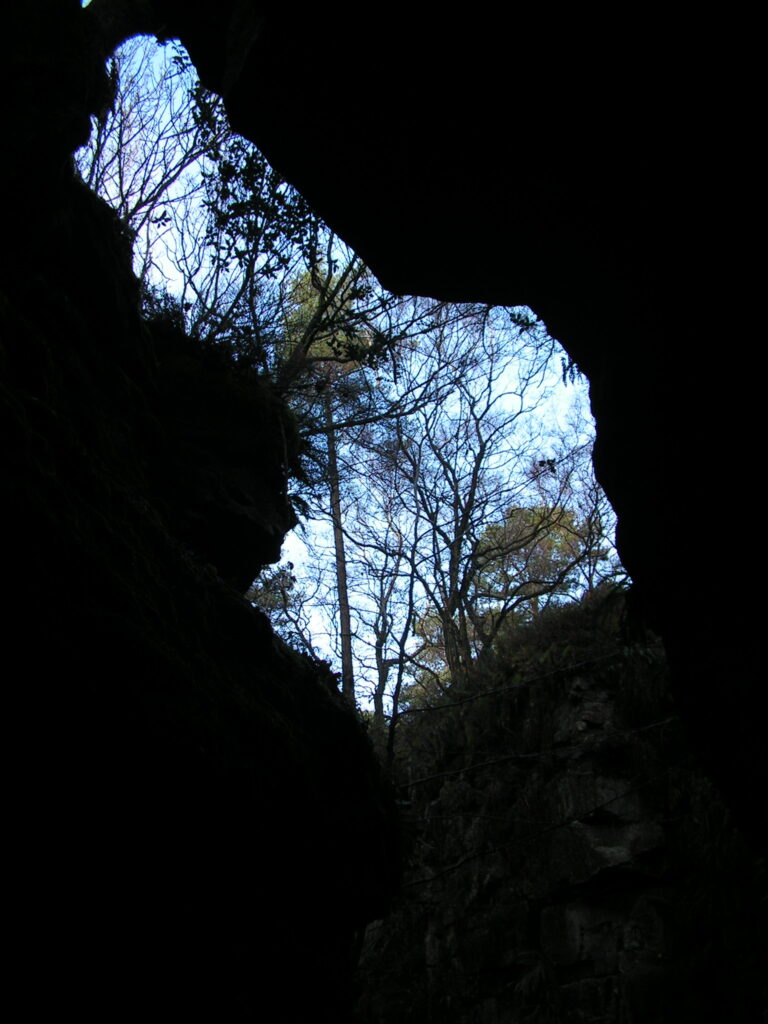
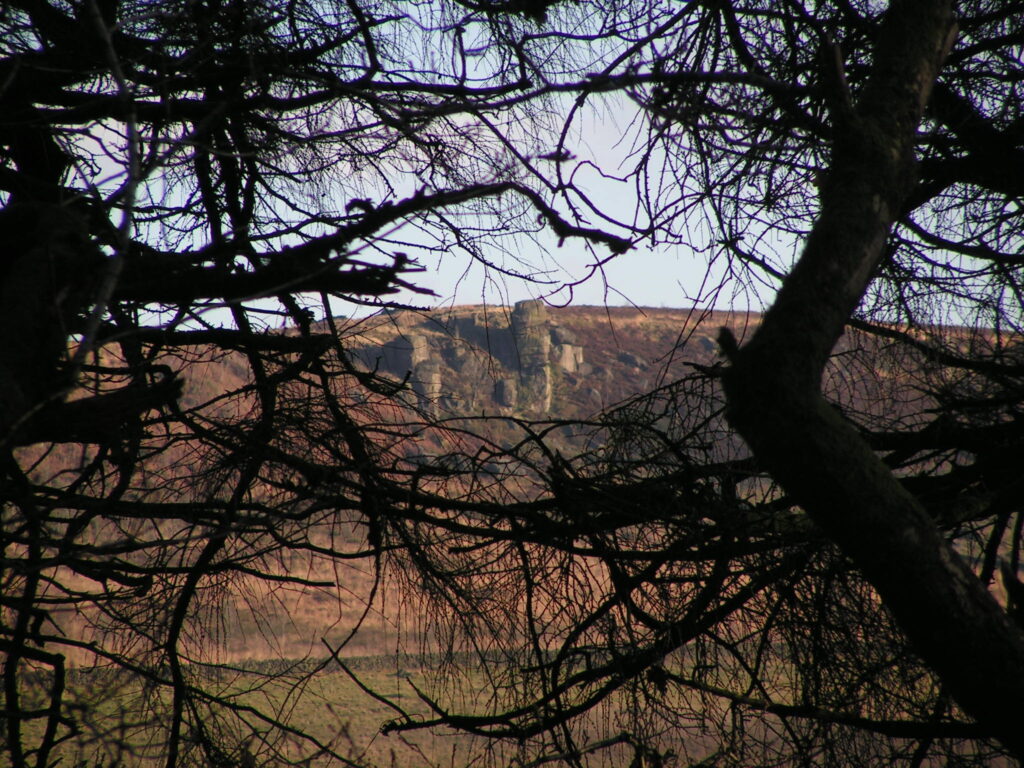
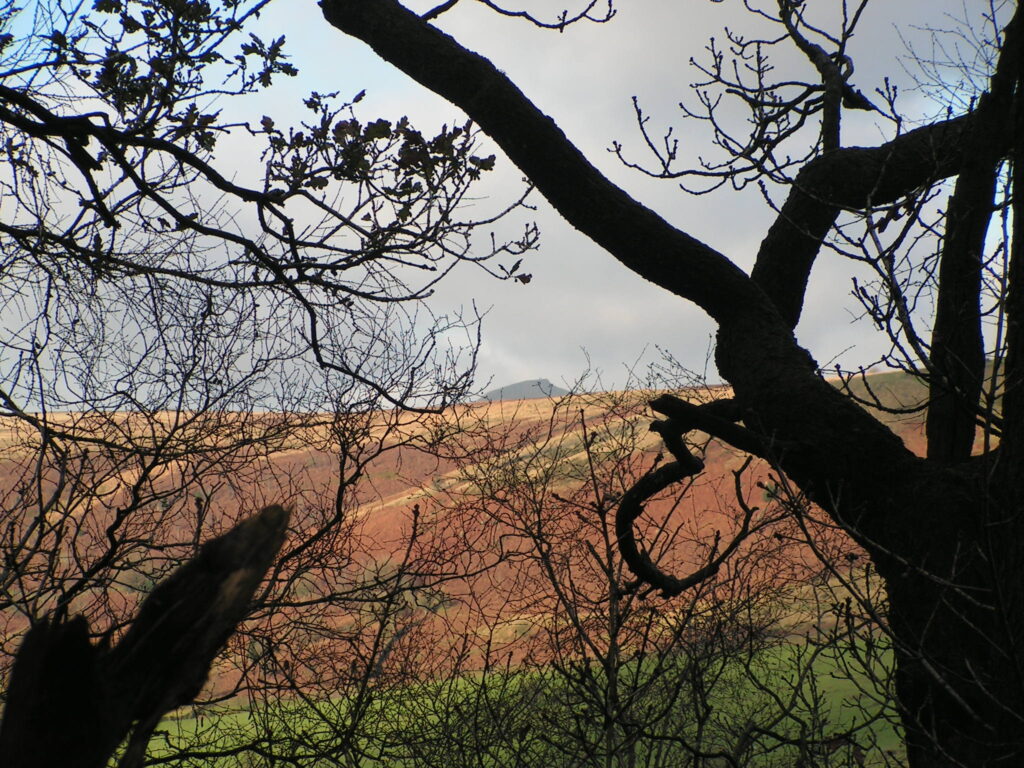
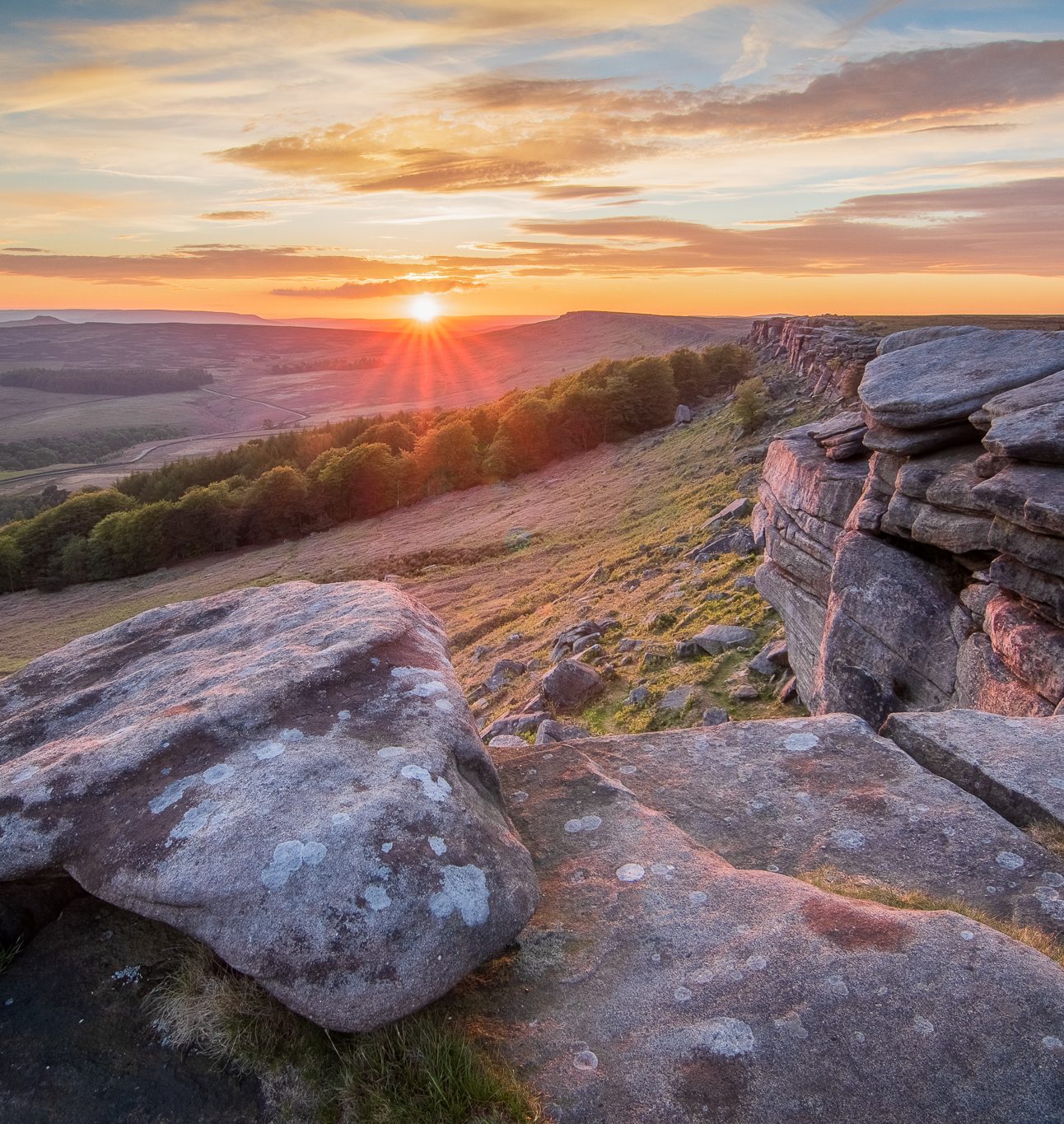
“The poem, Sir Gawain and the Green Knight, is about nature, the character of the green knight is nature personified. The poem was, according to some scholars, written by a native of the Staffordshire high peak, and much of the landscape that the poem describes is recognisable to anyone familiar with the area. The most iconic location, the Green Chapel, was probably inspired by Lud’s Church, a natural chasm in the south west of the present day national park. When the poem was rediscovered and translated, victorian tourists, inspired by medievalism, travelled, for the first time to areas that are now national parks, Eryri, the Lake and Peak districts, as well as parts of Scotland. This project explores one of these places, examining how our perception of Lud’s church and the Peak District in general, were, and are influenced by medievalist ideas.”


What do National Parks mean to you?

“National Parks to me, are human spaces. They are created by, and sustained with, the stories that people tell about them. Particularly, I am interested in medievalism and folklore, how people have used the landscape in order to engage with stories. I am interested in how national parks facilitate these experiences; the fact that people can go to places like Luds Church, and feel as if they are in a mythical space fascinates me, from an academic perspective.

I have experienced this on a personal level. I grew up in Eryri, and have spent most of my life in Derbyshire, about an hours drive away from the Peak District. I was brought up on Tolkien, and Narnia etc, and have always felt as if National Parks are fantasies in their own way, places defined by the creations and stories inspired by them.”

Are you the future of National Parks?

Right now we have a once in a generation opportunity to change how National Parks operate. It’s essential that future generations are part of it.

Will you help us shape the future of National Parks?

Take Action