Dartmoor National Park

Designated on 30 October 1951

Dartmoor is a dramatic landscape, not just because of how the rocky tors strike strange shapes into the skyline, or the wild ponies wander huge swathes of green, but for the human stories it has seen over the millennia. Its earliest inhabitants left traces which made it a site of international archeological importance, a “red tide” of cattle once swept across it, tin mining carved its hills and every village and crossroads seems to have a tale to tell, from encounters with the devil to mysterious graves, dark beasts and ghostly Roman legions.

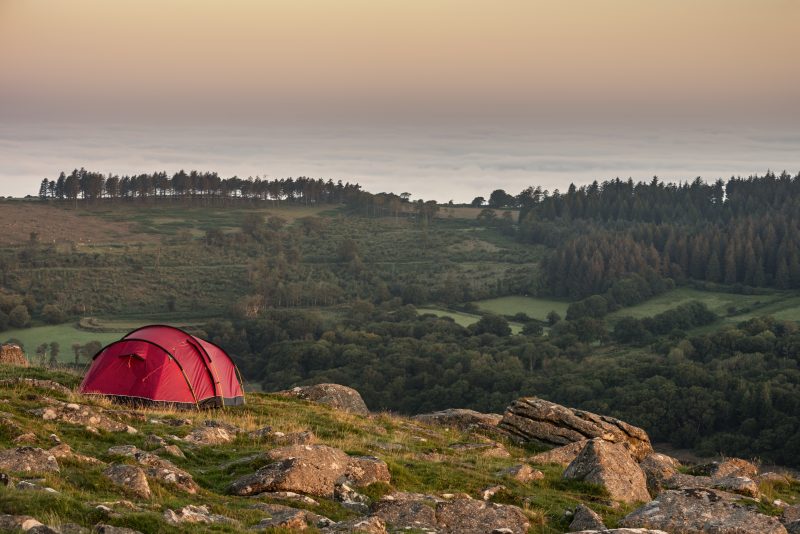
More recently, Dartmoor has been the site of a great public success story, when the right to wild camp there was preserved by public protest against the decision to remove it. Even if you don’t spend a night sleeping rough under the stars, it’s a place to come and reconnect not just with nature, but mankind’s wilder side as well. In this guide, we pick out some of our favourite spots for learning the lore, walking the land and experiencing Dartmoor in all its eldritch glory.

Walking

PREWLEY MOOR AND THE ICEWORKS (NORTH)

Start/endpoints: Roadside off A386

PREWLEY MOOR AND THE ICEWORKS (NORTH)

Start/endpoints: Roadside off A386

Distance: 3 mi, elevation: 650 ft, difficulty rating: 2/5

Start/endpoints: Roadside off A386

In the 1870s, an enterprising man named James Henderson had an ingenious idea. He would dig pools in the heights of Dartmoor, fill them with water, let them freeze over winter, extract the ice and ship it to Plymouth where it would sell for a substantial sum. A few surprisingly mild winters later, he was out of business, but the remains of the somewhat ironically named iceworks can still be seen. You can also take in Sourton Tors for a classic Dartmoor boulder-strewn peak, and try to locate the curved stone of an old applecrusher, testament to another long-folded cottage industry.

STATION TO STATION (WILD CAMPING) (NORTH/SOUTH)

Start/endpoints: Okehampton and Ivybridge

STATION TO STATION (WILD CAMPING) (NORTH/SOUTH)

Start/endpoints: Okehampton and Ivybridge

Distance: 35mi approx, elevation: varied, difficulty rating: 5/5

Start/endpoints: Okehampton and Ivybridge

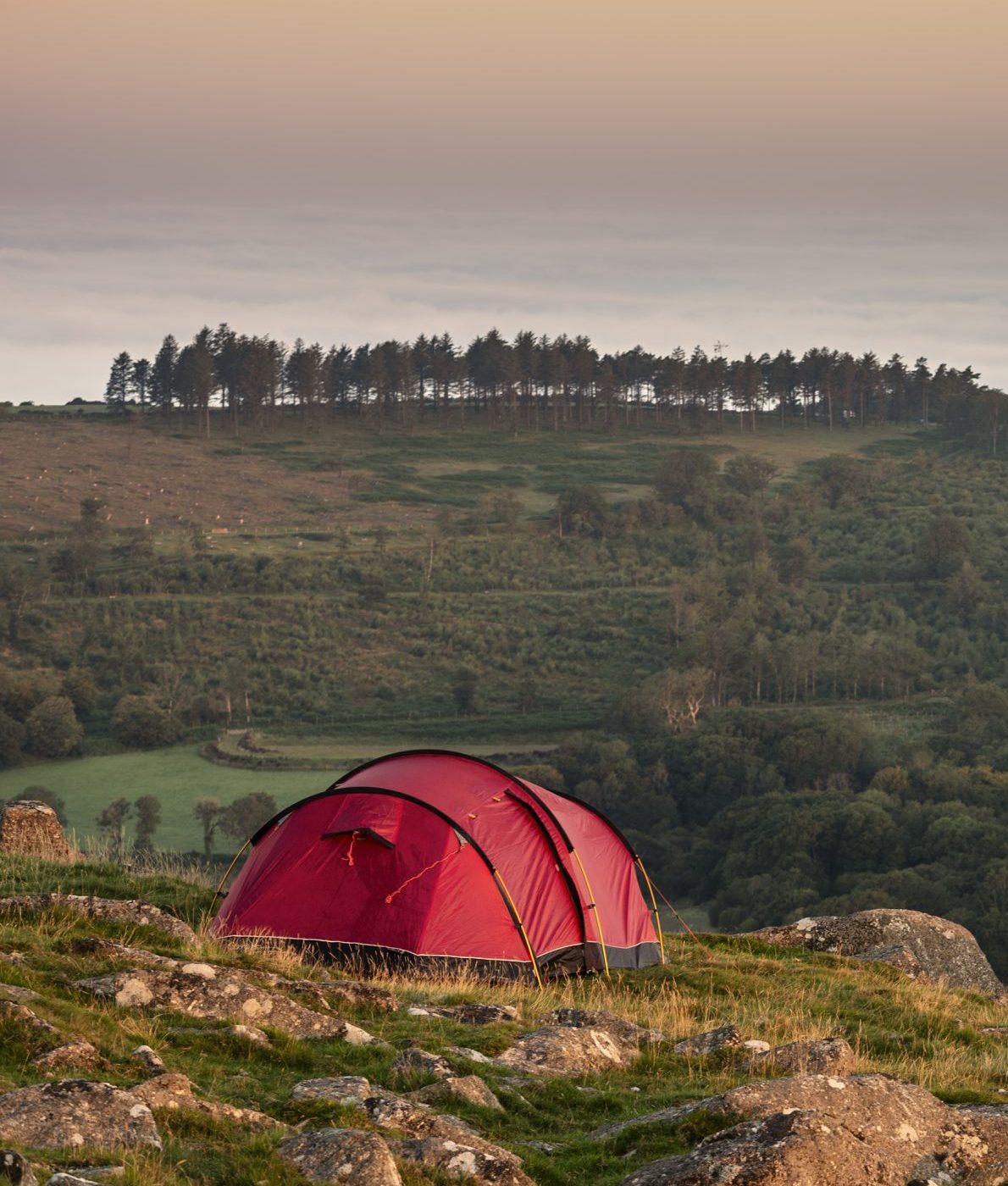
The fact that Dartmoor is the single bastion of wild camping in England is something it’s worth taking advantage of. While you could simply come out of Okehampton station, walk to Okehampton Common in a couple of hours and settle in for the night, consider the challenge of making a crossing of the park. Starting from either Okehampton or Ivybridge, two full (summer!) days of hiking with a central stop (popular spot Cranmere Pool is roughly in the middle) will carry you to the other town and, with both having mainline stations, you won’t have to do much more walking once you’re there. Bear in mind that this is a serious distance, requiring strong navigation skills, a good weather eye and careful supply planning. For a night lying in the grass under clear Dartmoor skies though, it’s worth it.

WISTMAN’S WOOD (CENTRAL)

Start/endpoints: opposite Two Bridges Hotel

WISTMAN’S WOOD (CENTRAL)

Start/endpoints: opposite Two Bridges Hotel

Distance: 3 or 5mi, elevation: negligible, difficulty rating: 2/5

Start/endpoints: opposite Two Bridges Hotel

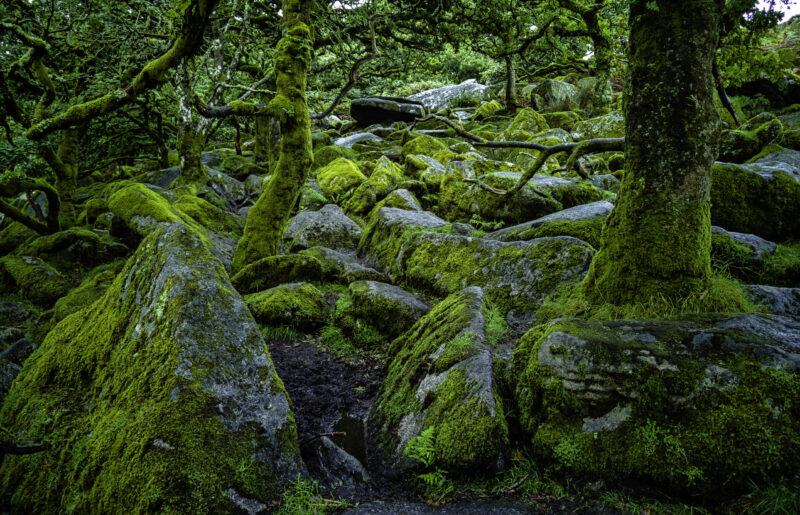
This is a pleasant ramble to a place of immense ecological significance – one of the last remaining patches of temperate rainforest in the UK. It’s an ethereal sight, with ancient, gnarled trees covered in thick carpets of mosses and lichens. In fact, the name itself derives from the old word wisht meaning eerie or eldritch. Occasional rough footing is the only issue on the flat, easy trail, but if you want more of a challenge, as well as a striking contrast of scenery, add the nearby Littaford Tors (and a couple of miles) to your route. Don’t worry about coming back tired though, as you’re conveniently close to a rather nice hotel bar and garden when you finish.

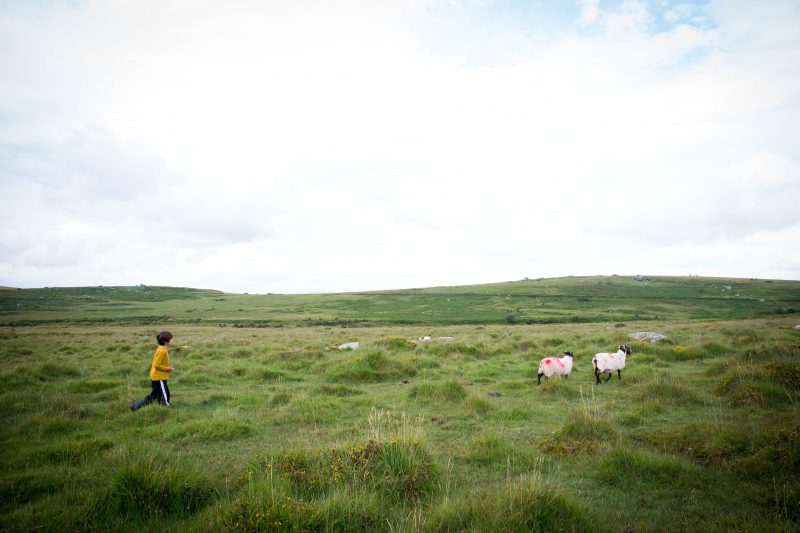
Child and sheep in a field in Dartmoor

DR BLACKALL’S DRIVE (CENTRAL)

Start/endpoints: Bell Tor car park

Child and sheep in a field in Dartmoor

DR BLACKALL’S DRIVE (CENTRAL)

Start/endpoints: Bell Tor car park

Distance: 3mi, elevation: 650ft, difficulty rating: 3 /5

Start/endpoints: Bell Tor car park

There’s some dispute as to whether the eponymous track was created by a Thomas or a Joseph Blackall, but there’s no debating that it was a great place to make a scenic path for a carriage (or a hiker) to trundle along. The views of the Dart Valley below are lovely and you can also tie in a visit to Higher Uppacott, the longhouse that was painstakingly restored by the team of the Moor than Meets the Eye project over a few years in the late 2010s.

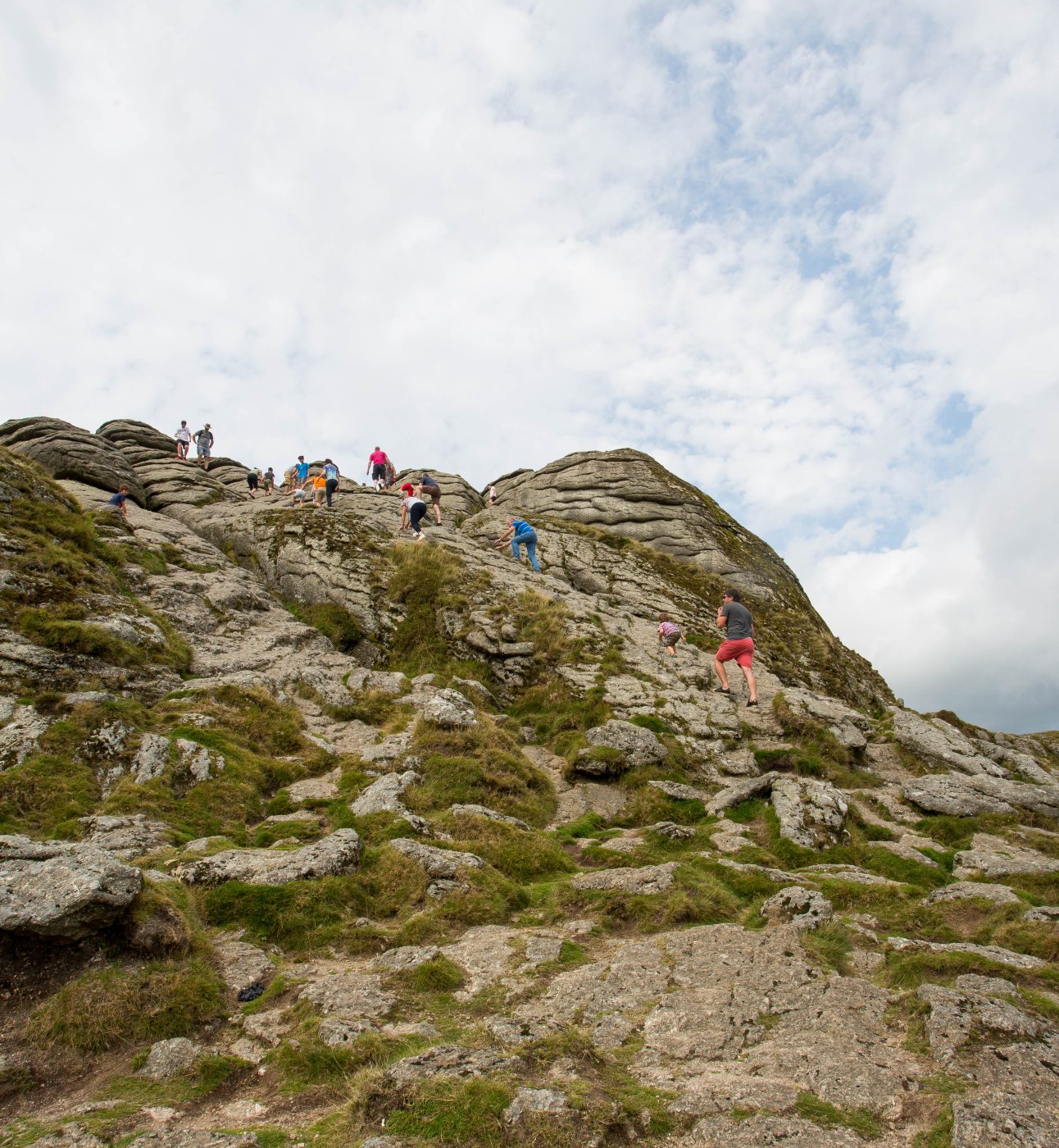
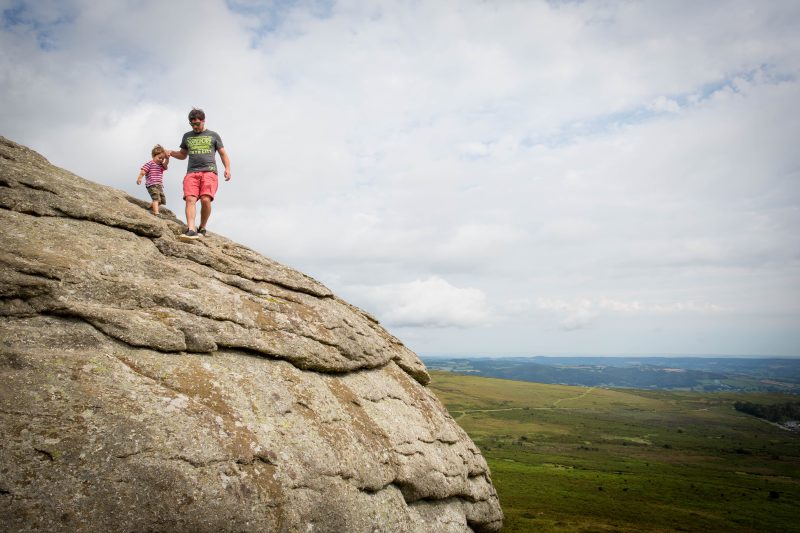
Haytor Rock Dartmoor

CADOVER BRIDGE & SHAUGH BRIDGE (SOUTH)

Start/endpoints: Cadover Bridge car park

Haytor Rock Dartmoor

CADOVER BRIDGE & SHAUGH BRIDGE (SOUTH)

Start/endpoints: Cadover Bridge car park

Distance: 4mi, elevation: 730ft, difficulty rating 3/5

Start/endpoints: Cadover Bridge car park

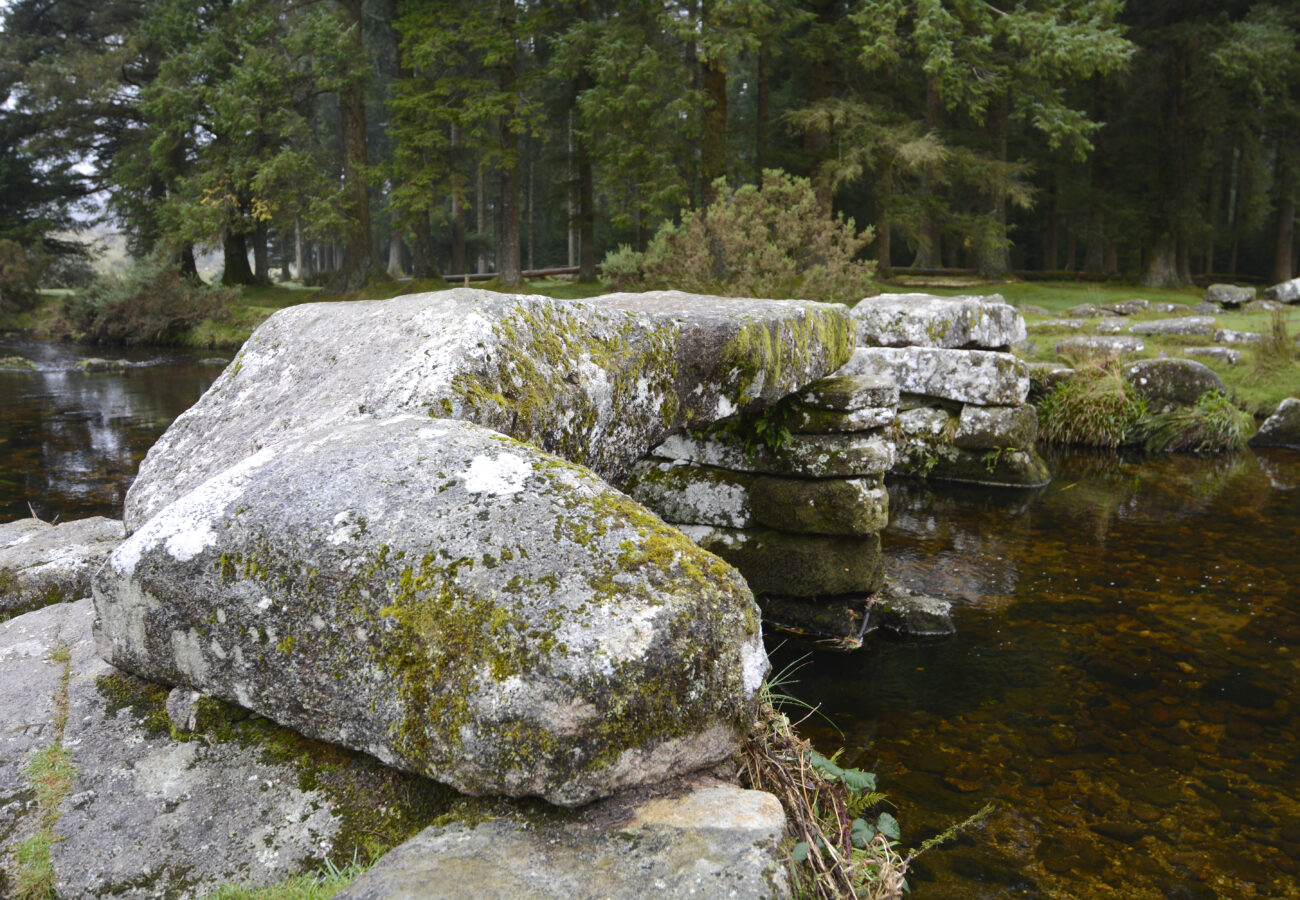
Some uneven footing and steep climbs make this walk more challenging than the distance would suggest, but the old stone bridges, rocky tors, oak woodland and views over sweeps of moorland give you a little of everything Dartmoor has to offer. The literal standout feature is Dewerstone rock, a lumpen granite crag that juts out from the trees, visible looming above you as you walk. It’s yet another spot in Dartmoor that is wrapped in shrouds of legend, with the ragged cliff once having been considered a haunt of the devil himself.

OTHER THINGS TO DO

This charming museum at the heart of Okehampton packs plenty into its small site, covering everything from the moor’s neolithic inhabitants to the more modern lives and livelihoods that have left their mark on the landscape over the centuries. Discover old bronze bells, steam-powered fire engines, unreassuring wicker miner’s helmets and a perfectly reconstructed wooden outhouse, although more modern facilities are available in the cafe. 
While it might sound like something from a strange world like Westeros, Middle Earth or even Cornwall, Castle Drogo has a civilised and surprisingly short history. It was built in the early 1900s by Julius Drew, a merchant who had made a fortune in the tea trade. Craving status, he and his brother worked with a genealogist to “discover” a pedigree he saw as more befitting to his wealth. They made two connections – one to the distinguished Drewe family and another to a Norman baron, Drogo. In honour of the first it was felt sufficient to add an extra E to the family name. In honour of the second, Drew commissioned Sir Edward Lutyens to build the monumental home. Construction of an ambitious flat-roofed, solid granite design began in 1911, lasted 15 years and cost immense sums of money. Drewe did move in, but even after such vast expenditure, the roof leaked and he continued to spend his winters at his home in Torquay until he died in 1931.
HMP Dartmoor welcomed its first prisoners in 1809 and has had a remarkable array of detainees within its walls over the years. The museum charts their history, from French and American prisoners of war to the controversial incarceration of Eamonn de Valera, the first Prime Minister of the Republic of Ireland. It’s a fascinating look through the institution’s past, which is frank enough to include some of its most notable failures, such as the time ‘Rubber Bones’ Webb wriggled to freedom through the air ducts (just in case you thought that was only a movie trope) and when ‘Foxy’ Fowler escaped through the toilet windows, which had recently been fitted with the curious omission of any bars.
This unassuming mound about a mile north of Hound Tor is part legend, part history lesson and part quaint local custom. It is said to be the last resting place of a young woman who took her own life some time in the 18th century and was thus denied burial in consecrated ground. Superstitious villagers are supposed to have buried her at a crossroads so that her spirit, stuck between worlds, would not be able to find its way back and haunt them. Whatever the truth of the story is, the grave has now taken on a new legend, as fresh flowers are always found laid on it, with nobody admitting to putting them there. Some say it’s Kitty herself.
There are plenty of places along Dartmoor’s twisting waterways where you’d be tempted to plunge into the water, but Sharrah Pool is far more than a deepish spot in a river. First of all, it’s massive, and not just for a wild swimming spot. It’s probably as big as the pool at your local leisure centre. Secondly, it’s beautiful, with trees lining the banks and large flat rocks just made for basking in the summer sun. It’s remote enough (a couple of miles from the New Bridge car park) to be fairly quiet most of the time, help you work up a sweat on the way there and feel like a magical discovery when you arrive.
Settled on the banks of the Dart, this is a sauna with style, scenery and a very cold plunge pool right outside. With 50-minute sessions bookable via the website, you can combine your steaming, dipping and wow-that’s-freezing gasping session with a walk along the river to Lucky Tor or a pool-hopping day of all the swimming spots at Dartmeet, after which the cold river plunge will be simplicity itself. After an hour in the sanctuary of the cabin and the trees, you’ll never want to see a tiled gym sauna again. 
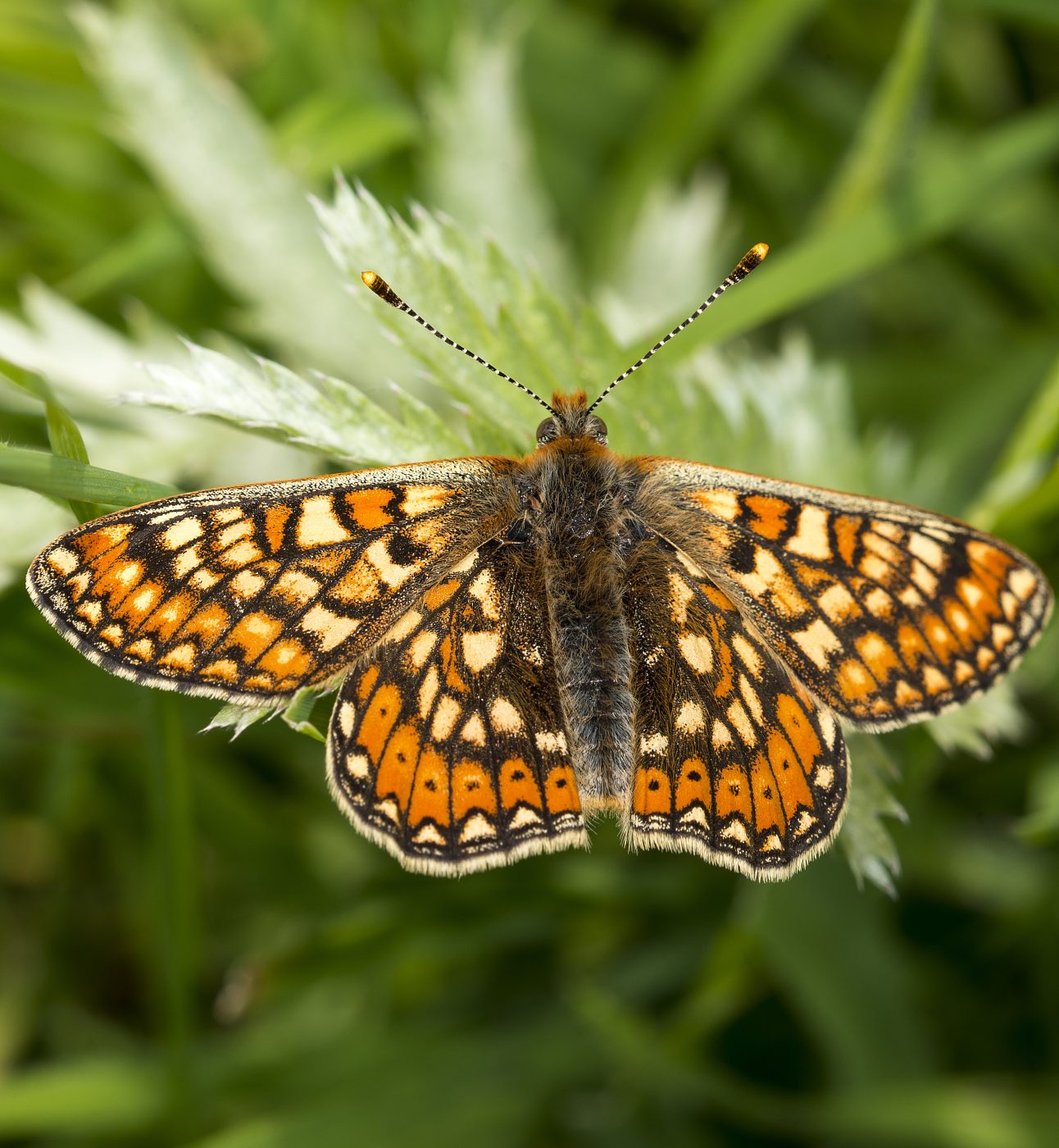
Some of Dartmoor’s wildlife is very easy to spot indeed. The famous ponies that graze its hillsides will happily stand and watch you pass by, while birds of prey circling in its skies are a common sight. Others are less likely to leap out at you, but while you’re walking, keep your eyes peeled for the quintet of species that have been jovially nicknamed The Little Five. They are the Blue ground beetle, Cuckoo, Marsh Fritillary, Otter and Ash-Black slug. While it’s not quite a safari, the real joy of searching for the five is that it guarantees you’ll spend some time in each of Dartmoor’s habitats, from the meadows of the butterflies to the otter’s river and the slug’s woodland home.

DID YOU KNOW? Not-so-merry vale
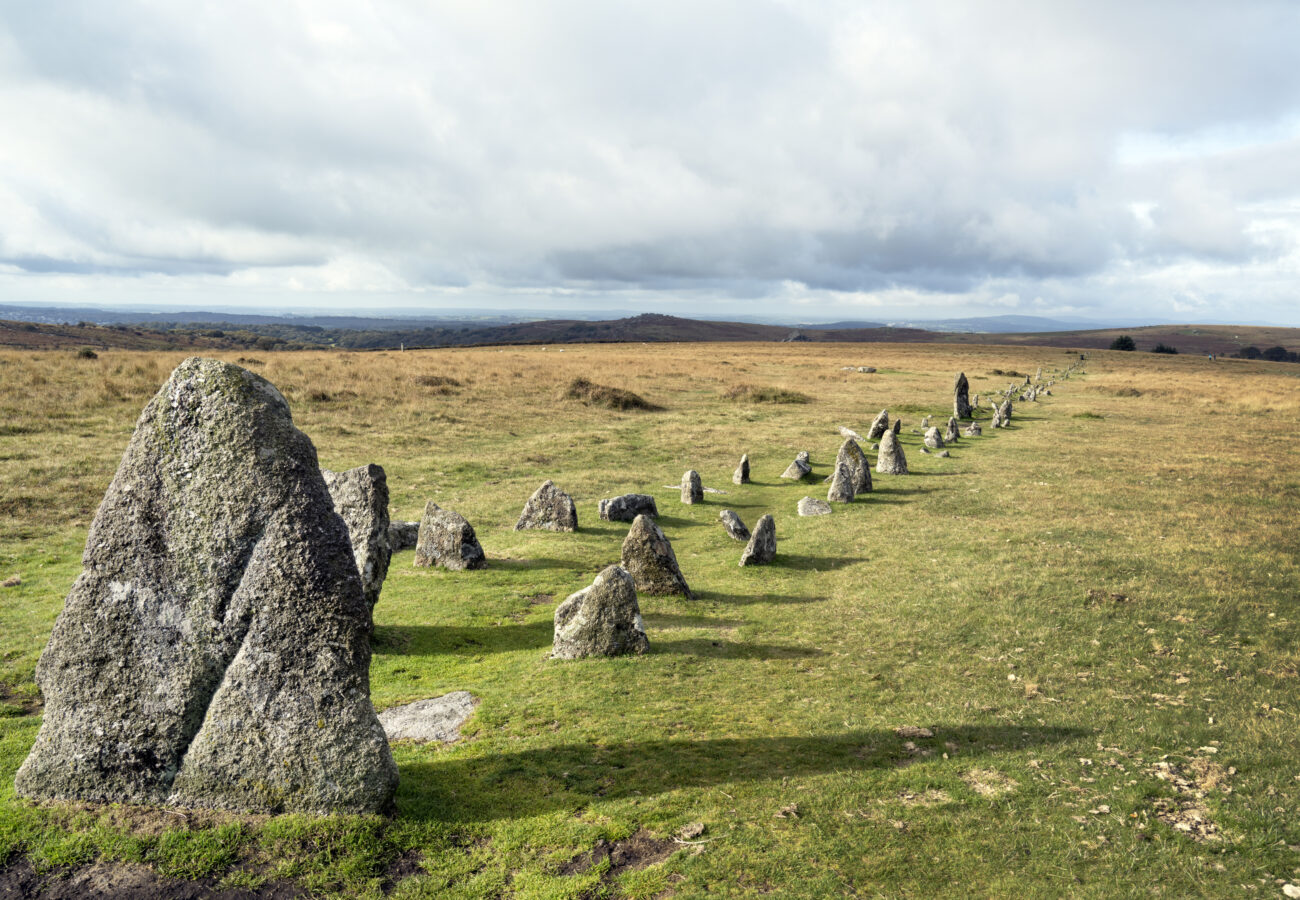
The original ancient purpose of the Merrivale stone rows, two long neat lines of monoliths near the village of the same name, will never be known, but we DO know why it’s colloquially called The Plague Market. In 1625, during an outbreak of bubonic plague, sufferers were banished to the site. Locals would leave food on the stones and retreat to a safe distance. The sick would take it and leave money in its place, in an attempt to minimise contact and stop the disease from spreading.

Play video

DID YOU KNOW? Powerful peat

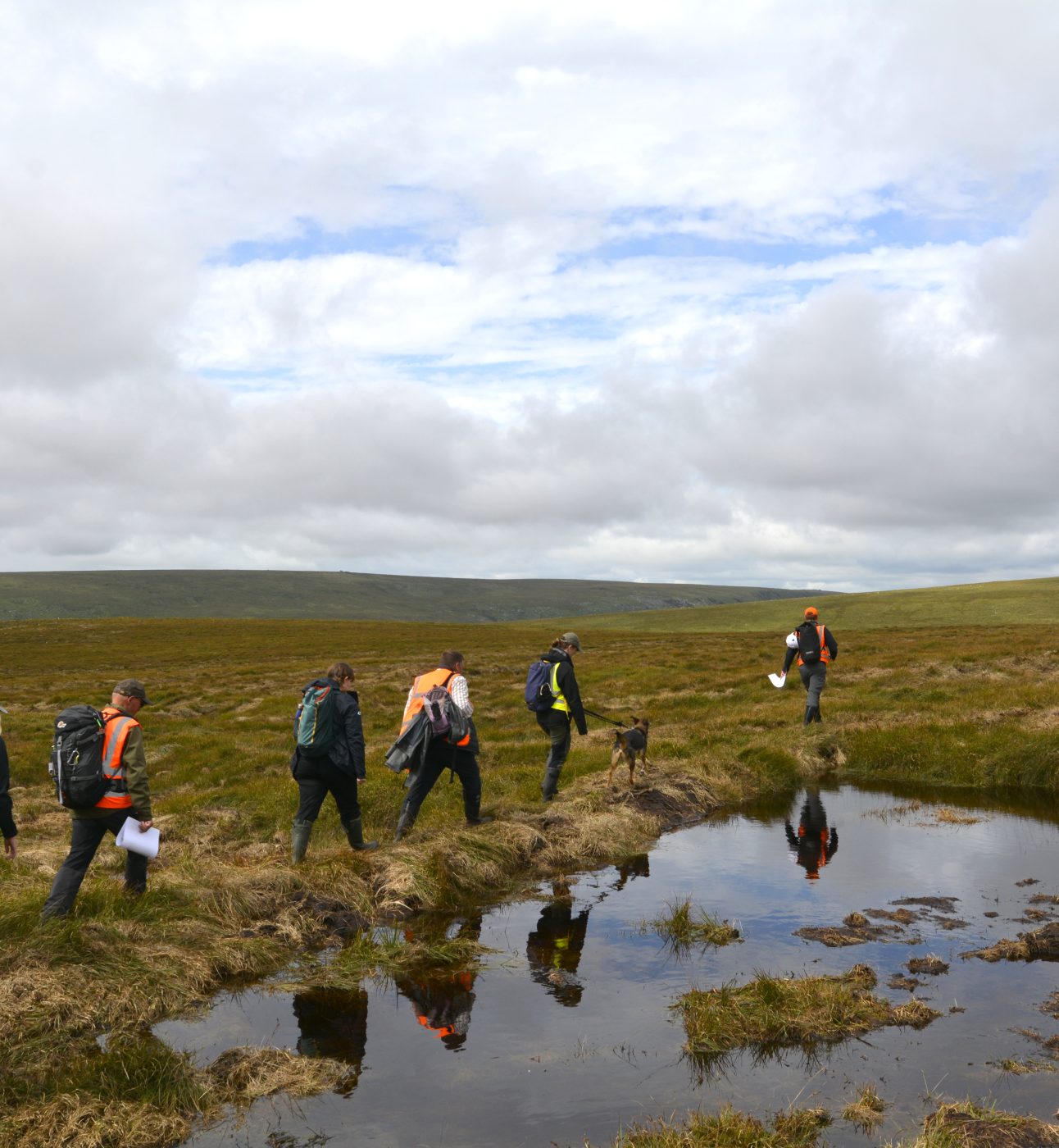
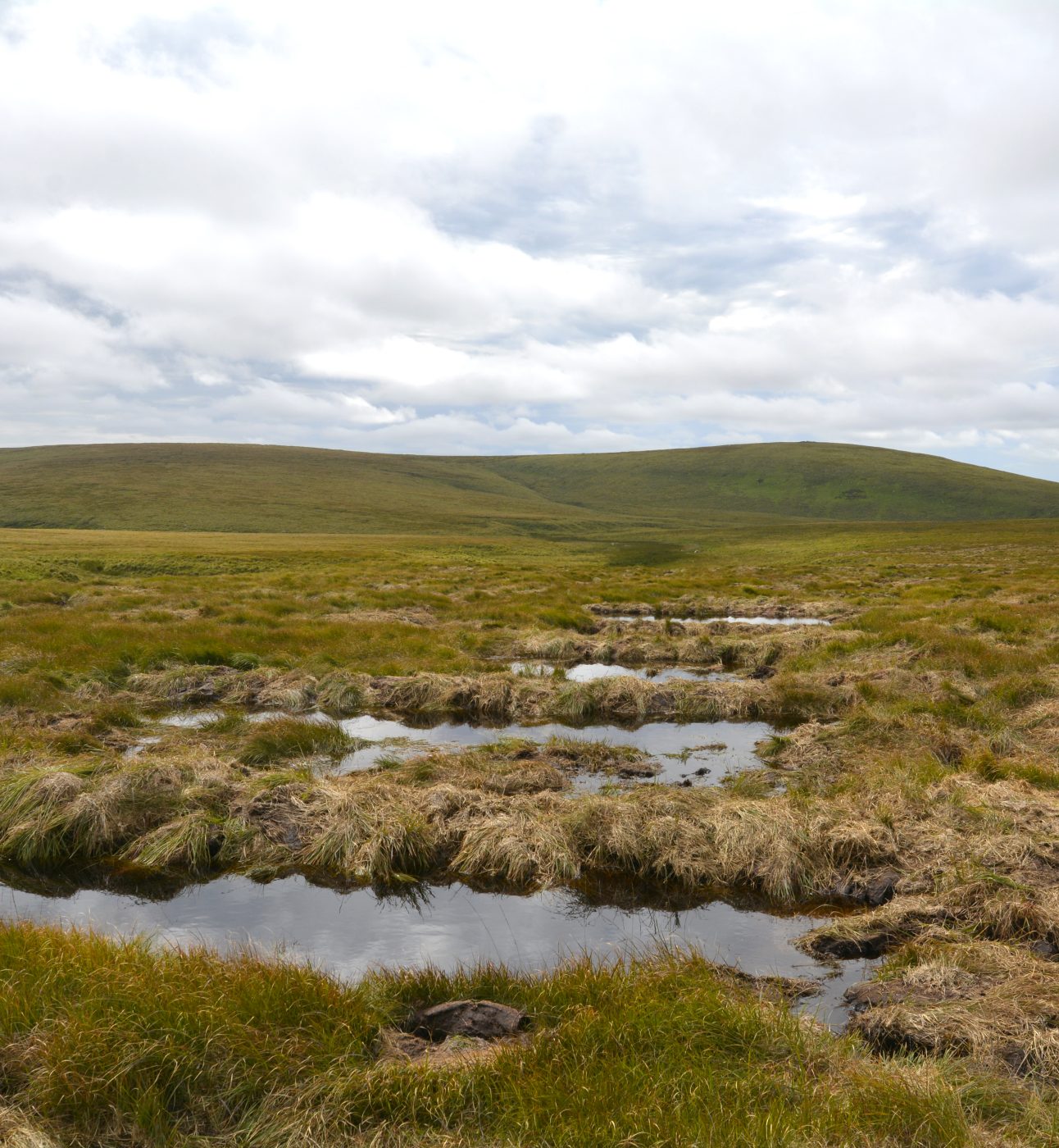
Peatland might not be Dartmoor’s most striking sight, but they are one of its most important ecological habitats. Watch our video about the extensive peat restoration project which has seen wildlife and the land itself flourish.

A QUICK HISTORY LESSON

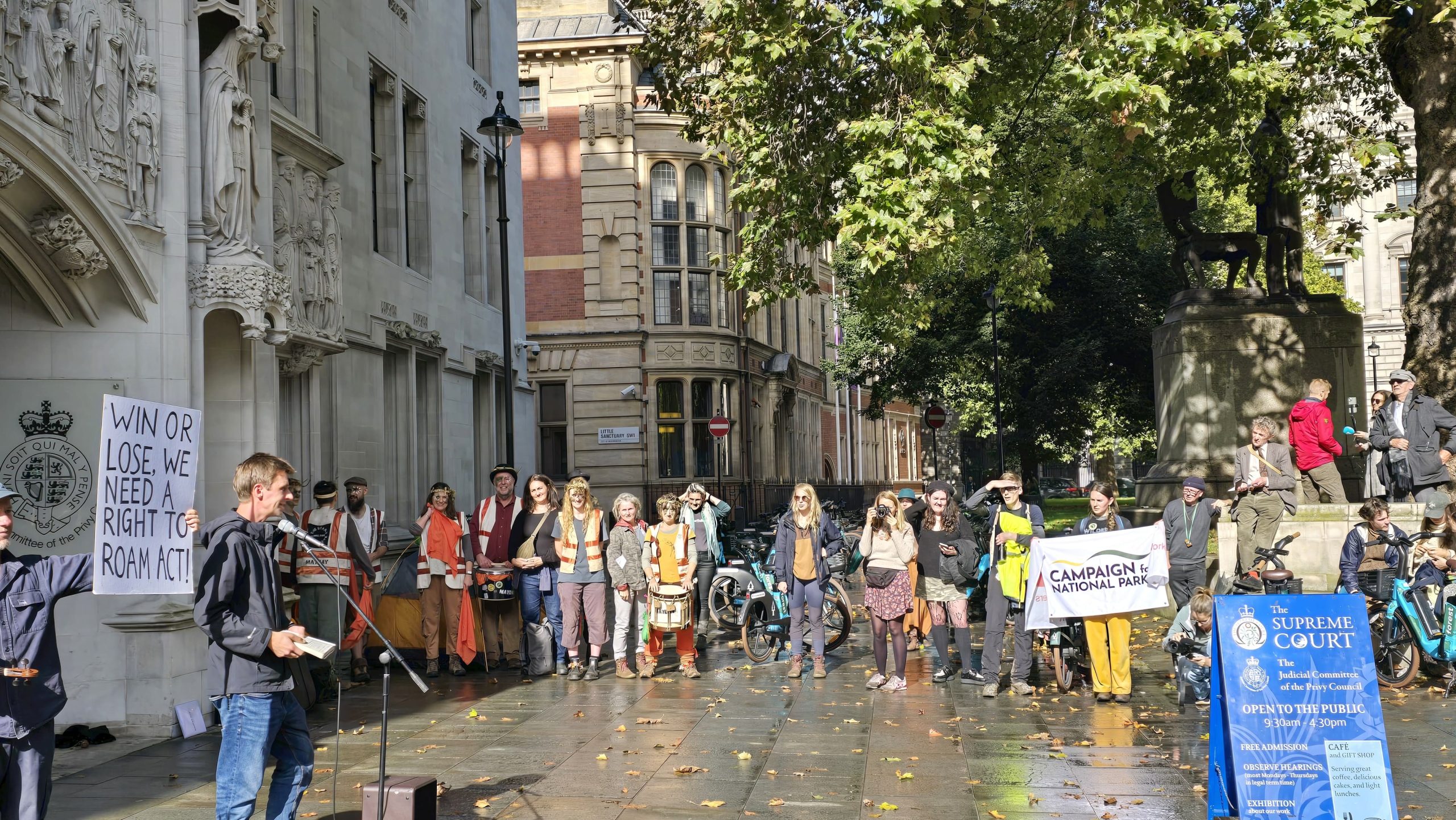
Dartmoor was the fourth area awarded National Park status in 1951, after the Peak District, Lake District and Eryri (then Snowdonia). It missed out being third by only twelve days! While the Peaks take all the headlines for the establishment of the National Park system overall, Dartmoor has been the centre of its own significant movement. More than half the park is privately owned land and there has always been a drive by the few to restrict the rights of the many. In January 2023, wild camping on Dartmoor, one of its most cherished features, was deemed illegal thanks to a case brought by landowner Alexander Darwall. Fortunately, he hadn’t reckoned on the passionate groundswell of locals and lovers of the land. The decision was overturned in July of the same year and a challenge to that reversal, again brought by Darwall, was denied in May 2025. So, wild camping on Dartmoor isn’t simply a lovely thing to do, it’s a way of celebrating the power of the public to bring about change.


October Wild Camping Protest London

Wild Camping Protest in London outside the Supreme Court

DID YOU KNOW? Gold for Bronze
When it comes to Bronze Age archeology, Dartmoor takes the gold medal. It’s one of the most important sites in western Europe, with the Stallmore stone row possibly the oldest of its kind in the world.

PLANNING YOUR VISIT

The two main entry points by public transport are Okehampton in the north and Ivybridge in the south, both of which have direct rail connections from Bristol. A couple of bus services (171,172 &118) run routes which mainly traverse the park east to west, but transport to most areas is hard to come by, which means you’re well rewarded with a bit of peace and quiet for any trips into the deep interior!
Dartmoor has three military training areas, which are best avoided unless you want your hiking with more peril than the chance a pony will glare at you. There are three training ranges on the north moor (Okehampton, Merrivale and Willsworthy) where live firing takes place, and three on the south moor (Cramber Tor, Ringmoor and Sheeps Tor) which are “dry” meaning no live ammunition. The areas are clearly marked and are open to the public, except when live firing is taking place. At these times you’ll see red flags or red lamps at the entry points. If you’re in any doubt, check the firing times here.
Now that you’re not in danger of exploding, it’s time to talk about more traditional preparations. Dartmoor isn’t mountainous but the weather is changeable and it’s easier than you might think to get lost in the folds of the moors. In summer, with little shade available, long hikes bring a real danger of heatstroke, so plan accordingly and go prepared with supplies and decent navigation tools.

Back to all National Parks


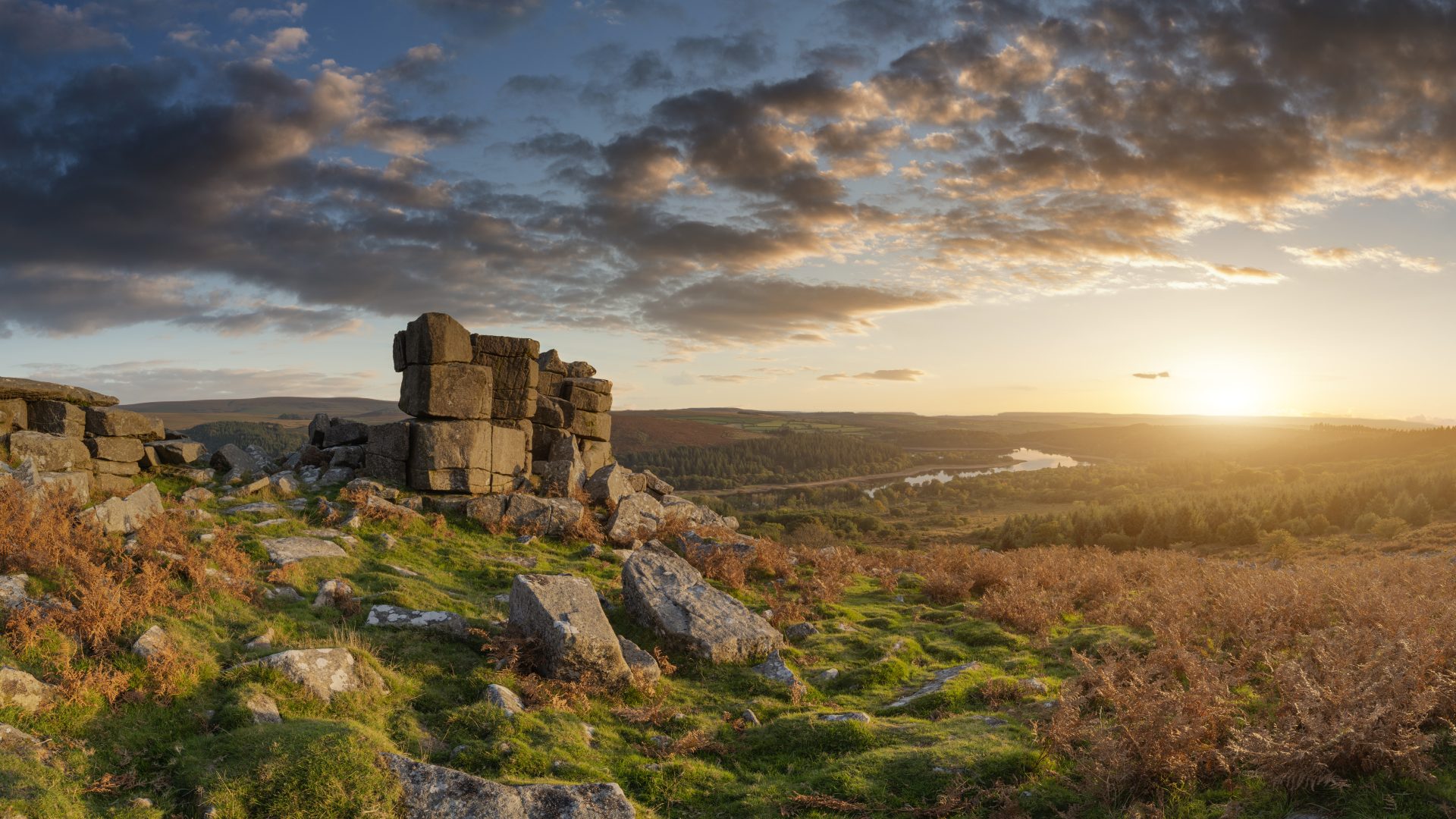
Main image: Leather Tor © Matt Gibson